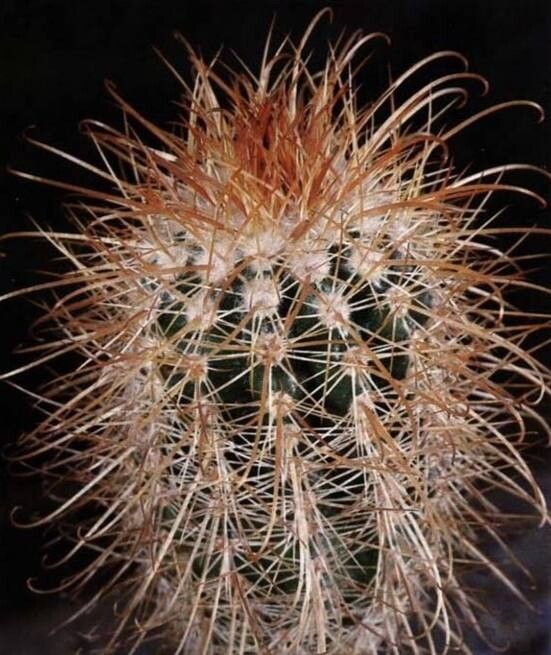
Oh, Parodia ritteri! What a delightful little cactus to have in your collection. Its fuzzy white spines are like a miniature snowy landscape, and those vibrant orange flowers? Simply breathtaking. If you’ve ever admired one and thought, “I wish I had more of those!”, then you’re in luck! Propagating this beauty is incredibly rewarding, and while it might seem a little daunting at first, I’ve found it to be quite manageable, even for those just dipping their toes into cactus propagation.
The Best Time to Start
For Parodia ritteri, just like most succulents and cacti, the active growing season is your golden ticket to success. Think late spring through summer. This is when the plant is at its most vigorous, ready to put out new growth and, importantly, develop roots. Waiting until the plant is actively growing means it has the energy reserves to heal from any cuts and focus on healing and growing.
Supplies You’ll Need
Before we get our hands dirty, let’s gather our tools. It’s always best to be prepared!
- Sharp, sterile pruning shears or a clean knife: For making clean cuts. Sterilize with rubbing alcohol.
- Cactus/Succulent potting mix: A well-draining blend is absolutely crucial! You can buy a commercial mix or make your own with coarse sand, perlite, and a bit of peat moss.
- Rooting hormone (optional but recommended): This can give your cuttings a helpful boost. Look for a powdered or liquid type.
- Small pots or trays: Clean and with drainage holes.
- Gravel or perlite (for drainage layer): To ensure water doesn’t sit at the bottom.
- Gloves: Those fuzzy spines can be surprisingly pokey!
- Spray bottle: For gentle watering.
- Labels (optional): So you don’t forget what you’ve planted!
Propagation Methods
Parodia ritteri typically propagates best through offsets (those little baby plants that sprout from the base) or stem cuttings if you have a larger specimen.
Method 1: Harvesting Offsets
This is often the easiest and most successful method for Parodia ritteri.
- Gently examine your mature plant. Look for baby cacti (offsets) growing around the base of the main plant. They’ll usually be smaller versions, often with their own little spiny tufts.
- Carefully detach the offset. Using your sterile knife or pruning shears, make a clean cut as close to the mother plant as possible. Try to get a little bit of the parent plant’s base with the offset if you can, as this can help with rooting.
- Allow the offset to callus. This is a very important step! Place the offset in a dry, well-ventilated spot away from direct sunlight for 2-5 days, or even longer. You’ll see the cut end dry and form a protective scab (callus). This prevents rot when you plant it.
- Pot it up. Fill your clean pots with your well-draining cactus mix. You can add a layer of gravel or perlite at the bottom for extra drainage.
- Plant the offset. Make a small indentation in the soil and gently place the callused end of the offset into it. You don’t need to bury it deeply; just enough so it stands upright.
- WAIT to water. Do not water immediately after planting. Wait at least a week, sometimes longer, especially if the weather is cooler. This gives the offset another chance to heal and prevents rot.
Method 2: Stem Cuttings (for larger specimens)
If your Parodia ritteri is quite large and you want to propagate it, you can take a section of the stem.
- Choose a healthy stem section. Look for a portion of the plant that’s about 2-4 inches long.
- Make a clean cut. Using your sterile knife or shears, cut the stem cleanly.
- Allow to callus. Just like with offsets, this is critical! Let the cut end dry and callus over for at least 5-7 days, or until it’s completely dry and hardened.
- Prepare your pot. Fill a pot with cactus mix and a drainage layer.
- Plant the cutting. Once callused, insert the cut end into the potting mix. You can use a bit of rooting hormone if you wish by dipping the callused end before planting. Ensure the cutting is firmly in place so it doesn’t topple over.
- Resist the urge to water. Again, wait! Let it sit dry for about 7-10 days before the very first light watering.
The “Secret Sauce” (Pro Tips)
Here are a few little tricks I’ve learned over the years that can really make a difference:
- The “Dry Spell” is Your Friend: I can’t stress this enough – the most common mistake is overwatering newly propagated cacti. They are desert dwellers and are adapted to long periods of drought. Those callused ends need to dry out completely and then stay dry for a while after planting. You’re encouraging root growth by making the plant seek moisture.
- Bottom Heat is a Game Changer: If you can, place your pots on a gentle heating mat designed for seedlings. This provides consistent, mild warmth from below, which significantly speeds up root development. It mimics the warmth of the desert soil and encourages those roots to wake up and grow.
- Don’t Rush the Light: When you first pot up your cuttings, keep them in bright, indirect light. Direct, hot sun can stress them out. Once you see signs of new growth, you can gradually introduce them to more sunlight, mimicking the conditions of a mature plant.
Aftercare & Troubleshooting
Once you think your little Parodia ritteri has started to root (you might see it slightly plump up or even feel a gentle tug when you try to wiggle it), you can start watering.
- Watering: Water sparingly at first. Let the soil dry out completely between waterings. A good way to check is to lightly scratch the surface of the soil with your finger. If it feels dry an inch or two down, it’s time for a light drink. Use a spray bottle to mist the soil surface if you’re worried about disturbing small roots.
- Light: Gradually move your plant into brighter, but still indirect, light.
- Troubleshooting:
- Rot: This is the biggest enemy. If your cutting turns mushy, discolored (brown or black), or starts to collapse, it’s likely rot. This is almost always due to overwatering. Sadly, if rot sets in, it’s very difficult to save the cutting. Prevention is key!
- Shriveling: If your cutting looks shriveled and dry, it could be that it hasn’t rooted yet and is using up its stored moisture. Keep it in a warm, bright spot and hold off on watering. If it continues to shrivel and the stem feels soft, it might have rotted at the base and hasn’t established any roots.
- No Growth: Some plants are just slower than others. Be patient! If there are no signs of rot and it’s not shriveling away, it might just be taking its sweet time.
A Little Patience Goes a Long Way
Propagating cacti, and especially beauties like Parodia ritteri, is a lesson in patience. There will be times when you wonder if anything is happening at all, but trust the process. Enjoy the quiet magic of watching a new life emerge from a simple cutting. Happy propagating!
Resource:
https://identify.plantnet.org/k-world-flora/species/Parodia%20ritteri%20Buining/data