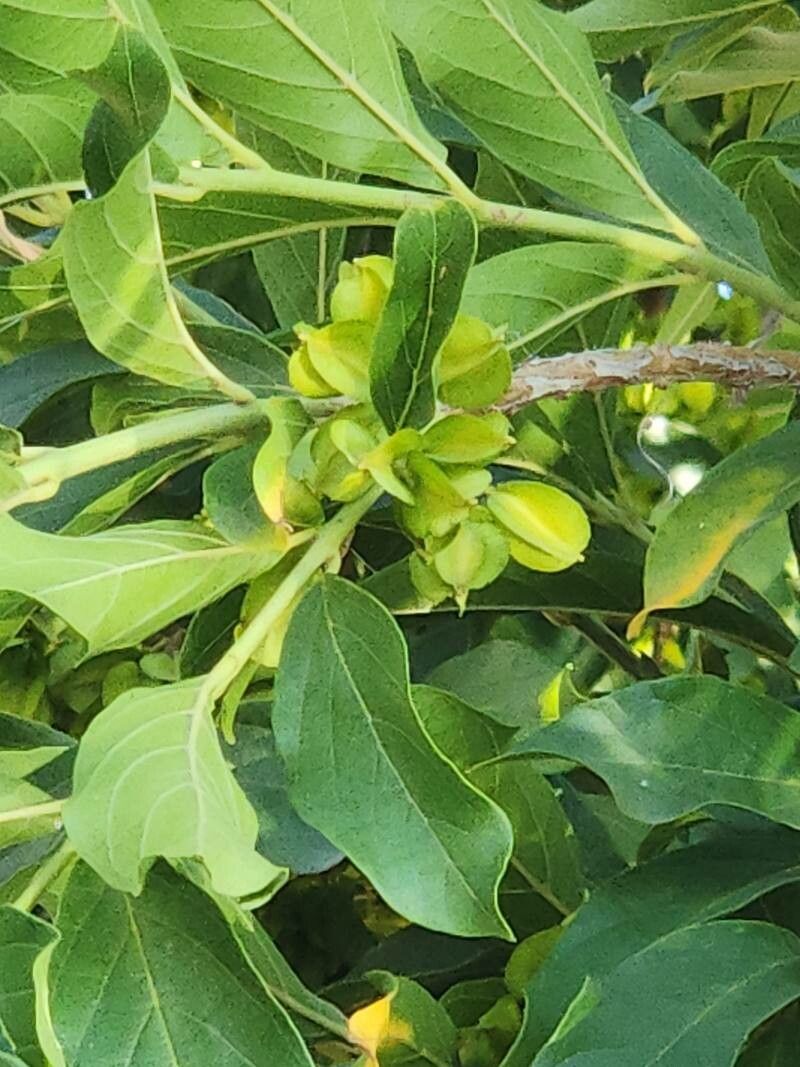
Oh, hello there, fellow garden enthusiast! Grab a mug of your favorite brew; we’re going to chat about a plant that always brings a smile to my face: Combretum kraussii, or the Bush Willow. Its delicate, beautiful flowers are a magnet for our pollinator friends, and there’s something so wonderfully satisfying about nurturing a new life from a tiny piece of its parent. If you’re looking for a rewarding propagation project, this is a lovely one to try. For beginners? It’s definitely doable, though a little patience goes a long way.
The Best Time to Start
When it comes to getting the most success with our Bush Willow, I’ve found that late spring to early summer is truly your golden ticket. This is when the plant is actively growing, signaling it has plenty of energy to push out new roots. Look for stems that are semi-hardwood – they’re not brand new and wispy, but not woody and old either. Think of it like a pencil; firm enough to hold its shape, but you can still easily bend it a little.
Supplies You’ll Need
Here’s what I like to have on hand before I get started:
- Sharp pruning shears or a clean sharp knife: For taking your cuttings. A clean cut is crucial!
- Rooting hormone powder or gel: While not always strictly necessary, it definitely gives your cuttings a helpful boost.
- A well-draining propagation mix: I usually use a 50/50 blend of perlite and peat moss or coco coir. Some clean sand mixed in can be good too. You want it to drain well but still hold a bit of moisture.
- Small pots or trays: With drainage holes, of course.
- A clear plastic bag or propagating dome: To create a humid environment.
- Water: For a quick dip of your cutting ends.
- Labels: So you don’t forget what you’ve planted!
Propagation Methods: Let’s Get Growing!
For Combretum kraussii, I’ve had the best luck with stem cuttings. It’s straightforward and you can get quite a few plants from a single parent.
- Taking Your Cuttings: Head out to your Bush Willow on a mild day. Select healthy, vigorous stems. Carefully snip off sections about 4-6 inches long. Make your cuts just below a leaf node (where a leaf attaches to the stem). This is where the magic happens for root development.
- Preparing the Cuttings: Gently remove the leaves from the bottom half of each cutting. You want to leave just a couple of leaves at the very top to help with photosynthesis. This also prevents them from rotting when they’re in the soil.
- The Rooting Hormone Step: Dip the cut end of each prepared cutting into your rooting hormone. Just a light coating is all you need; tap off any excess.
- Planting Them Up: Fill your small pots with your propagation mix. Make a pilot hole with a pencil or your finger, about an inch deep. Gently insert the hormone-coated end of the cutting into the hole. Firm the soil around it gently to ensure good contact.
- Creating Humidity: Once all your cuttings are potted, water them gently to settle the soil. Then, cover the pots with a clear plastic bag or place them under a propagating dome. This traps moisture and keeps the humidity high, which is essential for cuttings to root. You can use stakes to keep the bag from touching the leaves.
The “Secret Sauce” (Pro Tips)
Here are a few little tricks I’ve learned over the years that can make a big difference:
- Bottom Heat is Your Best Friend: If you’re serious about boosting success rates, consider using a heating mat designed for seedlings. Placing your pots on a gentle heat source encourages root growth from below, significantly speeding up the process.
- Don’t Drown Your Babies: While humidity is key, you don’t want soggy soil. Check the moisture level regularly by poking a finger into the soil. It should feel moist, but not waterlogged. If it feels too wet, lift the plastic or vent your dome for a bit. Overwatering is a common culprit for rot.
- Location, Location, Location: Find a spot that gets bright, indirect light. Direct sunlight, especially through a plastic bag, can scorch those tender new leaves and cook your cuttings. A windowsill with filtered light or a spot in a shaded greenhouse is ideal.
Aftercare & Troubleshooting
Once your cuttings start to show signs of rooting – you might see tiny new leaves emerging or feel a gentle tug when you carefully try to lift a cutting – it’s time for a little more attention. Gradually reduce the humidity by opening your dome or bag a little more each day over a week. Continue to keep the soil consistently moist but not soggy.
The most common issue you might face is rot. This typically happens from overwatering or poor air circulation. If you see a cutting turning black and mushy, sadly, it’s best to remove it to prevent it from affecting others. Discolored or wilting leaves can also be a sign of stress. Ensure you’ve got the light and moisture levels right. Don’t be discouraged if not every single cutting makes it; it’s part of the learning curve!
A Little Patience, A Lot of Reward
Propagating Combretum kraussii is a journey, and like any good journey, it’s about enjoying the process. Be patient. Give your cuttings the care and attention they need, and before you know it, you’ll have new little Bush Willows to plant, share, or simply admire. Happy gardening!
Resource:
https://identify.plantnet.org/k-world-flora/species/Combretum%20kraussii%20Hochst./data