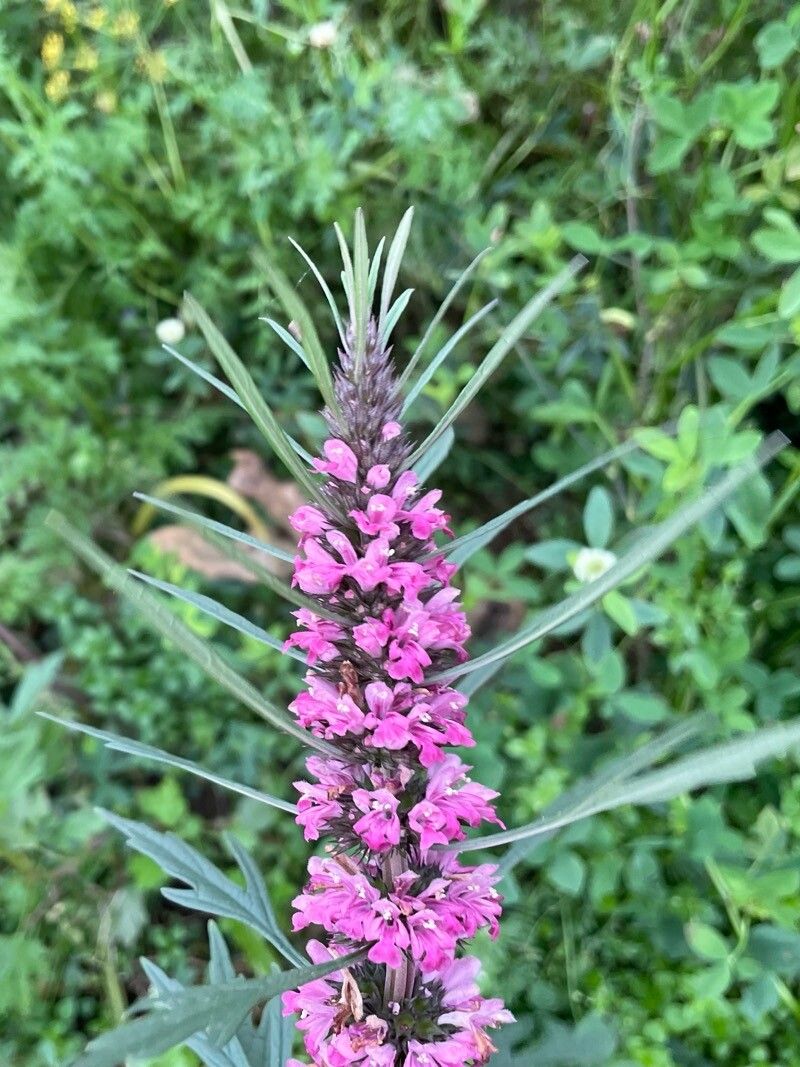
Oh, Siberian Motherwort! Leonurus sibiricus. What a charmer she is. With those delicate, spiky blooms that look like tiny purple helmets and her wonderfully bushy habit, she brings such a delightful energy to any garden. And the best part? She’s surprisingly easy to multiply! If you’ve ever admired this beauty and wished you had more, you’re in for a treat. Propagating Siberian Motherwort is a thoroughly rewarding experience, and honestly, it’s a plant that’s quite forgiving for us beginners.
The Best Time to Start
For the absolute highest success rate, I find that late spring or early summer is your golden window. This is when the plant is really hitting its stride, full of vigor and ready to lend a helping hand (or stem!) for propagation. You want to focus on new growth that’s firm but not yet woody.
Supplies You’ll Need
Gathering your tools beforehand makes the whole process so much smoother. Here’s what I usually have on hand:
- Sharp pruning shears or a clean, sharp knife: For making precise cuts.
- Rooting hormone (optional but helpful): A little dip can give your cuttings a boost.
- Potting mix: A well-draining blend is key. I often use a mix of equal parts peat moss and perlite, or a good quality seedling mix.
- Small pots or seed trays: Clean them well!
- Plastic bags or a propagator: To create a humid environment.
- Water: For misting and watering.
- Labels and a marker: Trust me, you’ll thank yourself later!
Propagation Methods
Siberian Motherwort is a plant that plays nicely with a few different propagation techniques.
Stem Cuttings: My Go-To
This is my favorite method for Siberian Motherwort. It’s efficient and usually yields great results.
- Take the Cuttings: Using your clean shears, snip non-flowering stems about 4-6 inches long. Make the cut just below a leaf node (where a leaf attaches to the stem).
- Prepare the Cuttings: Gently remove the lower leaves from the bottom half of each stem. You want to expose those nodes, as that’s where the roots will emerge. If the remaining leaves are very large, you can trim them in half to reduce water loss.
- Apply Rooting Hormone (Optional): Dip the cut end of each stem into your rooting hormone, tapping off any excess.
- Plant the Cuttings: Fill your clean pots or trays with your potting mix. Make a small hole with a pencil or your finger and gently insert the cut end of the stem. Firm the soil around it. Aim for about 2-3 leaf nodes buried in the soil. You can plant several cuttings per pot, leaving a little space between them.
- Water and Cover: Water the soil gently but thoroughly. Then, cover the pots with a plastic bag or place them in a propagator to create a high-humidity environment. You can use sticks or skewers to keep the plastic from touching the leaves.
Water Propagation: Simple and Visual
If you’re a visual learner like me, you might enjoy this method. Just be mindful!
- Prepare the Cuttings: Follow steps 1 and 2 from the stem cuttings method.
- Place in Water: Find a clean jar or glass and fill it with fresh water. Place the prepared cuttings in the water, ensuring that no leaves are submerged. Only the buried stem nodes should be in contact with the water.
- Find a Spot: Place the container in a bright location, but out of direct, harsh sunlight.
- Change Water Regularly: Change the water every few days to keep it fresh and prevent rot. You’ll start to see roots emerging from the nodes after a few weeks.
- Pot Up: Once the roots are about an inch long, carefully transplant them into pots filled with your potting mix. Treat them as you would any other seedling.
The “Secret Sauce” (Pro Tips)
Here are a few things I’ve learned over the years that can really make a difference:
- Bottom Heat is Your Friend: If you have a seedling heat mat, use it! Siberian Motherwort cuttings absolutely love a little warmth coming from below. It encourages faster root development and significantly increases your success rate, especially if your ambient temperatures aren’t super warm.
- Don’t Drown Your Cuttings: While humidity is crucial, overwatering the soil is the kiss of death. You want the soil to be consistently moist but never soggy. If you’re using water propagation, the “no leaves in the water” rule is paramount. Leaves submerged in water are prime candidates for rot.
- Patience and Observation: This might sound simple, but truly observing your cuttings is vital. Look for signs of new growth, tiny green shoots emerging from the leaf axils. This is your signal that roots are developing. If a cutting looks weak or starts to yellow, don’t be discouraged. It’s all part of the learning process.
Aftercare & Troubleshooting
Once you see those lovely little roots peeking out from the bottom of the pot or new growth emerging above the soil line, you’re ready to transition!
- Gradual Acclimation: If your cuttings were under plastic, gradually introduce them to drier air over a week or so. Start by taking the plastic off for a few hours each day.
- Watering: Continue to water them gently, allowing the top inch of soil to dry out between waterings.
- Light: Keep them in a bright spot, but still out of scorching direct sun for the first few weeks.
- Signs of Trouble: The most common issue is rot, which manifests as mushy, dark stems or leaves. This usually means the soil is too wet or there isn’t enough air circulation. If you see signs of rot, you might need to discard infected cuttings and try again, ensuring better drainage and less moisture. Yellowing leaves can sometimes indicate too much direct sun or a lack of nutrients, but with young cuttings, it often points to stress from transplanting or insufficient warmth for rooting.
Keep Growing!
And there you have it – your guide to bringing more beautiful Siberian Motherwort into your life. Remember, gardening is a journey of learning and discovery. Don’t be afraid to experiment, and celebrate every success, no matter how small. Be patient, show your little cuttings some love, and enjoy the satisfaction of watching them grow. Happy propagating!
Resource:
https://identify.plantnet.org/k-world-flora/species/Leonurus%20sibiricus%20L./data