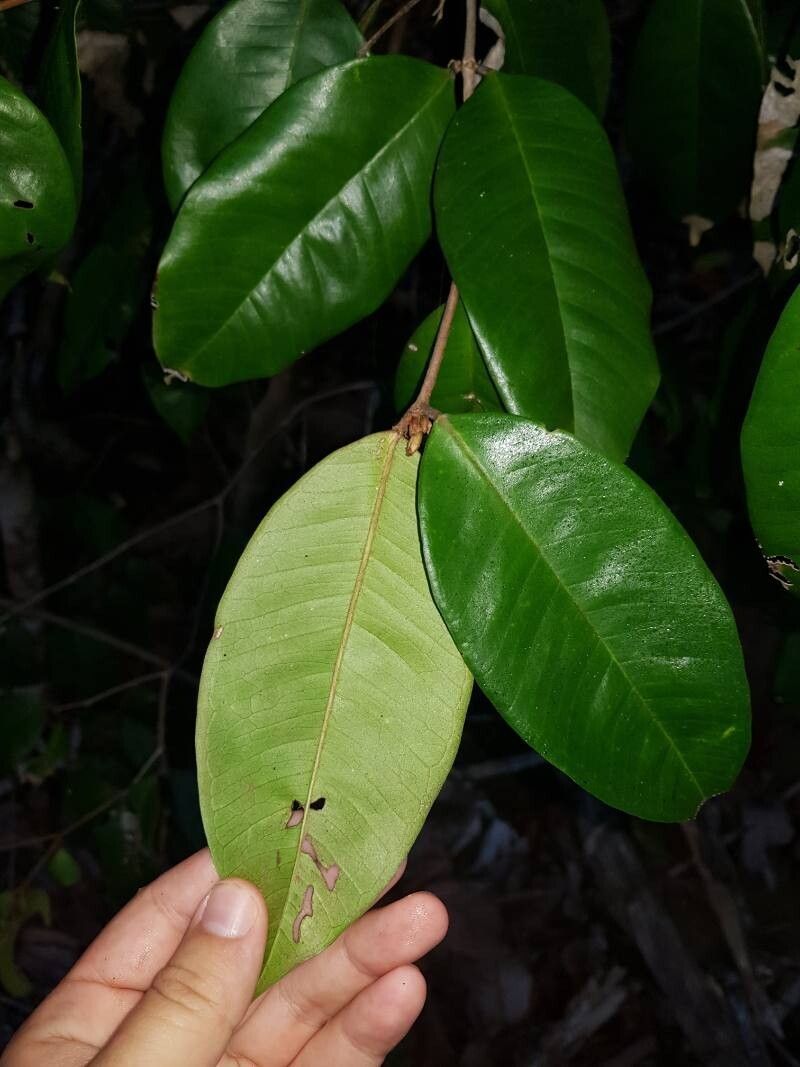
Oh, hello there! Come on in, pull up a chair. I’ve got my favorite mug ready, and I’m so excited to chat about one of my garden passions: Myrcia chytraculia. You know, that delightful little tree with its glossy leaves and sometimes lovely fragrance? It’s a fantastic addition to any garden, and the satisfaction of coaxing a brand-new plant into existence from just a piece of the original? Well, that’s truly something special.
Now, is Myrcia chytraculia a walk in the park for a brand-new gardener? I’d say it’s moderately challenging, but absolutely doable with a bit of care and the right approach. Don’t let that deter you! The rewards are well worth the gentle learning curve.
The Best Time to Start
For the highest success rate with Myrcia chytraculia, you want to catch it at the peak of its growing season. This is usually late spring to early summer. Think about when your established plants are really putting on new growth. That’s the energetic stuff we want to work with. You’re looking for stems that are still somewhat flexible and green, but not brand new, tender shoots. These are often called “semi-hardwood cuttings.”
Supplies You’ll Need
Here’s what I always have on hand when I’m looking to propagate:
- Sharp Pruning Shears or a Clean Knife: The cleaner the cut, the better the healing and rooting.
- Rooting Hormone: This is your best friend for encouraging strong root development. I like powdered ones, but gels work too.
- Well-Draining Potting Mix: A good blend of perlite, peat moss, and coarse sand works wonders. You can buy pre-made cactus/succulent mixes or create your own.
- Small Pots or Trays: Clean pots with drainage holes are essential.
- Clear Plastic Bags or a Propagator: To maintain humidity around your cuttings.
- Watering Can with a Fine Rose Attachment: For gentle watering.
- Labels: So you don’t forget what you planted where!
Propagation Methods
My go-to method for Myrcia chytraculia is stem cuttings. It’s reliable and gives you a good chance of success.
Stem Cuttings: Step-by-Step
- Select Your Stems: Look for those semi-hardwood stems I mentioned. You want cuttings about 4-6 inches long.
- Make the Cut: Using your clean shears or knife, make a clean cut just below a leaf node (where a leaf attaches to the stem).
- Prepare the Cuttings: Gently remove the lower leaves, leaving just a few at the very top. This prevents them from rotting in the soil and encourages the plant to focus its energy on rooting. If the leaves at the top are very large, you can even cut them in half to reduce water loss.
- Apply Rooting Hormone: Dip the cut end of the stem into your rooting hormone, covering about an inch. Tap off any excess.
- Pot Up Your Cuttings: Fill your small pots with your well-draining mix. Make a small hole with your finger or a pencil. Carefully insert the prepared cutting into the hole, ensuring the rooting hormone-coated part is in the soil. Gently firm the soil around the base of the cutting.
- Water Gently: Water the soil thoroughly but gently. You don’t want to dislodge the cutting.
- Create a Humid Environment: Place a clear plastic bag loosely over the pot, or pop the pots into a propagator. This creates a mini-greenhouse and keeps the humidity high, which is crucial for cuttings. Make sure the leaves don’t touch the plastic if possible.
- Find the Right Spot: Place your pots in a warm location with bright, indirect light. Avoid direct sun, which can scorch the young cuttings.
The “Secret Sauce” (Pro Tips)
Here are a couple of things I’ve learned over the years that make a real difference:
- Bottom Heat is Your Friend: If you can, place your pots on a heated propagator mat. This gentle warmth from below really encourages root development. It mimics the cozy feeling of being in warm soil, and the roots just love it!
- Don’t Be Afraid to Mist: Even with the plastic bag, a light misting of the leaves every day or two can really help keep your cuttings from drying out. It’s about maintaining that consistent moisture without waterlogging.
Aftercare & Troubleshooting
Once your cuttings have been in their humid environment for a few weeks, you’ll start to see signs of life. The biggest indicator that things are going well is new leaf growth. This means the cutting has started to establish itself.
Once you see this new growth, you can slowly start to acclimate your cutting to lower humidity. Gradually open the plastic bag or propagator for longer periods over a week or so. Be patient here; don’t rush it.
Signs of Trouble:
- Yellowing Leaves: This can be a sign of overwatering or not enough light.
- Wilting and Drooping: Often, this points to a lack of humidity or a cutting that just hasn’t taken yet.
- Rotting at the Base: This is a classic sign of overwatering and poor drainage. If you see this, malheureusement, that cutting is likely lost. It’s always best to have a few extra cuttings going just in case!
If your cutting doesn’t seem to be rooting after 6-8 weeks, gently tug on it. If you feel resistance, that’s a good sign roots are forming! If it pulls out easily, it hasn’t rooted. Don’t despair; just try again.
A Encouraging Closing
Propagating plants is a journey, not a race. There will be successes, and there will be some that don’t quite make it. That’s all part of the wonderful process of learning and gardening. Be patient with your little Myrcia chytraculia cuttings, give them the conditions they need, and celebrate every bit of new growth. Happy propagating!
Resource: