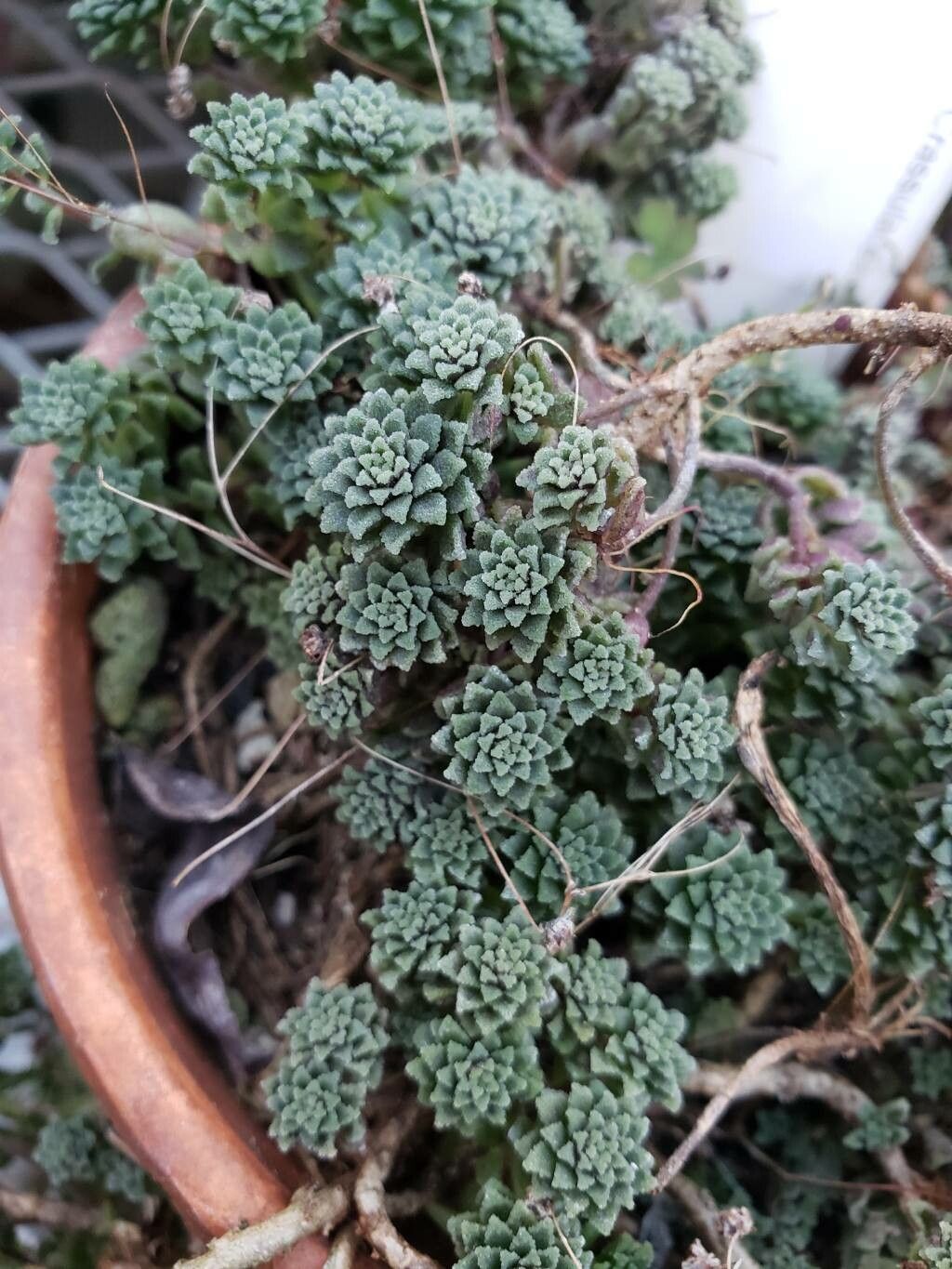
Hello there, fellow plant enthusiasts! It’s so lovely to have you join me today. We’re going to dive into the wonderfully rewarding world of propagating a truly special succulent: Monanthes subcrassicaulis. If you’re looking for a plant that’s a bit quirky and undeniably charming, this is it. Its compact, almost architectural rosettes are a delight to behold, and multiplying them is a fantastic way to share the joy or simply fill out your own collection without breaking the bank.
Now, about that beginner-friendliness. Monanthes subcrassicaulis can be a little more on the discerning side than some of your more robust Echeverias. It’s not a beginner’s absolute first rodeo, but with a few key pointers, I promise you, you’ll be successful. Think of it as a fun challenge that’s totally within reach!
The Best Time to Start
For the highest chance of success, spring or early summer is your sweet spot. This is when the plant is actively growing, and new shoots are readily available. Plus, longer daylight hours and warmer temperatures mean our little cuttings have a better chance of rooting quickly. You might get away with it in late summer, but I find the success rate dips a bit then.
Supplies You’ll Need
Gathering your supplies beforehand makes the whole process so much smoother. Here’s what I always have on hand:
- Well-draining succulent or cactus mix: This is non-negotiable! A good blend usually includes perlite, pumice, and coarse sand.
- Sharp, clean pruning shears or a craft knife: For making clean cuts.
- Rooting hormone (optional but recommended): I usually reach for a powder, but a gel works too.
- Small pots or trays: Terracotta pots are my favorite for succulents because they breathe well.
- Watering can with a fine rose or spray bottle: For gentle watering.
- Small pebbles or grit: To cover the soil surface.
- Patience! (Seriously, it’s the most important tool).
Propagation Methods
Monanthes subcrassicaulis is a star at propagating through stem cuttings and offsets. Let’s break down how to do it.
Stem Cuttings
This is my go-to method for this plant.
- Identify a healthy stem: Look for a stem that is firm and has a few rosettes on it.
- Make a clean cut: Using your sharp shears or knife, cut the stem cleanly. I like to leave about an inch or two of stem below the lowest rosette.
- Allow to callous: This is a crucial step! Place the cutting in a dry, airy spot out of direct sunlight for 2-4 days. You want the cut end to dry over and form a protective “skin” called a callous. This prevents rot when you plant it.
- Prepare your pot: Fill your small pot with your well-draining succulent mix.
- Apply rooting hormone (optional): Dip the calloused end of the cutting into your rooting hormone powder or gel. Tap off any excess.
- Plant the cutting: Gently insert the calloused end into the soil. You want it to stand upright on its own. If it’s wobbly, you can carefully prop it up with a small pebble.
- Initial Watering: Wait a day or two after planting before giving it its first light watering. You want the soil to be barely moist.
Offsets (Pups)
Sometimes, your Monanthes subcrassicaulis will produce little baby plants, or offsets, at the base.
- Gently tease the offset free: If the offset is near the main stem, you might be able to gently pull it away. If it’s firmly attached, use your sharp knife to carefully slice it free, making sure to get a little bit of the parent plant’s stem or root if possible.
- Allow to callous: Just like with stem cuttings, let the offset air dry for 1-2 days to form a callous.
- Plant and water: Prepare a small pot with soil, plant the offset, and water lightly after a day or two, just as you would a stem cutting.
The “Secret Sauce” (Pro Tips)
Here are a few little tricks I’ve learned over the years that can make all the difference:
- Don’t be afraid to prune: Sometimes, a neglected stem can actually become a fantastic source for cuttings. Rescuing an overgrown plant by taking cuttings is a win-win!
- Bottom heat is your friend: If you have a heated propagation mat, placing your pots on it can significantly speed up root development, especially if your home is on the cooler side. It mimics spring warmth beautifully.
- Light, not direct sun: Once planted, your cuttings need bright, indirect light. Too much direct sun can scorch delicate new growth. Think of a nice sunny windowsill but a little bit back from the glass.
Aftercare & Troubleshooting
Once your cuttings are planted, the goal is to encourage root development.
- Watering: Water sparingly. The soil should be barely moist, not soggy. Overwatering is the quickest way to invite rot. I usually check the soil moisture by gently poking a finger in or feeling the weight of the pot.
- How to know they’re rooting: After a few weeks to a couple of months (depending on conditions), you should see some signs of new growth – tiny little leaves emerging or the rosette looking a bit plumper. You can also give a very gentle tug; if there’s resistance, roots have formed.
- What if they rot? If your cutting turns mushy, black, or smells funky, it’s likely rot. Unfortunately, there’s not much you can do once rot sets in. This is why the callous step and well-draining soil are so vital! Discard the affected cutting and try again, focusing on those key steps.
- Transplanting: Once your new plant has a good root system and looks robust, you can pot it up into a slightly larger container with fresh succulent mix.
A Little Encouragement
See? It’s not so daunting, is it? Propagating Monanthes subcrassicaulis is a delightful exercise in observation and patience. Don’t get discouraged if your first attempt isn’t perfect. Every plant is a learning experience, and the joy of watching a tiny cutting transform into a beautiful new specimen is truly unparalleled. So, grab your tools, embrace the process, and happy propagating!
Resource: