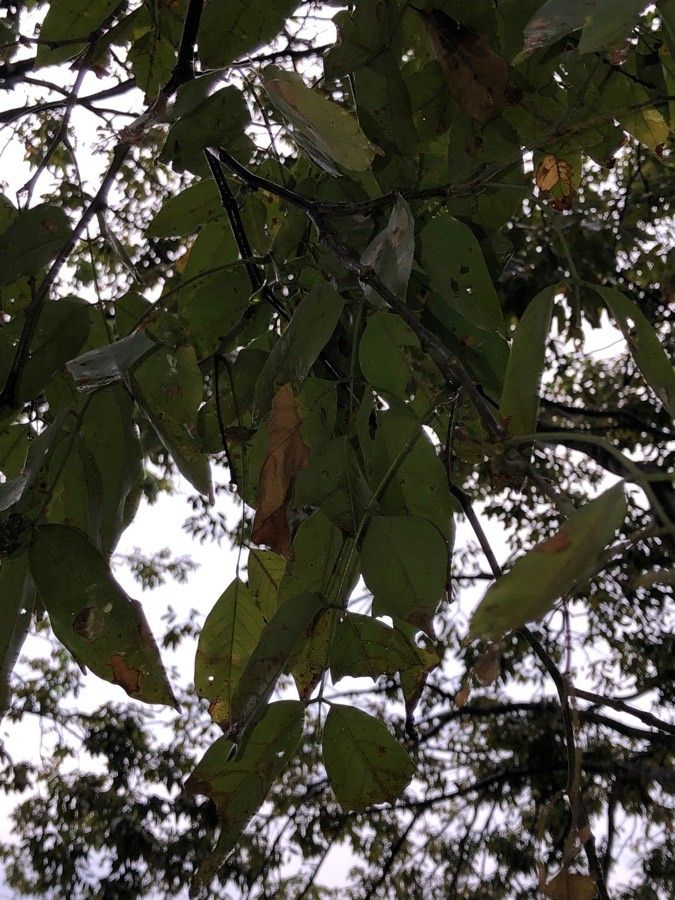
Hello fellow plant lovers! Today, we’re diving into the wonderful world of Millettia xylocarpa, a plant that’s sure to bring a touch of the exotic to your garden. If you’re smitten with its lovely foliage and perhaps the promise of unique seed pods, then propagating it yourself is a deeply satisfying endeavor. It’s a bit of a project, I’ll admit, and not always the easiest for absolute beginners, but with a little patience and the right approach, you’ll have new babies before you know it.
The Best Time to Start
My experience tells me that the sweet spot for propagating Millettia xylocarpa is during its active growing season. Think late spring through early summer. This is when the plant has plenty of energy to put into developing new roots. Trying to take cuttings when it’s dormant or stressed is just asking for disappointment.
Supplies You’ll Need
Gathering your supplies beforehand makes the whole process much smoother. Here’s what I always have on hand:
- Sharp, clean pruning shears or a razor blade: Essential for making clean cuts.
- Rooting hormone powder or gel: This really gives your cuttings a boost.
- Propagation mix: A well-draining blend is key. I like a 50/50 mix of perlite and peat moss, or a good quality potting mix with added perlite.
- Small pots or trays: For your cuttings to start their new lives.
- Clear plastic bags or a propagation dome: To create a humid environment.
- Watering can with a fine rose: For gentle watering.
- Labels and a marker: To keep track of what you’ve propagated!
Propagation Methods
While Millettia xylocarpa might not be as straightforward as a jade plant, stem cuttings are generally the most successful route.
- Select Your Cuttings: Look for healthy, semi-ripe stems on your mature plant. These are stems that are firm but still a bit flexible. Avoid brand-new, soft, green growth or old, woody stems.
- Make the Cut: Using your clean shears or razor blade, take cuttings about 4-6 inches long. Make the cut just below a leaf node (where a leaf attaches to the stem).
- Prepare the Cuttings: Gently remove the lower leaves from the cutting, leaving only the top two or three leaves. If the remaining leaves are very large, I often cut them in half to reduce water loss through transpiration.
- Apply Rooting Hormone: Dip the cut end of the stem into your rooting hormone, tapping off any excess.
- Plant Your Cuttings: Fill your small pots or trays with your propagation mix. Make a hole with a pencil or your finger and insert the cutting. Firm the mix gently around the stem.
- Create Humidity: Water the mix thoroughly but gently. Then, cover the pot or tray with a clear plastic bag, ensuring it doesn’t touch the leaves, or place it under a propagation dome. This traps moisture and creates a humid microclimate for your cuttings.
- Placement: Place the pots in a warm, brightly lit spot, but out of direct, harsh sunlight.
The “Secret Sauce” (Pro Tips)
Here are a couple of things I’ve learned that really make a difference for fussier plants like Millettia xylocarpa:
- Bottom Heat is Your Friend: This is a game-changer! Using a seedling heat mat under your pots provides consistent warmth to the base of your cuttings. This encourages root development much faster than ambient room temperature alone.
- Don’t Drown Them! While humidity is crucial, the propagation mix should be consistently moist, but never waterlogged. Overwatering is the fastest way to a rotten end for your cuttings. Check the moisture levels regularly and water only when the top layer feels slightly dry. My trick is to gently lift the pot – you’ll get a feel for when it needs a drink.
- Be Patient with that Wiggle Test: Resist the urge to tug on your cuttings to see if they have roots. Wait for signs of new growth like tiny leaves emerging. If you must check, do it very gently. A slight tug will give you resistance if roots have formed.
Aftercare & Troubleshooting
Once you see signs of new growth, like tiny leaves unfurling or a bit of resistance when you gently tug (the wiggle test!), it’s a good indication that roots are forming.
- Acclimatization: Gradually begin to acclimate your new plants to normal room humidity. Loosen the plastic bag or lift the dome for progressively longer periods over a week or two.
- Transplanting: Once your cuttings have a decent root system and are showing good top growth, you can transplant them into slightly larger individual pots. Use a good quality potting mix at this stage.
- Signs of Trouble: The most common problem you’ll encounter is rot. If your cutting looks mushy, is dark brown or black at the base, or just completely wilts despite being watered, it’s likely rotted. This is usually due to too much moisture and not enough air circulation. If you see this, sadly, it’s best to discard it and start again.
Happy Propagating!
Growing new plants from cuttings is like watching a little miracle unfold. It takes a bit of fine-tuning, and not every attempt will be a success, but that’s part of the journey. So, gather your supplies, get your hands dirty, and enjoy the process of bringing more of these beautiful Millettia xylocarpa into your life. Happy gardening!
Resource:
https://identify.plantnet.org/k-world-flora/species/Millettia%20xylocarpa%20Miq./data