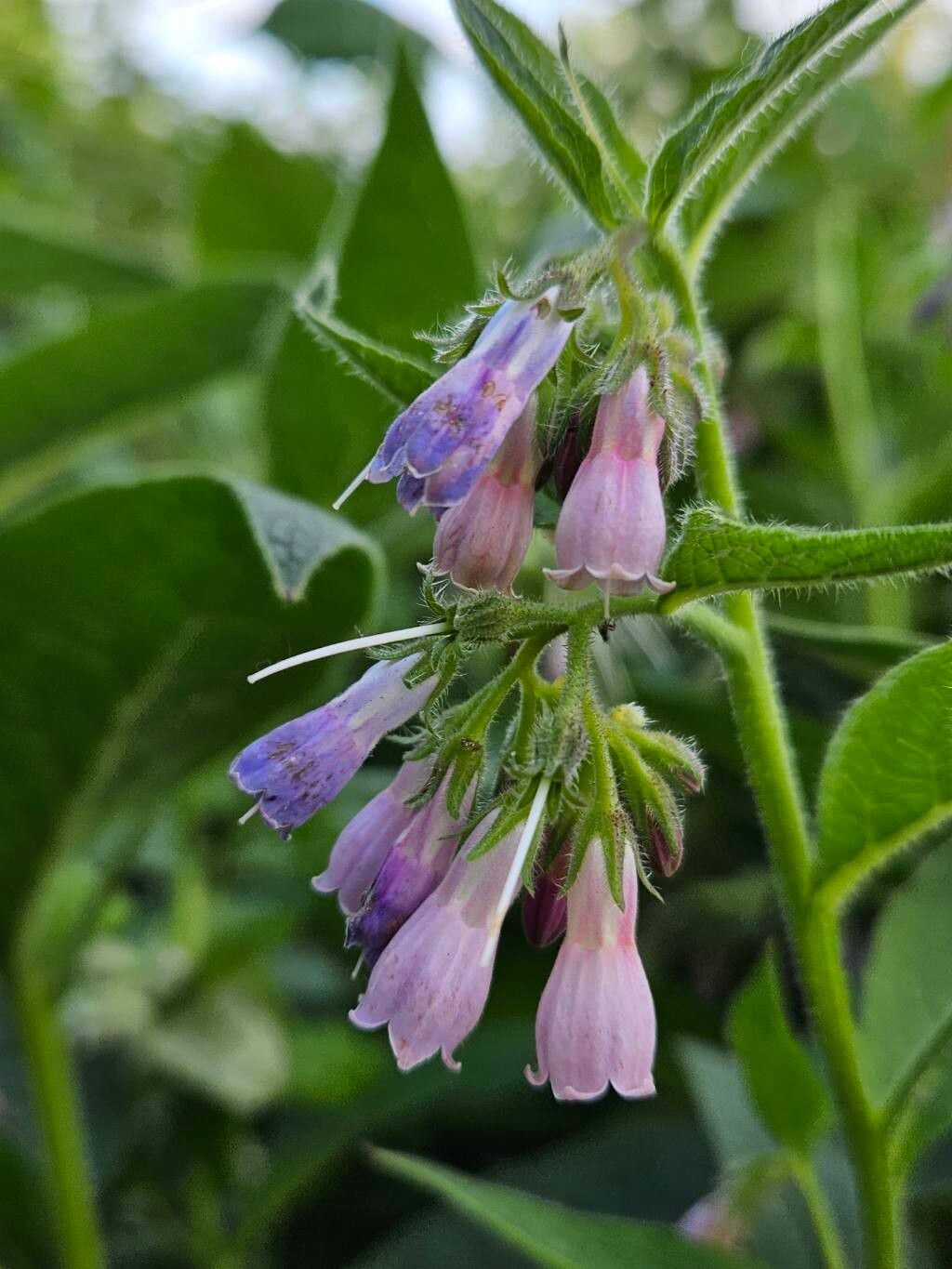
Bringing More Comfrey to Your Garden: A Guide to Propagating Symphytum asperum
Hello there, fellow garden enthusiasts! If you’ve ever admired the robust beauty of Symphytum asperum, Russian comfrey, you’re in for a treat. This powerhouse plant, with its lush, hairy leaves and cascades of nodding purple flowers, is a garden workhorse. It’s fantastic for adding biomass, feeding the soil with its nutrient-rich leaves, and even attracting pollinators. Plus, who doesn’t love the satisfaction of creating more of a good thing from a plant you already cherish?
The good news is that propagating comfrey is incredibly rewarding, and I’d say it’s quite beginner-friendly. It’s a forgiving plant, eager to grow, which makes it a perfect candidate for those just dipping their toes into the world of propagation.
The Best Time to Start
For comfrey, spring is truly your golden ticket. Once the ground has thawed and new growth is just starting to emerge, that’s when the plant is bursting with life and ready to be divided or have cuttings taken. You can also have success with stem cuttings later in the season, but spring division is generally the most reliable and easiest.
Supplies You’ll Need
Here’s a little toolkit to get you going:
- Sharp Pruning Shears or a Knife: Clean cuts are essential for healthy healing and discouraging disease.
- Sturdy Trowel or Spade: For carefully excavating and dividing root clumps.
- Comfrey-Friendly Soil Mix: A good blend is typically two parts compost to one part sand and one part coir or peat moss. This provides drainage and a bit of nutrition. You can also simply use your regular garden soil if it’s well-draining.
- Rooting Hormone (Optional but helpful): Especially if you’re taking stem cuttings. A powder or gel works wonders.
- Small Pots or Trays: For your new comfrey babies.
- Watering Can with a Fine Rose: To water gently without disturbing your cuttings.
- Labels and a Pen: To keep track of what you’ve planted and when!
Propagation Methods
Comfrey is a champion of propagation, and I find two methods particularly effective:
1. Division (The Springtime Magic)
This is my absolute favorite for comfrey because it’s so straightforward.
- Dig it Up: In early spring, as soon as you see signs of new growth, carefully dig around your mature comfrey plant. The goal is to lift the entire root ball.
- Inspect the Roots: Gently shake off excess soil so you can see the root structure. Look for natural divisions in the crown – where one main stem seems to emerge from a distinct section of root.
- Divide Carefully: Using your sharp spade or trowel, carefully slice through the root system to separate the plant into smaller sections. Aim for sections that have at least one good bud or active growth point. There’s no need to be overly precise; the plant is tough!
- Replant Immediately: Once you have your divisions, replant them directly into their new locations in the garden or into pots. Ensure the buds are facing upwards, just below the soil surface. Water them in well.
2. Stem Cuttings (For Later in the Season)
If you miss the spring division window or want to experiment further, stem cuttings are a great option.
- Select Your Cuttings: During the growing season (late spring through summer), choose healthy, non-flowering stems. Look for stems that are about 6-10 inches long and have at least two or three sets of leaves.
- Make the Cut: Using your clean pruning shears, make a cut just below a leaf node (where a leaf attaches to the stem). Remove the lower leaves, leaving just the top two or three.
- Apply Rooting Hormone (Optional): Dip the cut end of the stem into rooting hormone, tapping off any excess.
- Plant Your Cuttings: Insert the cut end of the stem about 1-2 inches deep into your prepared potting mix. I like to plant at least two or three cuttings per pot, spaced a few inches apart. Gently firm the soil around them.
- Water and Cover: Water the cuttings gently. To increase humidity, which helps prevent wilting, you can cover the pot with a clear plastic bag or a plastic dome, ensuring the leaves don’t touch the plastic.
The “Secret Sauce” (Pro Tips)
Here are a few little tricks I’ve learned over the years that can give you an extra edge:
- Don’t Be Afraid to Be Aggressive with Division: Comfrey roots can be a bit woody. If you’re splitting a large clump, don’t hesitate to use a sturdy spade. A clean, sharp cut is better than a jagged tear.
- Bottom Heat is Your Friend (for Cuttings): While comfrey is hardy, stem cuttings will root faster and more reliably if they have a bit of warmth from below. Placing your pots on a heat mat designed for seedlings can significantly speed up the rooting process, especially in cooler spring weather. It encourages those root cells to get busy!
- Think About Comfrey’s Future: When replanting divisions or very large cuttings, remember that comfrey grows. Give them plenty of space! They are not small, delicate plants. Also, keep in mind that comfrey can be quite invasive in some areas, so choose your location wisely.
Aftercare & Troubleshooting
Once your comfrey divisions or cuttings are planted, the key is consistent moisture.
- Watering: Keep the soil consistently moist but not waterlogged. Check the soil moisture by sticking your finger about an inch down. If it feels dry, it’s time to water. For cuttings under cover, you’ll need to water less frequently but still keep an eye on them.
- Rooting Time: Divisions should show new growth within a couple of weeks. Cuttings will take longer, typically 3-6 weeks for good root development. You can gently tug on a cutting; if there’s resistance, roots are forming.
- Troubleshooting Rot: The most common issue you might encounter is rot, especially with stem cuttings. This usually happens from overwatering and poor air circulation. If you see mushy, brown stems, it’s likely rot. Discard any affected cuttings and ensure your remaining ones have good drainage and aren’t sitting in water. If you’re using the plastic bag method, ventilate daily for a few minutes to allow fresh air to circulate.
A Warm Encouragement
Growing more of your favorite plants is such a fulfilling gardening journey. Don’t get discouraged if your first few attempts aren’t perfect. Comfrey is a resilient soul, and with a little patience and these tips, you’ll soon be surrounded by even more of its magnificent greenery. Happy propagating!
Resource:
https://identify.plantnet.org/k-world-flora/species/Symphytum%20asperum%20Lepech./data