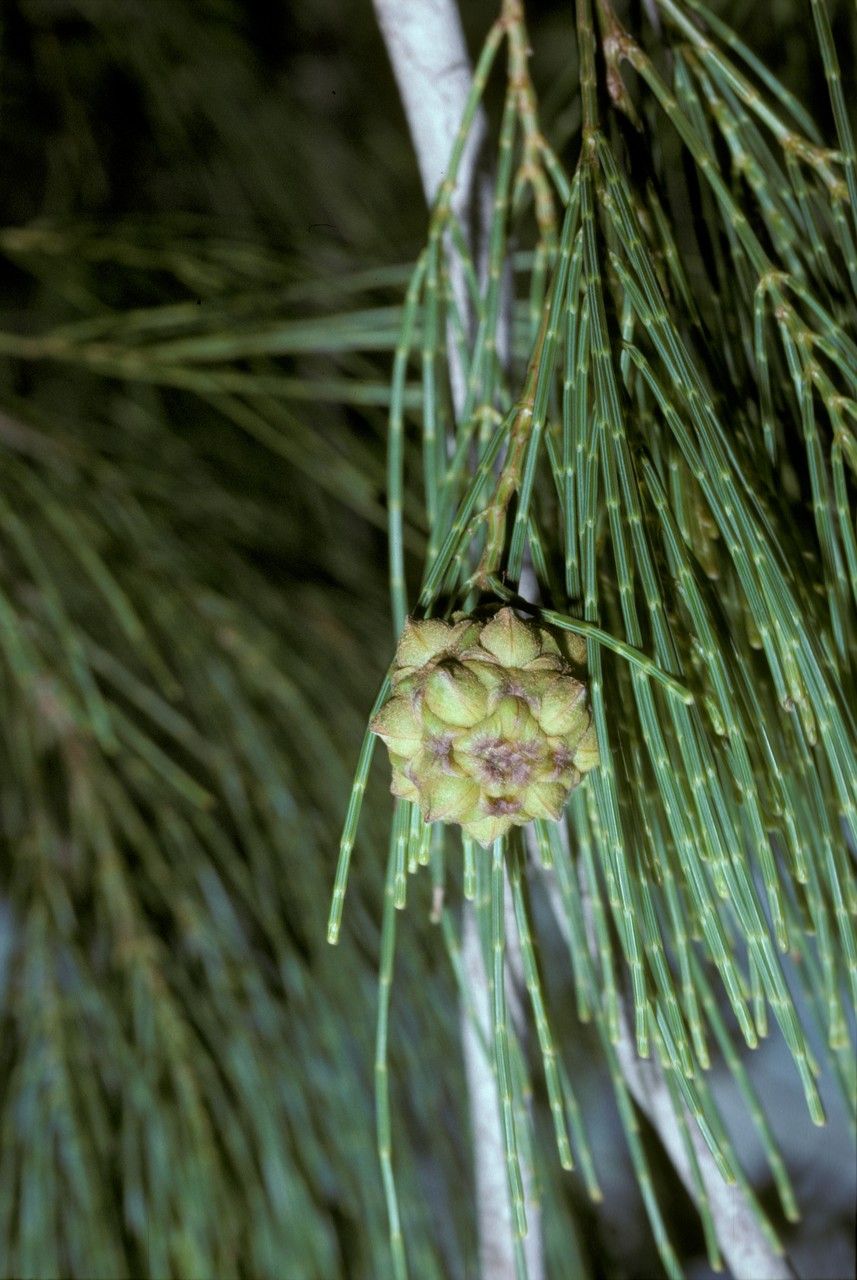
Oh, hello there! Come on in and grab a mug. Let’s chat about Gymnostoma nobile. You know, that gorgeous, wispy beauty that brings such an airy, almost ethereal quality to a garden or even a bright windowsill? Its delicate foliage just dances in the slightest breeze, and honestly, once you get one, you’ll want more. Propagating it yourself is incredibly satisfying, like coaxing a little bit of that magic into being from a piece of the original. Now, for those of you just dipping your toes into the world of propagation, Gymnostoma nobile can be a tad on the trickier side. It’s not impossible, mind you, but it rewards a bit of patience and observant care. Think of it as a gentle, loving nudge rather than a forceful push.
The Best Time to Start
For the highest success rate with Gymnostoma nobile, you really want to take cuttings in late spring or early summer, when the plant is in its active growing phase. The energy the parent plant is putting into new growth means those cuttings are more likely to have the oomph they need to root. You can also try in early autumn, but the vigor might be a little less pronounced. Pay attention to your plant; you’re looking for new, semi-hardwood stems – not the super soft, brand-new growth, but not the mature, woody stems either. They should be somewhat firm but still flexible.
Supplies You’ll Need
Gathering your tools beforehand makes the whole process so much smoother. Here’s what I usually have on hand:
- Sharp, clean pruning shears or a sharp knife: This is crucial for making clean cuts.
- Potting mix: A well-draining, airy mix is key. I like to combine equal parts perlite, coarse sand, and a good quality peat-free potting compost. You could also use a specialized succulent or cactus mix.
- Small pots or trays: About 3-4 inches are perfect for individual cuttings. Make sure they have drainage holes!
- Rooting hormone powder or gel: This really gives your cuttings a boost. I find the powder is easiest to work with.
- Watering can with a fine rose or a spray bottle: For gentle watering.
- Plastic bags or a propagator lid: To create a humid microclimate.
- Optional: Bottom heat mat: This can be a game-changer, especially if your home tends to be cool.
Propagation Methods
Let’s get our hands dirty! For Gymnostoma nobile, stem cuttings are generally the most reliable method I’ve found.
Stem Cuttings Method:
- Select your stem: As I mentioned, find a nice, semi-hardwood stem. Look for one that’s about 4-6 inches long.
- Make the cut: Using your clean shears or knife, make a sharp, clean cut just below a leaf node. A leaf node is where a leaf attaches to the stem – this is where the magic of rooting happens!
- Prepare the cutting: Gently remove the lower leaves, leaving just a few at the very tip. This prevents them from rotting when you place the cutting in soil.
- Dip in rooting hormone: Moisten the cut end of the stem slightly, then dip it into your rooting hormone powder, tapping off any excess.
- Plant the cutting: Make a hole in your prepared potting mix with a pencil or your finger. Gently insert the cutting into the hole, ensuring the nodes where you removed leaves are buried. Firm the soil gently around the stem.
- Water gently: Water thoroughly from the base, ensuring the soil is moist but not waterlogged.
- Create humidity: Place the pot into a clear plastic bag, zipping it up or securing it with a rubber band. If you have a propagator lid, use that instead. You want to create a mini-greenhouse effect to keep humidity high.
- Find a spot: Place the pot in a warm location with bright, indirect light. Avoid direct sun, which can scorch your delicate cuttings.
The “Secret Sauce” (Pro Tips)
Here are a few little things I’ve learned over the years that really seem to make a difference:
- Don’t crowd your cuttings! Give each one its own pot. If they’re too close together when they start rooting, they can compete for resources and even encourage rot.
- Bottom heat is your friend. If you have a heat mat, place your pots on it. This gentle warmth from below encourages root development without overheating the foliage. You’ll often see roots form much faster.
- Tap water and delicate plants don’t always play nicely. If your tap water is particularly hard, consider using distilled or rainwater for that initial watering and for subsequent misting. It’s a small detail, but it can prevent mineral buildup that might stress a young rooting.
Aftercare & Troubleshooting
Once your cuttings have settled in, the main game is keeping them humid and waiting. You’ll want to gently mist them every few days, especially if you’re not using a plastic bag. If you see condensation on the inside of the bag, that’s a good sign of the humidity you’re aiming for.
You’ll know your cutting has successfully rooted when you gently tug on it and feel resistance, or when you start to see new leaf growth at the tip. This can take anywhere from a few weeks to a couple of months, so patience is key!
The biggest foe is usually rot. If your cutting starts to look mushy, yellow, or just sad and limp, it’s likely succumbing to too much moisture and not enough airflow. Unfortunately, if the stem is mushy, it’s usually game over. My best advice here is to ensure excellent drainage from the start and water very judiciously. A little bit of wilting is okay; mushiness is not.
A Encouraging Closing
So there you have it! Propagating Gymnostoma nobile is a journey, a lovely little experiment in patience and observation. Don’t be discouraged if your first few attempts aren’t perfect. Every plant is a learning opportunity, and the joy of nurturing a new life from a tiny cutting is a reward all its own. Keep trying, enjoy the process, and soon you’ll have a whole collection of these graceful beauties! Happy gardening!
Resource: