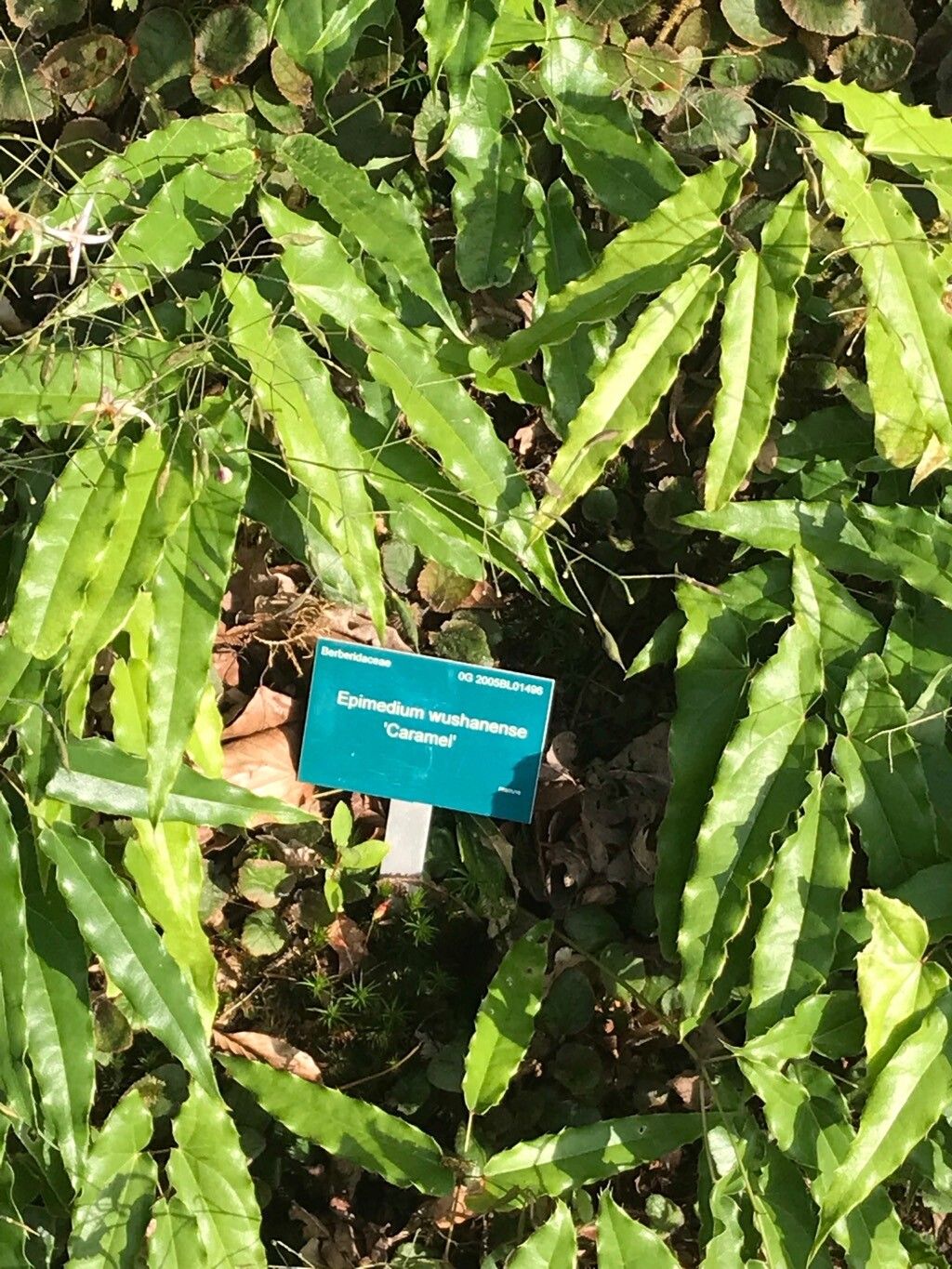
Hello, fellow plant lovers! If you’ve ever admired the delicate, arching blooms and attractive foliage of Epimedium wushanense (often called Chinese Barrenwort), you’re in for a treat. I’ve been growing these beauties for years, and I find propagating them to be incredibly rewarding. It’s a wonderful way to share these charming woodlanders with friends or simply expand your own collection. While Epimedium can sometimes get a reputation for being a bit particular, propagating them is actually quite manageable, even for those new to the world of plant reproduction.
The Best Time to Start
For Epimedium wushanense, the sweet spot for propagation is late spring to early summer. This is when the plant is actively growing, and the new shoots are developing. Timing it right means you’re working with vigorous material that has a better chance of success. You’re essentially catching the plant at its peak energy.
Supplies You’ll Need
Here’s what I always have on hand when I’m getting ready to propagate:
- Sharp, clean pruning shears or a utility knife: Essential for making clean cuts.
- Rooting hormone (powder or gel): This isn’t always strictly necessary for Epimedium, but it can give a helpful boost, especially for beginners.
- Well-draining potting mix: A good blend for me is equal parts peat moss, perlite, and coarse sand. You could also use a specialized seedling or propagation mix.
- Small pots or trays: Clean containers are a must to prevent disease.
- Labels and a marker: So you don’t forget what you planted where!
- Watering can with a fine rose or a spray bottle: For gentle watering.
- Clear plastic bags or a propagator: To create a humid environment.
- Optional: Heat mat: This can really speed things up, but it’s not essential.
Propagation Methods
The most straightforward way to propagate Epimedium wushanense is through division, which we’ll cover first. Stem cuttings can be trickier with Epimedium, so I generally favor division.
Division: Sharing the Wealth
This is really the most forgiving and successful method for most gardeners.
- Digging Up the Plant: In late spring or early summer, when the plant is actively growing but before it gets too hot, carefully dig around the base of your Epimedium. You want to lift the entire root ball out of the ground gently. Try to disturb the roots as little as possible.
- Separating the Rhizomes: Once the plant is out, you’ll see fleshy, creeping stems called rhizomes just below the soil surface. Gently shake off some of the excess soil to expose them.
- Making the Cuts: Using your clean pruning shears or a sharp knife, carefully divide the root ball into smaller sections. Each section should have at least a few healthy rhizomes and some foliage. You can simply pull some divisions apart by hand if they aren’t too densely rooted. For tougher divisions, use your knife to cut through the rhizomes.
- Planting the Divisions: Pot each division into its own container filled with your well-draining potting mix. Make sure the top of the rhizome is just at or slightly below the soil surface.
- Watering In: Water the divisions thoroughly to settle the soil around the roots.
Stem Cuttings (A Bit More Advanced)
If you’re feeling adventurous, you can try stem cuttings, but be patient!
- Taking the Cuttings: In late spring or early summer, select healthy, new shoots that are about 3-4 inches long. Make a clean cut just below a leaf node (where a leaf attaches to the stem).
- Preparing the Cuttings: Remove the lower leaves, leaving just a few at the top. If you’re using rooting hormone, dip the cut end into the powder or gel.
- Planting the Cuttings: Insert the prepared cuttings into small pots filled with your propagation mix. Gently firm the soil around them.
- Creating Humidity: Water gently and then cover the pots with a clear plastic bag or place them in a propagator to maintain high humidity. You can use stakes to keep the bag from touching the foliage.
- Placement: Place the pots in a bright location, but out of direct sunlight.
The “Secret Sauce” (Pro Tips)
Here are a couple of things I’ve learned over the years that make a real difference:
- Don’t Drown Your Dreams: For stem cuttings, a common mistake is letting the leaves sit directly in water. If you’re using a shallow tray, make sure the foliage is elevated. Excessive moisture on the leaves can lead to fungal issues and rot.
- Warmth Encourages Roots: If you can, place your pots or trays on a heat mat set to a low temperature (around 70-75°F). This gentle bottom heat really encourages root development, especially for cuttings. You’ll find they root much faster this way.
Aftercare & Troubleshooting
Once your divisions or cuttings are planted, the key is to keep them consistently moist but not waterlogged.
- Watering: Water them when the top inch of soil feels dry to the touch. If you’re using a plastic bag or propagator, you’ll need to ventilate it daily for a little while to prevent excess condensation and potential fungal growth.
- Light: Keep them in a bright spot, but shield them from harsh, direct sun, which can scorch delicate new growth.
- Roots!: For divisions, you’ll see new growth relatively quickly. For cuttings, it can take anywhere from 4-8 weeks or even longer for roots to form. You can gently tug on a cutting – if there’s resistance, it has rooted.
- Troubleshooting: The biggest culprit for failure is rot. If your cuttings turn mushy and black, or your divisions wilt dramatically and show signs of decay, it’s usually due to overwatering or poor drainage. Ensure your soil mix is very free-draining, and don’t be afraid to let the surface dry slightly between waterings.
A Little Patience Goes a Long Way
Propagating Epimedium wushanense is a journey, not a race. Enjoy the process of nurturing these tiny beginnings. Be patient, especially with cuttings, and trust that with the right conditions, you’ll soon have new plants to admire, share, and plant out in your garden. Happy propagating!
Resource:
https://identify.plantnet.org/k-world-flora/species/Epimedium%20wushanense%20T.S.Ying/data