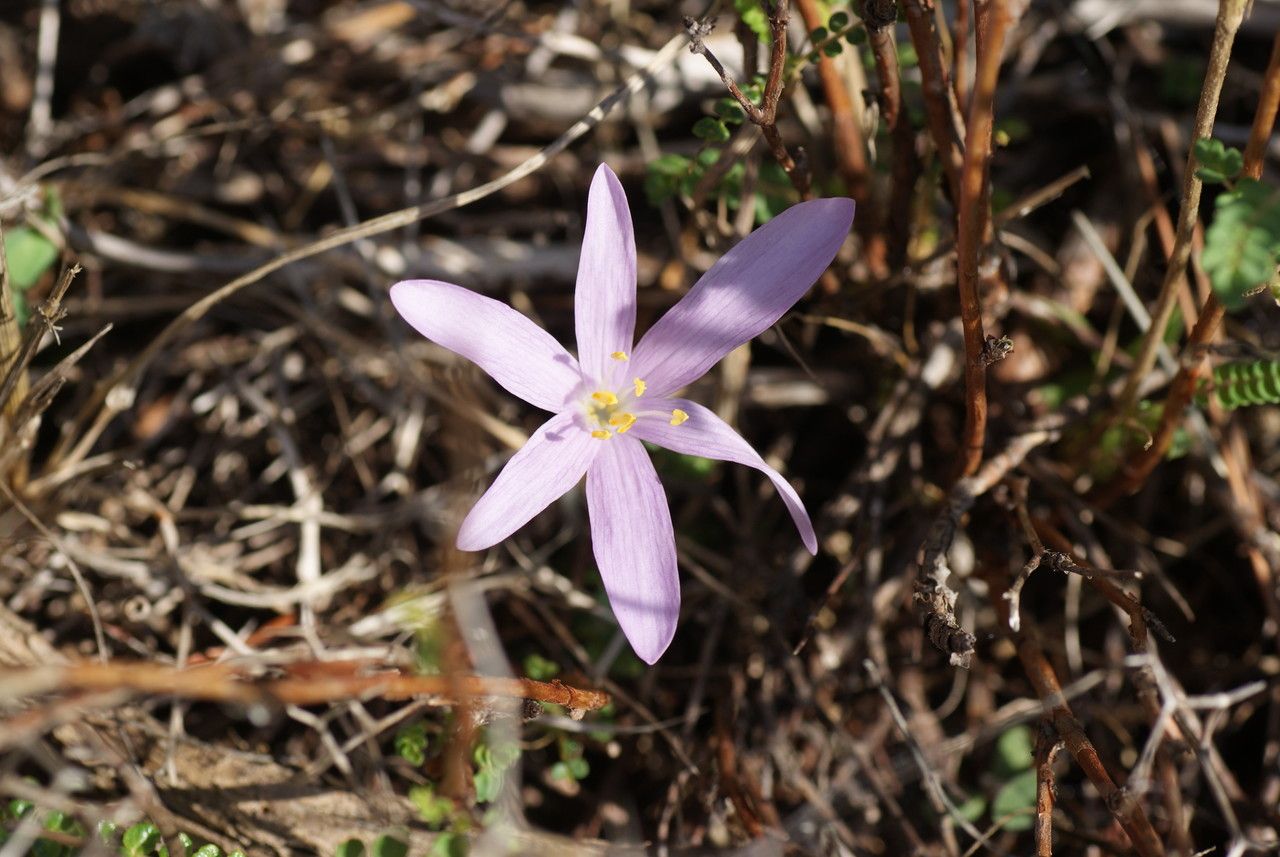
Oh, hello there! I’m so glad you’ve decided to dive into the wonderful world of Colchicum parlatoris. Honestly, these autumn beauties are just a delight to have in the garden, with their surprising pops of color when so much else is winding down. Propagating them is… well, it’s a bit of a slow burn, but the reward of seeing a new little corm sprout and eventually bloom is incredibly satisfying. For beginners? I’d say they lean towards the moderately challenging side. It’s not impossible, but you’ll want to pay attention to the details.
The Best Time to Start
Timing is pretty crucial with Colchicum parlatoris. The absolute ideal time to propagate them is right after they’ve finished flowering and the leaves start to yellow and die back. This is usually in late summer to early autumn. The plant is entering its dormancy, and that’s when you can gently work with the corms without too much stress. Trying to do it when the leaves are plump and green can be a bit… disruptive to the plant.
Supplies You’ll Need
Gathering your supplies beforehand makes the whole process much smoother. Here’s what I like to have on hand:
- Sharp, clean trowel or small spade: For gently loosening the soil.
- Sharp pruning shears or a knife: To carefully divide the corms. Make sure they’re sterilized with rubbing alcohol.
- Well-draining potting mix: Something specifically for bulbs or a mix of peat, sand, and perlite works beautifully.
- Small pots or trays: Enough to give your new divisions a bit of breathing room.
- Labels and a marker: So you don’t forget what you planted where!
- A watering can with a fine rose: Gentle watering is key.
Propagation Methods
For Colchicum parlatoris, the primary and most successful method is corm division. They don’t really take to stem cuttings or water propagation.
Here’s how I do it:
- Gently Excavate: Once the foliage has died back, carefully dig around the parent corm with your trowel. You want to avoid damaging any of the young corms that may have formed. Lift the entire clump out of the soil.
- Clean Them Up: Gently brush off excess soil from the corms. You can rinse them lightly under cool water if they’re particularly dirty, but ensure you dry them thoroughly afterward. Dampness is the enemy!
- Inspect and Divide: Look at the clump of corms. You’ll often see the main parent corm with smaller cormels attached. Using your sterilized shears or knife, carefully separate any healthy-looking, pea-sized or larger cormels from the parent. Aim for corms that look firm and plump, not shriveled or soft.
- Prepare the Pots: Fill your small pots or trays with your well-draining potting mix.
- Plant the Corms: Plant each division about 2-3 inches deep, with the pointed end (where the leaves will emerge) facing upwards. Give them a little space; don’t overcrowd the pots.
- Water Lightly: Give them a gentle watering to settle the soil.
The “Secret Sauce”
Now, for those little bits of wisdom that make all the difference:
- Think “Dry Dormancy”: After planting your divisions, don’t keep them consistently wet. They need a dry period to truly rest and adjust. Only water when the soil feels dry to the touch. Think of it as mimicking their natural dry summer rest.
- Patience is a Virtue: Colchicum parlatoris corms can take a while to establish. Don’t be discouraged if you don’t see new growth immediately. They might even skip a season of blooming after division. Let them be!
Aftercare & Troubleshooting
Once you see signs of new growth – usually a little sprout or a bit of leaf emerging – you can start watering a bit more regularly, but never let them sit in soggy soil. Keep them in a bright spot, but avoid intense direct sun when they’re just starting out.
The biggest issue you’re likely to encounter is rot. This is usually due to overwatering or poor drainage. If you notice a corm turning mushy or developing black spots, it’s probably a goner. Remove it immediately to prevent it from spreading. Another sign of stress can be weak, leggy growth, which often indicates they need more light or are a bit too warm.
A Little Encouragement
Propagating Colchicum parlatoris is a journey, not a race. Enjoy the process of nurturing these special plants. Be patient, observe them closely, and when you finally see those beautiful autumn blooms unfurl from a plant you grew yourself, you’ll know it was all worth it. Happy gardening!
Resource:
https://identify.plantnet.org/k-world-flora/species/Colchicum%20parlatoris%20Orph./data