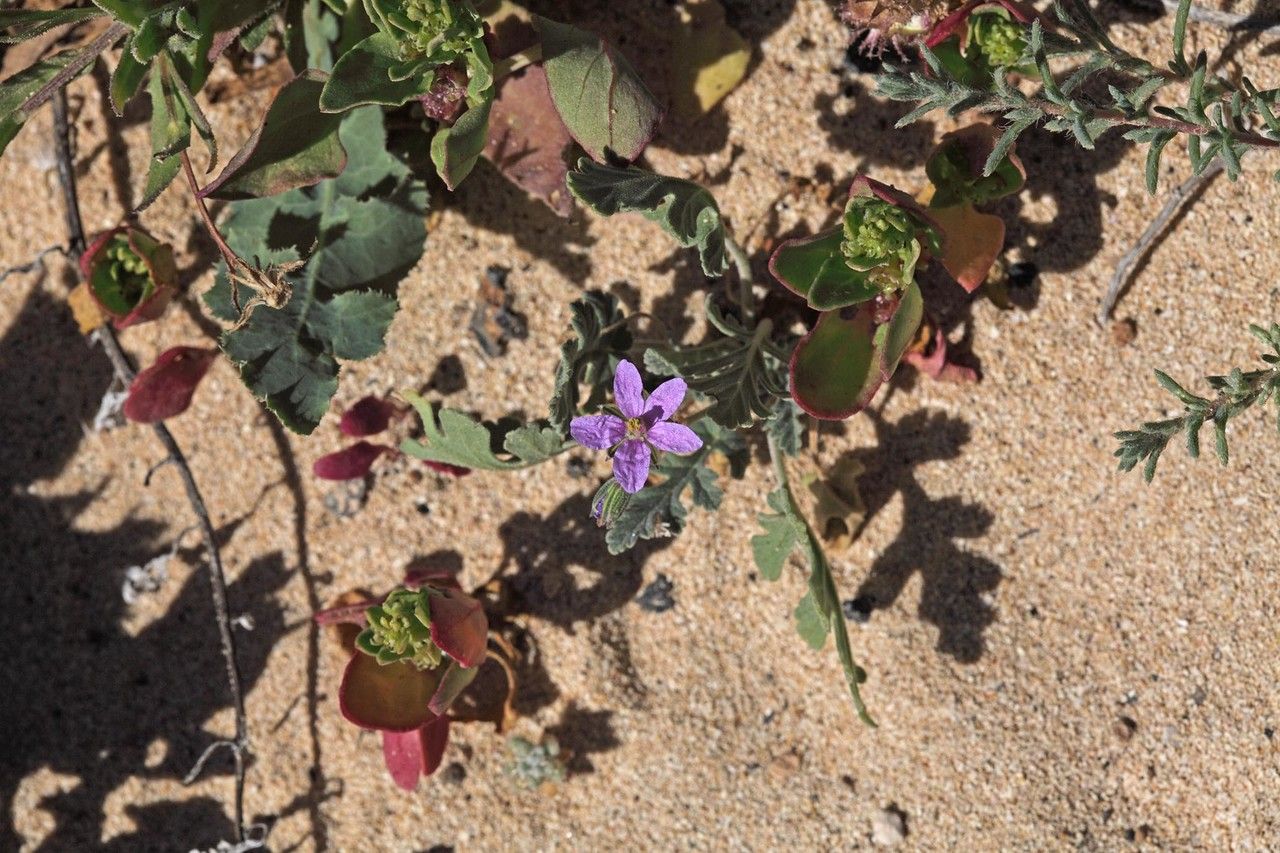
Oh, hello there! Come on in, grab a mug, and let’s chat about Erodium! You know, those delightful little plants with their charming trumpet-shaped flowers and intricate foliage. They’re like tiny jewels in the garden, aren’t they? I’ve been growing them for years, and I have to say, watching a new little Erodium pop into existence from a simple cutting or a division is just pure gardening joy. If you’re relatively new to the plant propagation game, I’d say Erodium is a pretty welcoming choice, which is wonderful news!
The Best Time to Start
For Erodium, my favorite time to get propagating is from spring through early summer. It’s when the plants are actively growing and have plenty of energy. You want to be working with healthy, vigorous stems. Think of it like this: you’re catching them at their peak, ready to share their life force.
Supplies You’ll Need
To set yourself up for success, here’s a quick rundown of what you’ll want on hand:
- Sharp pruning shears or a clean, sharp knife: For making clean cuts.
- Rooting hormone (optional but recommended): This little helper can give your cuttings a significant boost.
- Well-draining potting mix: I often use a blend of equal parts peat moss, perlite, and coarse sand. You can also find specialized cacti and succulent mixes that work beautifully.
- Small pots or seed trays: Clean and with drainage holes, of course.
- Watering can or spray bottle: For gentle watering.
- Labeling stakes: To keep track of your efforts!
- Clear plastic bag or propagator: This helps maintain humidity.
- Bottom heat source (optional but very helpful): A heat mat can speed up root development.
Propagation Methods
I find Erodium lends itself beautifully to a couple of methods. Let’s dig in!
Stem Cuttings: My Go-To
This is my absolute favorite way to multiply my Erodium collection. It’s straightforward and usually very successful.
- Select Mother Plants: Choose a healthy, mature Erodium. Look for stems that are not flowering but have a good amount of leafy growth.
- Take Cuttings: Using your sharp shears or knife, snip off a stem about 3 to 4 inches long. Make the cut just below a leaf node – that little bump where a leaf attaches.
- Prepare the Cuttings: Gently remove the lower leaves so you have a clean stem. If there are any flower buds, pinch them off. They’ll just drain energy from the cutting.
- Apply Rooting Hormone (Optional): Dip the cut end of the stem into your rooting hormone, tapping off any excess.
- Plant the Cuttings: Fill your small pots with your well-draining mix. Make a small hole with a pencil or dowel. Insert the cut end of the Erodium cutting into the hole, firming the soil gently around it.
- Water Gently: Give the soil a good initial watering. You want it moist but not soggy.
- Create Humidity: Place the pots into a clear plastic bag or mini-propagator, or even just cover them loosely with a plastic bag. This high humidity is crucial for cuttings to root.
Division: A Quick Win
When your Erodium plants are looking a bit crowded in their pots or have developed multiple crowns, division is a fantastic option.
- Gently Remove from Pot: Carefully take the Erodium plant out of its container.
- Identify Natural Divisions: Look at the root ball. You’ll often see where the plant naturally wants to split into smaller sections, each with its own set of roots and shoots.
- Separate the Crowns: Using your fingers or a clean trowel, gently pull the root ball apart into smaller pieces. You want each piece to have a good amount of roots attached. If the roots are very tangled, you might need to use a clean knife to help them apart, but try to be as gentle as possible.
- Pot Up New Plants: Pot each division into its own container with fresh, well-draining potting mix. Water them in well.
The “Secret Sauce” (Pro Tips)
Here are a few little tricks I’ve picked up over the years that can make all the difference:
- Don’t Drench, Mist: Once your cuttings are planted and covered, resist the urge to water them deeply. Lightly misting the leaves and soil periodically is usually enough. Overwatering is the quickest way to invite rot, especially when there are no roots to soak it up.
- Bottom Heat is Your Friend: If you can, place your pots on a gentle heat mat. This warmth encourages the roots to form much more quickly. It’s like giving them a cozy little incubation chamber!
- Patience with Leaves: When water propagating (if you choose to try that, though I find stem cuttings in soil are more reliable for Erodium), make sure no leaves are submerged in the water. They will rot very quickly. Roots form best from the stem itself.
Aftercare & Troubleshooting
Once your Erodium cuttings have started to show signs of life – you’ll see new growth appearing at the top, or when you gently tug on a cutting, you feel a bit of resistance – it’s time to gradually acclimate them.
- Introduce Air: Start by opening the plastic bag for a few hours each day, then gradually increase the time until they are fully out.
- Lightly Water: Continue to water when the top inch of soil feels dry. Don’t let them sit in soggy conditions.
- Bright, Indirect Light: Place your new plants in a bright spot, but avoid harsh, direct sunlight as it can scorch young, tender growth.
The most common issue you’ll face is rot. If your cuttings turn black and mushy, it’s a sign of too much moisture and not enough air circulation. Don’t be discouraged if you lose a few – it happens to all of us! Just clean your pots and start again with fresh material.
Happy Propagating!
So there you have it! Propagating Erodium is a wonderfully rewarding way to expand your garden and share these beauties with friends. Remember to be patient; nature has its own timeline. Enjoy the process, and before you know it, you’ll have a whole collection of these charming little plants to admire. Happy gardening!
Resource:
https://identify.plantnet.org/k-world-flora/species/Erodium%20hesperium%20(Maire)%20H.Lindb./data