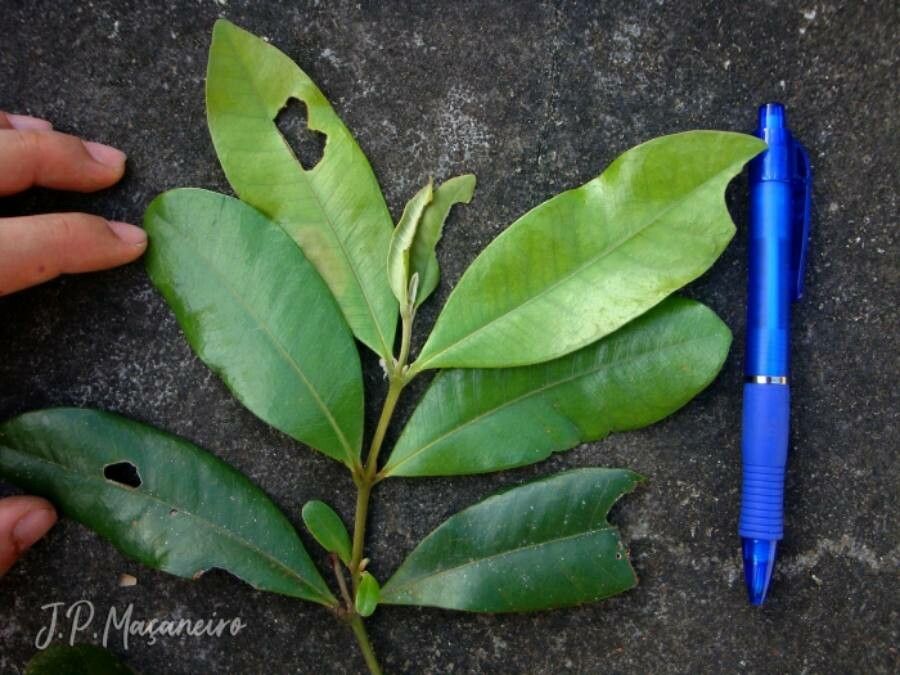
Ah, Myrcia florida! If you’re looking for a touch of the tropics, a plant that’s a little different yet surprisingly adaptable, then this is one you should definitely get to know. Often called Myrciaria floribunda or sometimes jaboticaba’s cousin (though not a true jaboticaba!), this beauty offers lovely white flowers and, on mature plants, edible berries. It’s a fantastic shrub or small tree for containers or a sheltered garden spot. And the joy of growing your own from scratch? Pure gardening gold. Now, is it a beginner-friendly plant to propagate? I’d say it’s moderately easy, leaning towards easy if you pay attention to a few key details.
The Best Time to Start
For Myrcia florida, the sweet spot is generally when the plant is actively growing. This typically means late spring through early summer. You want to work with healthy, new or semi-hardwood stems. Think about growth that’s just starting to firm up, not completely soft and floppy, but not old and woody either.
Supplies You’ll Need
Gathering your tools beforehand makes the whole process smoother. Here’s what I usually have on hand:
- Sharp pruning shears or a clean, sharp knife: For taking clean cuts.
- Rooting hormone: Especially helpful for woody-stemmed plants like this. I prefer the powder form.
- Well-draining potting mix: A good starting point is a blend of perlite, vermiculite, and peat moss or coco coir. Some growers like to add a bit of coarse sand too.
- Small pots or seed trays: Clean ones, of course!
- Plastic bags or a clear propagation dome: To maintain humidity.
- Watering can with a fine rose: For gentle watering.
- Optional: A heat mat: This can really speed things up.
Propagation Methods
I find stem cuttings to be the most reliable and straightforward method for Myrcia florida.
- Select Your Cuttings: Look for healthy stems that are about 4-6 inches long. Gently bend a stem; if it snaps cleanly, it’s likely ready. If it just bends, it’s probably too soft. Remove any lower leaves, leaving just a few at the top. You can even cut larger leaves in half to reduce water loss.
- Prepare the Cuttings: Make a clean, angled cut just below a leaf node (where a leaf attaches to the stem). This is where roots are most likely to form.
- Apply Rooting Hormone: Dip the cut end into the rooting hormone, tapping off any excess.
- Plant Your Cuttings: Gently insert the treated end into your prepared potting mix. Make a small hole with a pencil or skewer to avoid rubbing off the hormone. Firm the soil gently around the base of the cutting.
- Create a Humid Environment: Water the soil thoroughly but gently. Then, cover the pots with a plastic bag or place them under a propagation dome. Make sure the leaves do not touch the plastic – you can use stakes to prop the bag up if needed.
The “Secret Sauce” (Pro Tips)
Here are a couple of things I’ve learned over the years that can really give your cuttings a boost:
- Don’t let the leaves touch the water: If you opt for water propagation (which I find a bit trickier for Myrcia, but possible), ensure only the very bottom of the stem is submerged. Any leaves in the water will quickly rot and can take your cutting down with them.
- Bottom heat is your friend: If you have a heat mat, place your pots on it. This gentle warmth stimulates root growth from below, which is exactly what we want. It’s like a cozy little incubator for your cuttings!
- Cleanliness is king: Always use sterilized tools and pots. Fungal diseases can be a cutting’s worst enemy, and starting clean goes a long way in preventing them.
Aftercare & Troubleshooting
Once your cuttings are potted, place them in a bright spot with indirect light. Avoid direct sun, as it can scorch the delicate new growth or overheat the covered environment. Keep the soil consistently moist but not waterlogged.
You’ll know roots are forming when you see new leaf growth or feel a gentle resistance when you lightly tug on a cutting. This can take anywhere from 4-8 weeks, or sometimes longer.
The biggest sign of trouble is rot. If your cutting turns black and mushy, or develops fuzzy white mold, it’s likely succumbed to disease. This usually happens if the environment is too wet and there’s not enough air circulation, or if the cutting was unhealthy to begin with. If you see signs of rot, remove the affected cutting immediately to prevent it from spreading. Overwatering or letting the soil dry out completely can also lead to failure.
A Encouraging Closing
Growing plants from cuttings is a wonderfully rewarding journey. It’s a little act of faith, placing your trust in a tiny stem to do its thing. Be patient, observe your cuttings closely, and celebrate every tiny bit of progress. Soon enough, you’ll have a whole new family of Myrcia florida, ready to bring a bit of that lovely, fragrant magic to your world. Happy propagating!
Resource:
https://identify.plantnet.org/k-world-flora/species/Myrcia%20florida%20Lem./data