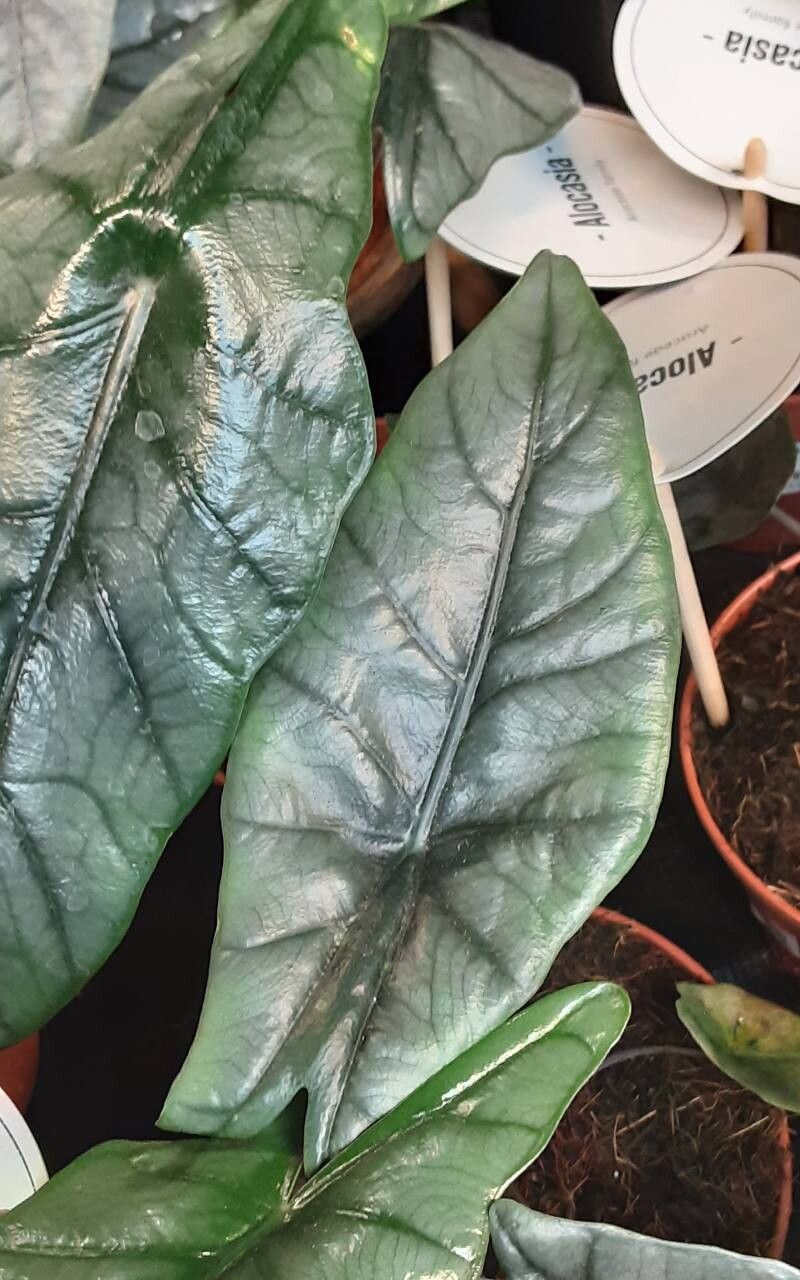
Well hello there, fellow plant enthusiast! If you’ve ever marvelled at the striking, arrow-shaped leaves of an Alocasia heterophylla, you’re not alone. These beauties bring a touch of the tropics right into our homes, with their elegant forms and intricate patterns. Propagating them myself has become one of my favorite little gardening rituals. There’s a special kind of magic in watching a tiny piece of your beloved plant transform into something entirely new.
Now, about difficulty – Alocasia heterophylla can be a little fussy, especially when it comes to propagation. It’s not as straightforward as, say, a pothos, but with a bit of patience and the right approach, it’s absolutely achievable and incredibly rewarding. Don’t let that hold you back!
The Best Time to Start
For Alocasia heterophylla, as with most tropical foliage plants, the warmer months are your golden ticket. Think late spring through early fall. This is when the plant is actively growing and has the energy to produce roots. Trying to propagate when it’s cooler or the plant is less vigorous will significantly decrease your chances of success. So, let those sunny days be your guide!
Supplies You’ll Need
Gathering your tools beforehand makes the whole process so much smoother. Here’s what I always have on hand:
- Sharp, clean pruning shears or a knife: For making clean cuts. Sterilize them with rubbing alcohol to prevent disease.
- Well-draining potting mix: A mix specifically for aroids or houseplants, often with perlite or bark for aeration, works best. Or, you can create your own.
- Perlite and sphagnum moss: Great additions to improve drainage and moisture retention respectively.
- Rooting hormone powder or gel (optional but recommended): This gives your cuttings an extra boost. Find it at most garden centers.
- Small pots or containers: Clean ones, of course! Small terracotta pots are lovely.
- Clear plastic bags or a propagation dome: To create a humid microclimate.
- Spray bottle: For misting.
- Gloves: If you’re sensitive to the sap, which can be an irritant for some.
Propagation Methods
Alocasia heterophylla is most commonly and successfully propagated through division or by taking rhizome cuttings, though stem cuttings can sometimes work.
Method 1: Division
This is usually the easiest and most successful method if your plant is mature enough to have offset.
- Gently remove the parent plant from its pot. Turn the pot on its side and coax the plant out. If it’s stuck, a gentle tap or two might help.
- Carefully examine the root ball. Look for any smaller plantlets or offsets that are already beginning to form their own roots. They will usually be attached to the base of the main plant or growing from the rhizome.
- Gently tease apart the offsets. If they are well-rooted and easy to separate, you can simply pull them apart with your hands. If they’re more attached, use a clean knife to carefully cut them away from the parent plant, ensuring each division has at least one or two healthy roots.
- Pot up your new divisions. Plant each offset in its own small pot filled with your well-draining potting mix.
- Water lightly. Don’t drench them; just provide enough moisture to settle the soil.
- Create a humid environment. Cover the pot with a clear plastic bag or place it under a propagation dome. Place it in a warm spot with bright, indirect light.
Method 2: Rhizome Cuttings
This method is for when your plant has developed a visible rhizome (a thickened underground stem).
- Prepare your parent plant. If you’re repotting, this is a great time to look for rhizomes. If not, you might need to carefully excavate around the base of the plant.
- Locate a healthy rhizome. Look for a plump, firm section of the rhizome. You might see small “eyes” or undeveloped shoots on it.
- Using your sterilized knife, carefully cut sections of the rhizome. Aim for sections that are about an inch or two long, and ideally have at least one “eye” or node from which a new plant can grow.
- (Optional but Recommended) Dust the cut ends with rooting hormone. This helps to stimulate root development.
- Plant your rhizome cuttings. Lay them horizontally on top of your well-draining potting mix or cover them very lightly with a thin layer of soil.
- Pot them up. You can place a few cuttings in a single pot, spaced out.
- Mist lightly. The goal is to keep the surface of the soil barely moist but not soggy.
- Create that humid environment. Cover with a plastic bag or dome. Keep in a warm place with bright, indirect light. Patience is key here!
- For stem cuttings, similar principles apply, but you’ll be looking for sections of stem with at least one node. However, these are often more prone to rot with Alocasia heterophylla.
The “Secret Sauce” (Pro Tips)
Over the years, I’ve learned a few tricks that seem to make all the difference with these finicky plants:
- Don’t drown them! This is probably the most common killer of Alocasia cuttings. The soil needs to be consistently evenly moist, not waterlogged. A good trick is to lift the pot and feel the weight. If it feels light, it’s time to water.
- Bottom heat is your friend. Placing your potted cuttings on a gentle heat mat (designed for plants) can significantly speed up root formation. It mimics the warmth they love from their tropical environment.
- Observe the dew. If you’re using a plastic bag, you’ll notice condensation. If the inside of the bag is constantly beaded with heavy droplets, it’s a sign of too much humidity, which can lead to rot. Open the bag for a few hours to let it air out.
Aftercare & Troubleshooting
Once you see signs of new growth – a tiny leaf unfurling or noticeable roots showing through the drainage holes – your propagation has been successful!
- Gradually introduce them to less humidity. As the new plant grows stronger, you can slowly begin to acclimate it to your home’s typical humidity levels by opening the plastic bag or dome for longer periods.
- Continue with bright, indirect light. Avoid direct sun, which can scorch young leaves.
- Water when the top inch of soil is dry. Continue to use that well-draining mix and avoid overwatering.
Troubleshooting: The biggest culprit is almost always rot. If your cutting turns mushy, black, or starts to slime, it’s usually a sign of overwatering or too much stagnant humidity. Sadly, there’s often no coming back from this. If you see any signs of rot, try to remove the affected part immediately with a clean knife and allow the remaining part to dry out a bit more. Sometimes, fuzzy white mold can appear on the soil surface; this is usually harmless and can be gently scraped off.
Enjoy the Journey!
Propagating Alocasia heterophylla certainly asks for a bit of attention and observation. There might be a failed attempt or two along the way, and that’s okay. Every gardener, no matter how experienced, has those moments! Just remember to be patient, keep them warm, and provide that essential balance of moisture and airflow. Soon enough, you’ll have a whole new jungle of these stunning plants to admire, and that is a truly wonderful feeling. Happy propagating!
Resource:
https://identify.plantnet.org/k-world-flora/species/Alocasia%20heterophylla%20(C.Presl)%20Merr./data