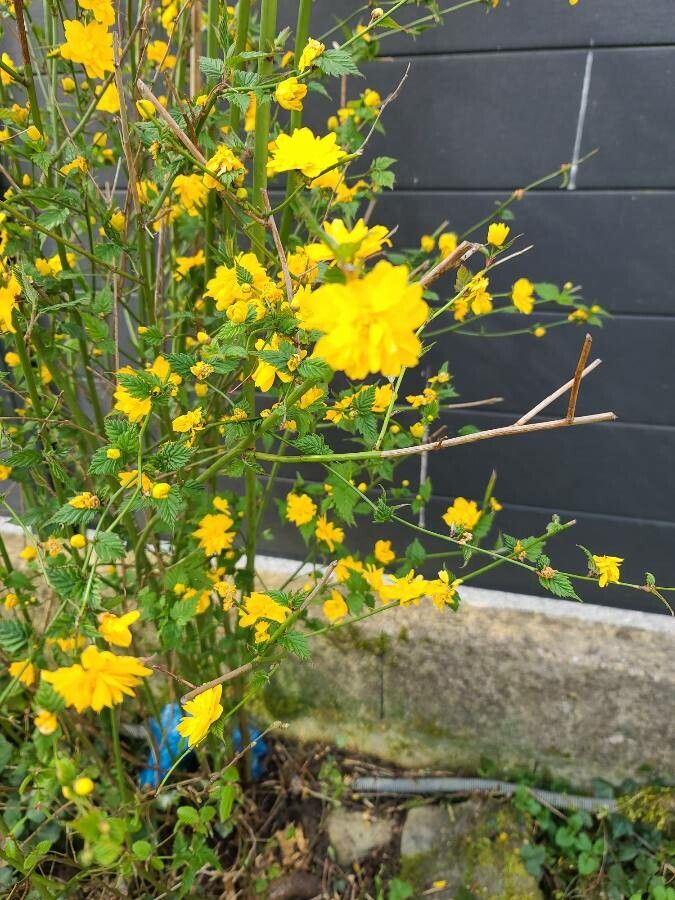
Oh, hello there! Come on in and pull up a chair. Let’s talk about Pavonia sepium, shall we? I’ve always had a soft spot for this lovely little plant. Its vibrantly colored, delicate flowers just bring such cheer, don’t they? And the best part? It’s not one of those finicky divas that makes you feel inadequate. Trust me, if you’re looking for a rewarding propagation project, this is a wonderful place to start. It’s quite forgiving, even for those of you just dipping your toes into the world of plant propagation.
The Best Time to Start
My favorite time to get busy with Pavonia sepium is definitely in the late spring or early summer. Think about it: the plant is in full swing with its growth, soaking up all that lovely warmth and light. This energetic period means it has plenty of resources to put into creating new roots. Aim for stems that are actively growing but aren’t too woody yet – what we often call “semi-hardwood” cuttings.
Supplies You’ll Need
Gathering your tools beforehand makes the whole process smooth sailing. Here’s what I always have on hand:
- Sharp Pruning Shears or a Clean Knife: Essential for making clean cuts that heal well.
- Potting Mix: A well-draining mix is key. I like to use a blend of equal parts peat moss (or coco coir) and perlite. For Pavonia sepium, using a starter mix specifically designed for seed starting or cuttings is also a great option.
- Small Pots or Seed Tray: Clean containers are a must to prevent disease.
- Rooting Hormone (Optional but Recommended): This can give your cuttings a helpful boost.
- Clear Plastic Bag or Humidity Dome: To maintain high humidity around your cuttings.
- Watering Can or Spray Bottle: For gentle watering.
- Labels and a Marker: So you don’t forget what you planted where!
Propagation Methods
There are a few ways to go about this, but stem cuttings are my go-to for Pavonia sepium. They’re reliable and give you a great chance of success.
Stem Cuttings:
- Take Your Cuttings: First, select a healthy stem from your established plant. Using your sharp pruning shears or knife, take cuttings that are about 4 to 6 inches long. Try to select stems with at least two or three sets of leaves. Make your cut just below a leaf node (the point where the leaf attaches to the stem).
- Prepare the Cuttings: Gently remove the leaves from the bottom half of the cutting. You want to expose the nodes, as this is where roots will typically emerge. You can leave the top two leaves on, but it’s always a good idea to cut those larger leaves in half. This reduces water loss through transpiration, which is super important for cuttings. If you’re using rooting hormone, dip the cut end of the stem into it now, tapping off any excess.
- Plant Your Cuttings: Fill your small pots or seed tray with your prepared, moistened potting mix. Make a small hole in the center of the mix with your finger or a pencil. Gently insert the cut end of the stem into the hole, making sure at least one or two leaf nodes are buried in the soil. Firm the soil gently around the stem to ensure good contact.
- Create a Humid Environment: Now, water the soil lightly. Place your pots into a larger plastic bag, gathering the opening to create a mini-greenhouse effect, or place a humidity dome over your tray. Make sure the leaves don’t touch the sides of the bag or dome if possible.
The “Secret Sauce”
Here are a couple of little tricks I’ve learned over the years that really make a difference:
- Bottom Heat is Your Friend: If you have a propagation mat or can place your pots on top of a gently warm appliance (like a router, but be careful!), this provides bottom heat. Roots love warmth, and it encourages them to develop much faster and more reliably than just top warmth.
- Don’t Overcrowd: Even though you want to maximize your chances, don’t cram too many cuttings into one pot. Give them a little space. This improves air circulation and reduces the risk of fungal diseases spreading if one cutting fails.
Aftercare & Troubleshooting
Once your cuttings are planted, place them in a bright spot with indirect light. Avoid direct sun, which can scorch them. Keep the soil consistently moist but not waterlogged. You’ll know it’s time to check for roots in about 4-6 weeks. You can gently tug on a cutting to feel for resistance. If it feels firm, it’s likely rooted!
The main thing to watch out for is rot. If your cuttings start to look mushy, black, or develop mold, it’s usually a sign of too much moisture and not enough air circulation. You might need to increase ventilation, or the cutting might be a goner. Don’t be discouraged if a few don’t make it!
A Encouraging Closing
Propagating Pavonia sepium is such a rewarding way to fill your garden or share with friends. Be patient, keep an eye on your little ones, and celebrate each success. You’ve got this! Happy planting!
Resource:
https://identify.plantnet.org/k-world-flora/species/Pavonia%20sepium%20A.St.-Hil./data