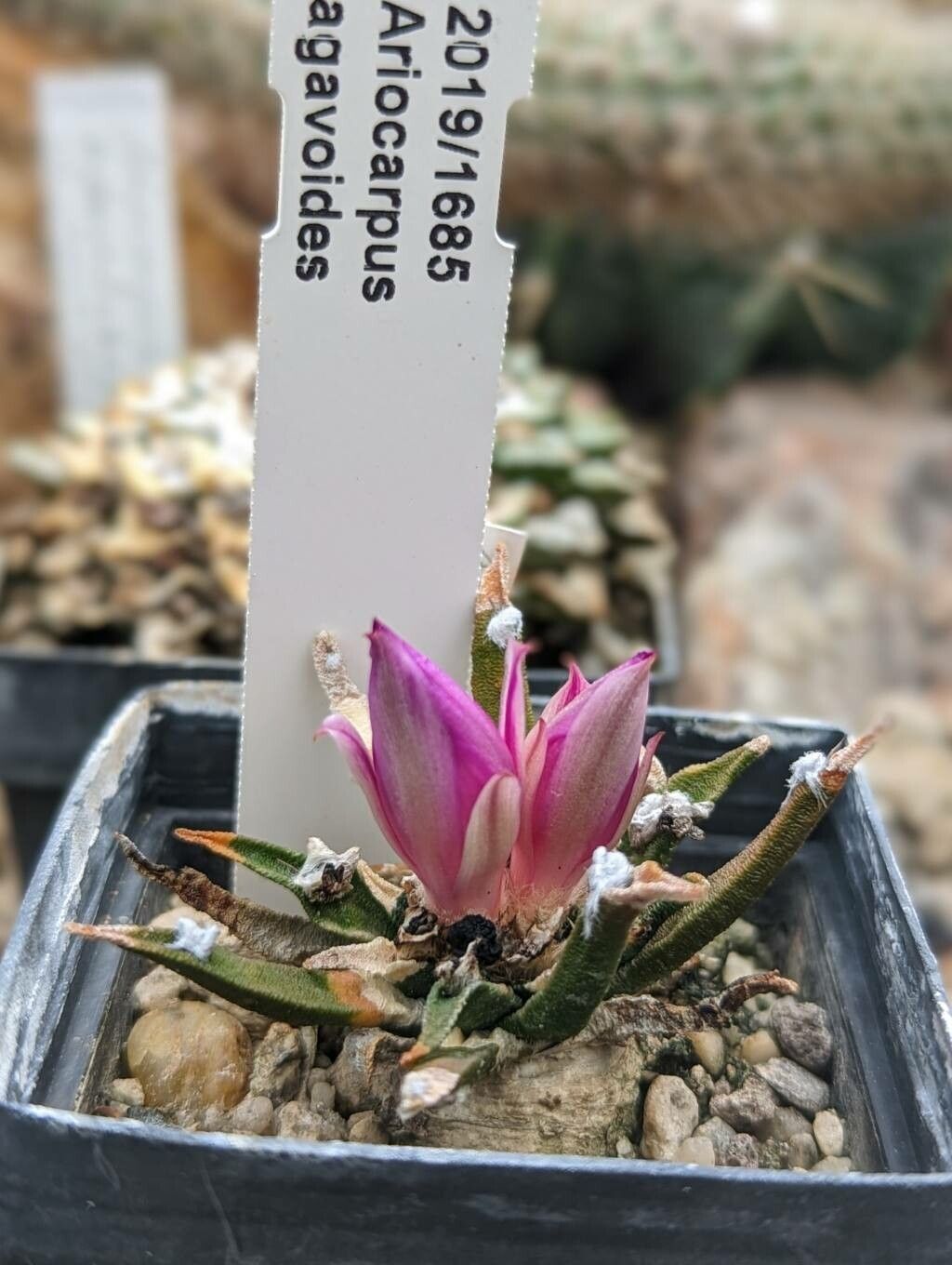
Oh, Ariocarpus agavioides! What a charmer. If you’ve ever seen one of these beauties, you know exactly what I mean. They have this wonderfully sculptural, almost alien look to them, with those amazing, bumpy tubercles. Growing something so unique from scratch? It truly is a special kind of satisfaction. Now, I won’t lie to you, Ariocarpus can be a little bit of a patient plant, and propagating them isn’t usually the “set it and forget it” type of situation. They lean towards the more challenging end of the spectrum, but that’s what makes it so rewarding when you finally see those tiny little plants start to form! Don’t let that deter you; with a little care and attention, you can absolutely succeed.
The Best Time to Start
For Ariocarpus agavioides, the springtime is your best friend. Think of it as their wake-up call after a long winter’s nap. As the days get longer and warmer, and they start to actively grow, that’s when they’re most receptive to having babies. Aim for when you see active growth picking up – usually from late March through May, depending on where you live. This is when they have the energy to put into rooting and developing new tissues.
Supplies You’ll Need
Gathering your supplies beforehand makes the whole process so much smoother. Here’s what I always keep on hand:
- Well-draining soil mix: A cactus and succulent mix is a good start, but I like to amend it. Think 50% perlite or pumice added to a good quality potting soil. The key is airflow and keeping moisture away from the plant’s base.
- Sharp, sterilized cutting tool: This could be a clean razor blade, a sharp knife, or even pruning shears. Sterilize them with rubbing alcohol before and after use to prevent disease.
- Rooting hormone (optional but helpful): A powdered rooting hormone can give your cuttings a little extra boost.
- Small pots or seed trays: These should have drainage holes, of course.
- Watering can with a fine rose or misting bottle: We want gentle watering, not a flood.
- Labels and a pen: Trust me, you’ll thank yourself later for labeling your efforts!
- A warm, bright location: This could be a sunny windowsill or under grow lights.
Propagation Methods
Ariocarpus agavioides are typically propagated from offsets or pups that the mother plant produces. While you can attempt seed propagation, it’s a much slower and more specialized process. For most home growers, focusing on offsets is the way to go.
Here’s how I do it:
- Identify a healthy offset: Look for a small plantlet that has formed near the base of your mature Ariocarpus. It should look plump and healthy. Make sure it’s a decent size – not just a tiny nub.
- Carefully separate the offset: This is where your sharp, sterilized tool comes in. Gently tease away the soil around the base of the offset. You want to get a clean break or cut as close to the mother plant as possible, ideally with one of its own root nubs attached, if it has any. If it comes away clean without roots, don’t panic; we can coax roots on it.
- Allow the offset to callus: This is a CRITICAL step. Place the removed offset in a dry, airy spot for at least 3-5 days, or even longer if the humidity is high. You want the cut surface to dry out and form a protective scab, or callus. This prevents rot when you plant it.
- Plant the offset: Once callused, you can plant your offset. Insert the callused end into your well-draining soil mix. You can lightly press the soil around it to give it some stability. I usually plant them so that the base is just touching the soil surface, or barely buried.
- Be patient with watering: DO NOT water immediately. Wait another week or two after planting before giving it its first light watering. This gives the cut surface any chance to fully heal and minimizes the risk of rot. Water gently, just enough to moisten the soil.
The “Secret Sauce” (Pro Tips)
Here are a few little tricks I’ve picked up over the years that can make a big difference:
- Don’t over-pot: When planting your offset, use a pot that is just slightly larger than the plant itself. Too much soil can hold too much moisture, and Ariocarpus hate wet feet.
- Bottom heat is a game-changer: While not strictly necessary, placing your planted offsets on a gentle seedling heat mat can significantly speed up root development. Keep the mat on a low setting so it’s just slightly warm to the touch.
- Observe your callus: Before you even consider planting, really inspect that cut surface. It should look dry and papery. If it still looks a bit moist or slimy, give it more time to dry out. Better to wait longer than to risk losing the pup to rot.
Aftercare & Troubleshooting
Once you’ve planted your offset and given it its first gentle drink, the waiting game begins. Keep it in a bright, but not scorching hot, location. You’ll want to water sparingly at first, only when the soil is completely dry. The frequency will increase as the plant grows and roots establish.
The most common problem you’ll encounter is rot. This usually happens if the cutting or offset hasn’t callused properly, or if you’ve watered too soon or too much. If you see your offset starting to look mushy, yellow, or develop dark spots, it’s likely rot setting in. If it’s a small rot, you might be able to cut away the rotted part with a sterilized knife and let the healthy tissue callus again. But often, it’s a sign that the plant has succumbed.
Another sign of success is when you see new growth appearing, or tiny little white root hairs peeking out from the drainage holes. Be gentle; these are new and fragile!
A Encouraging Closing
Propagating Ariocarpus agavioides is a journey that asks for patience, and that’s part of its charm. Don’t get discouraged if your first attempt isn’t an instant success. Every plant is a learning opportunity. Celebrate the small victories, like a perfectly callused cutting or the first hint of root growth. Enjoy the process of nurturing these fascinating plants, and soon you’ll have a whole new generation of these little desert gems to admire. Happy propagating!
Resource: