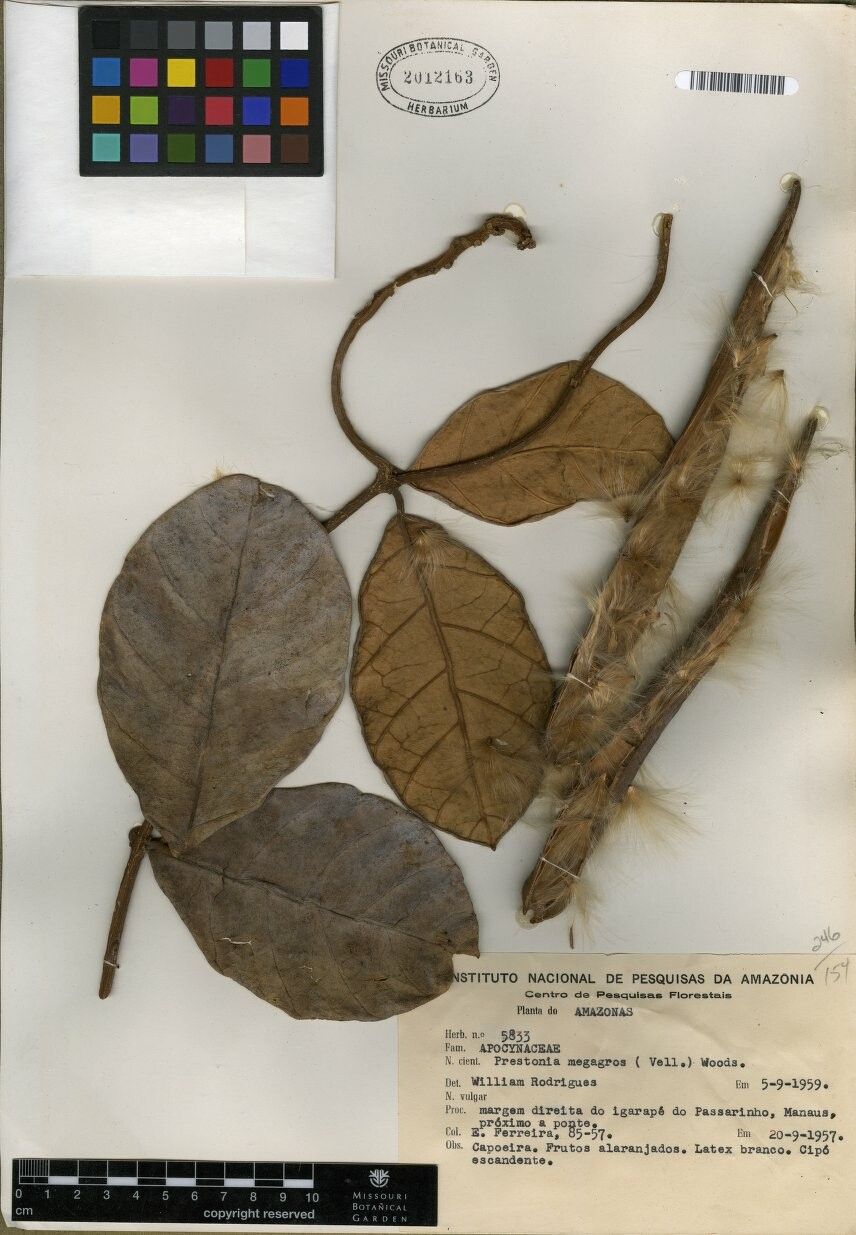
Oh, Prestonia megagros! What a beauty! If you’ve ever admired those rich, deep green leaves and the promise of a vibrant, healthy plant, you’re not alone. I’ve spent years coaxing these beauties to grow, and let me tell you, the satisfaction of creating a new Prestonia from a tiny cutting is just… well, it’s gardening gold.
While I wouldn’t call Prestonia an absolute beginner plant, it’s definitely within reach for those willing to give it a little focused attention. Think of it as a plant that rewards your patience and care. And honestly, the reward of doubling or tripling your Prestonia collection is totally worth it!
The Best Time to Start
For the highest success rates with Prestonia megagros, late spring to early summer is your sweet spot. This is when the plant is in its most active growth phase, meaning those new stems are full of energy and ready to root. You want to work with stems that are pliable but not too soft – the ones that have just finished their most vigorous growth spurt.
Supplies You’ll Need
- Sharp, clean pruning shears or a keen knife: Sanitation is key to preventing disease.
- Rooting hormone (optional but recommended): I like to use a powdered one, but liquid works too. It just gives your cuttings that extra boost.
- A well-draining potting mix: I personally love a blend of equal parts coco coir, perlite, and a good quality potting soil. You can also buy a commercial seed-starting or propagation mix.
- Small pots or seed trays: Make sure they have drainage holes.
- A clear plastic bag or a propagation dome: This helps create that humid environment your cuttings crave.
- Water: For watering and, if you choose, water propagation.
- Labeling stakes: Don’t forget to mark what you’ve planted and when!
Propagation Methods
Let’s break down the easiest ways to get more Prestonia magic happening.
Stem Cuttings: My Go-To
This is the most reliable method for Prestonia.
- Take your cuttings: Find healthy, non-flowering stems. Using your clean shears, cut a piece that’s about 4-6 inches long. Make the cut just below a leaf node (where a leaf attaches to the stem).
- Prepare the cuttings: Gently remove the lower leaves from the bottom half of the cutting. This prevents them from rotting when they’re in the soil or water. Leave just a few leaves at the top. If your remaining leaves are large, you can cut them in half horizontally to reduce water loss through transpiration.
- Apply rooting hormone: Dip the cut end of each stem into your rooting hormone, tapping off any excess.
- Plant your cuttings: Fill your small pots with your prepared potting mix. Make a hole with your finger or a pencil and gently insert the cutting so the leaf nodes are buried in the soil. Firm the soil gently around the stem.
- Water gently: Give them a good watering, but don’t drench them. You want the soil to be consistently moist, not waterlogged.
- Create a humid environment: Place the pots into a plastic bag (seal it, but leave a small opening for air circulation) or cover them with a propagation dome. This is crucial for keeping the humidity high.
- Provide bright, indirect light: Find a spot with plenty of light, but out of direct sun, which can scorch the delicate cuttings.
- Wait and watch: Keep the soil consistently moist. It can take anywhere from 4-8 weeks for roots to establish. You’ll know they’re ready when you see new leaf growth.
Water Propagation: A Visual Treat
This method is less common for Prestonia, but it can work if you’re patient and careful.
- Prepare cuttings: Follow steps 1 and 2 from the stem cuttings method.
- Place in water: Put your cuttings in a jar or glass of clean water. Crucially, make sure the leaves are NOT submerged in the water. Only the stem nodes should be in contact with the water.
- Change water regularly: Change the water every few days to keep it fresh and prevent bacterial growth.
- Locate them: Place the jar in a bright spot with indirect light, just like with soil propagation.
- Root emergence: You’ll be able to see the roots forming, which is quite rewarding. Once the roots are about an inch long, you can then carefully transplant them into a well-draining potting mix following steps 4-8 from the stem cuttings method.
The “Secret Sauce” (Pro Tips)
- The “Wiggle Test”: After a few weeks, gently (and I mean gently) tug on a cutting. If you feel any resistance, that’s a good sign roots are starting to form! Don’t pull too hard, though; you don’t want to disturb developing roots.
- Bottom Heat is Your Friend: If you have a seedling heat mat, placing your pots on it can significantly speed up root development. It mimics the warmth of spring soil, giving those roots the encouragement they need.
- Don’t Over-Humidity: While humidity is vital, too much stagnant air can lead to fungal issues. Ensure there’s some air circulation, either by slightly opening your bag or dome daily, or by using a small fan on a low setting nearby.
Aftercare & Troubleshooting
Once you see that joyful new growth, it’s time to acclimate your propagates.
- Acclimation: Gradually introduce your rooted cuttings to less humid conditions. If they were in a plastic bag, start by opening it up more each day over a week. Eventually, remove the bag completely.
- Watering: Water only when the top inch of soil feels dry. Overwatering is the quickest way to kill a new propagate.
- Fertilizing: Wait until you see consistent new growth before offering a very diluted liquid fertilizer (about half strength).
- Signs of Trouble:
- Wilting and Yellowing Leaves: This can be a sign of underwatering or too much direct sun.
- Soft, Mushy Stems: This is almost always a sign of root rot from overwatering or poor drainage. Unfortunately, severe rot is hard to recover from. Prevention is key here!
- No Growth After Weeks: Don’t despair! Some plants are slower than others. Keep providing consistent conditions, and be patient.
A Little Encouragement
Growing plants from cuttings is a journey of patience and keen observation. There will be times when things don’t go exactly as planned, and that’s okay. Each attempt is a learning experience. So, gather your supplies, find those healthy stems, and give it a go. The joy of watching a new Prestonia megagros spring to life from your own efforts is truly one of the most rewarding aspects of this green-thumbed life. Happy propagating!
Resource:
https://identify.plantnet.org/k-world-flora/species/Prestonia%20megagros%20(Vell.)%20Woodson/data