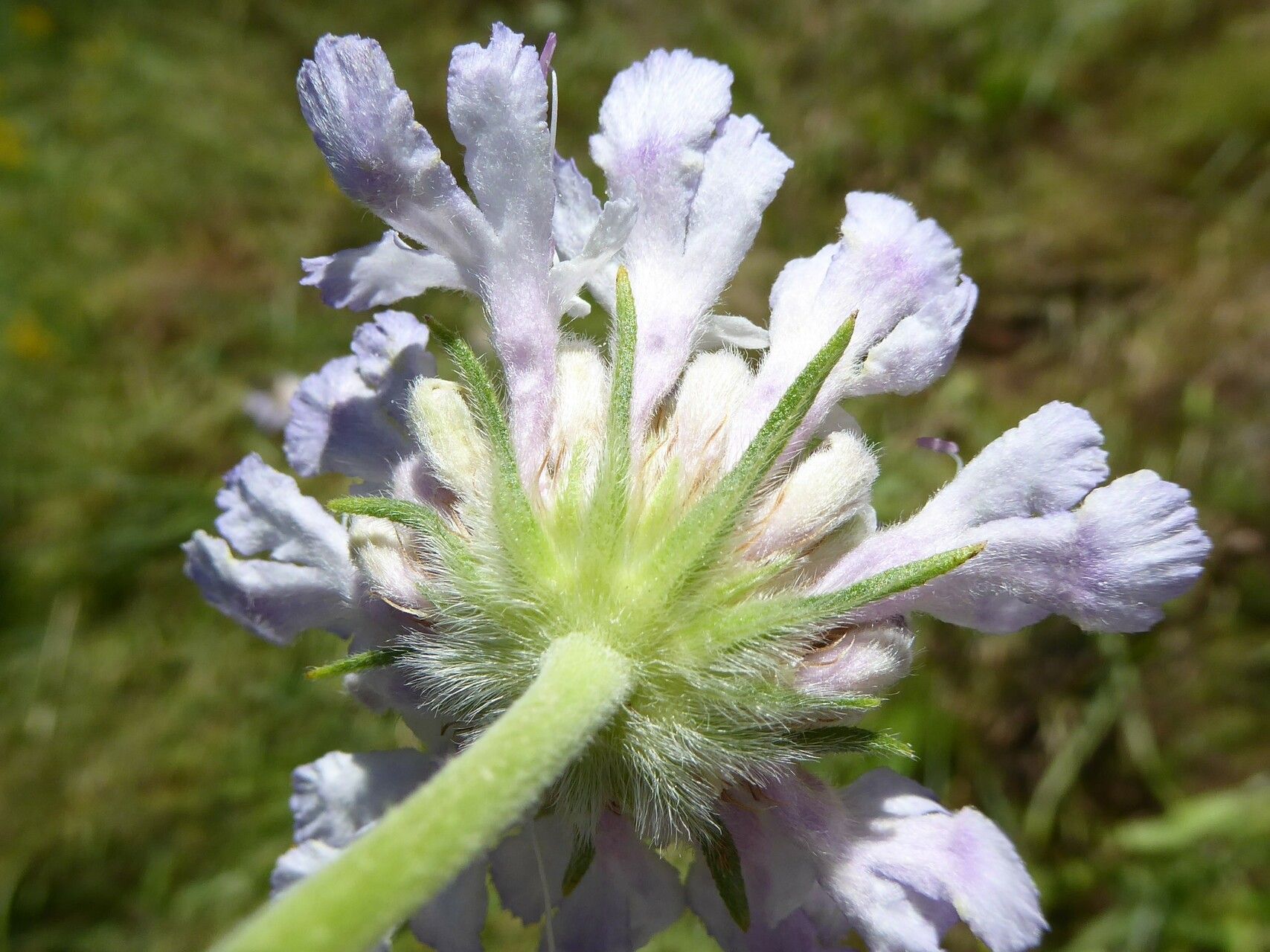
Oh, Lomelosia songarica! If you’ve ever spotted this beauty in a garden, you know exactly what I mean. Its delicate, fluffy blooms have a way of capturing your heart, adding this wonderful airy elegance to borders and containers. And the best part? Getting more of them for yourself is a deeply satisfying journey. Growing new plants from existing ones is one of my favorite horticultural rituals, and Lomelosia is a joy to propagate. For beginners, I’d say it’s moderately easy. With a little attention to detail, you’ll be well on your way.
The Best Time to Start
When it comes to Lomelosia, the sweet spot for propagation is typically late spring to early summer. That’s when the plant is actively growing, and you’ll find the energy it needs to put out strong stems for cuttings or to divide happily. Aim for stems that are semi-hardwood – meaning they’ve started to mature and firm up a bit, but aren’t fully woody. This stage usually occurs after the initial flush of spring growth.
Supplies You’ll Need
Before we dive in, let’s gather our tools. Having everything ready makes the process so much smoother!
- Sharp, clean pruning shears or a craft knife: For making precise cuts.
- Rooting hormone (powder or gel): While not strictly essential for some plants, it can give Lomelosia a real boost.
- A well-draining potting mix: I like a blend of equal parts peat moss or coco coir and perlite. You can also find specific seed-starting or propagation mixes.
- Small pots or trays: With drainage holes, of course! Individual small pots are great for cuttings.
- Plastic bags or a propagator: To create a humid microclimate for your cuttings.
- Watering can with a fine rose or spray bottle: To water gently.
- Labels and a waterproof pen: To keep track of your projects!
Propagation Methods
Let’s get our hands dirty! Lomelosia can be propagated quite successfully using a couple of different methods.
Stem Cuttings
This is my go-to method for Lomelosia, and it’s incredibly effective.
- Take Your Cuttings: In late spring or early summer, select healthy, non-flowering stems. Using your clean shears or knife, cut stems about 4-6 inches long. Make your cut just below a leaf node (where a leaf attaches to the stem).
- Prepare the Cuttings: Gently remove the lower leaves, leaving just a few at the top. If you have, say, four or five sets of leaves, you’ll want to strip off the bottom two. This prevents them from rotting in the soil and encourages root development from the nodes.
- Apply Rooting Hormone: Dip the cut end of each stem into your rooting hormone, tapping off any excess.
- Plant Your Cuttings: Fill your small pots with your prepared potting mix. Make a small hole in the center of the soil with a pencil or your finger. Insert the cutting, and gently firm the soil around it.
- Create Humidity: Water the soil thoroughly but gently. Then, cover the pot with a clear plastic bag, propping it up with a smallStake so it doesn’t touch the leaves. You can also use a propagator lid.
Division
If your Lomelosia plant has become a bit vigorous, dividing it is a wonderful way to get new plants and refresh the parent.
- Exhume Your Plant: The best time for division is usually in early spring before significant new growth appears, or in early autumn after flowering has finished. Carefully dig up your Lomelosia plant. Try to get as much of the root ball as possible.
- Inspect and Separate: Gently shake off excess soil. You should be able to see natural divisions in the root system. Use your hands or a clean trowel to carefully pull the root ball apart into sections. Each section should have a good portion of roots and at least a few healthy shoots.
- Replant: Plant each division directly into its new home, whether that’s a pot or a spot in your garden. Water it well.
The “Secret Sauce” (Pro Tips)
Now, here are a few little tricks I’ve picked up over the years that can really make a difference for Lomelosia.
- Don’t let the leaves touch the water (if doing water propagation): While Lomelosia does root in water, I find it’s often more prone to rot that way. If you absolutely want to try water, ensure only the stem is submerged, and change the water every few days. Personally, I stick to soil for this plant.
- Bottom heat is your friend: If you have a propagator or can place your pots on a heat mat designed for plants, this really speeds up root formation. Lomelosia roots are like little sun-lovers and appreciate that warmth from below.
- Observe the “snapping” point: For semi-hardwood cuttings, when you gently bend a stem, it should snap cleanly. If it bends without breaking, it’s too soft. If it’s very woody and brittle, it’s probably too old.
Aftercare & Troubleshooting
Once your cuttings have started to root – you’ll see new growth emerging from the top, or you can give a gentle tug and feel resistance indicating root formation – it’s time for a little TLC.
Gradually acclimatize your new plants to the open air by opening the propagator or plastic bag for increasingly longer periods each day over a week or so. Once they are fully acclimated, you can care for them much like you would a mature Lomelosia: bright light, well-draining soil, and water when the top inch of soil feels dry.
The biggest enemy of cuttings is rot. If you see your cuttings turning black and mushy, it’s often a sign of too much moisture and not enough air circulation. Ensure your soil mix is very well-draining and don’t overwater. If you suspect rot, you might have to discard the affected cutting to prevent it from spreading. It’s disappointing, but it happens to all of us!
A Little Bit of Patience Goes a Long Way
Propagating Lomelosia songarica is a truly rewarding experience. Watching those tiny roots form and new growth emerge is a testament to nature’s resilience and your own growing skills. Don’t get discouraged if your first attempt isn’t a runaway success. Gardening is a journey of learning and observation. Be patient, enjoy the process, and soon you’ll have a whole clump of these delightful flowers to share (or keep all to yourself!). Happy growing!
Resource:
https://identify.plantnet.org/k-world-flora/species/Lomelosia%20songarica%20(Schrenk)%20Soják/data