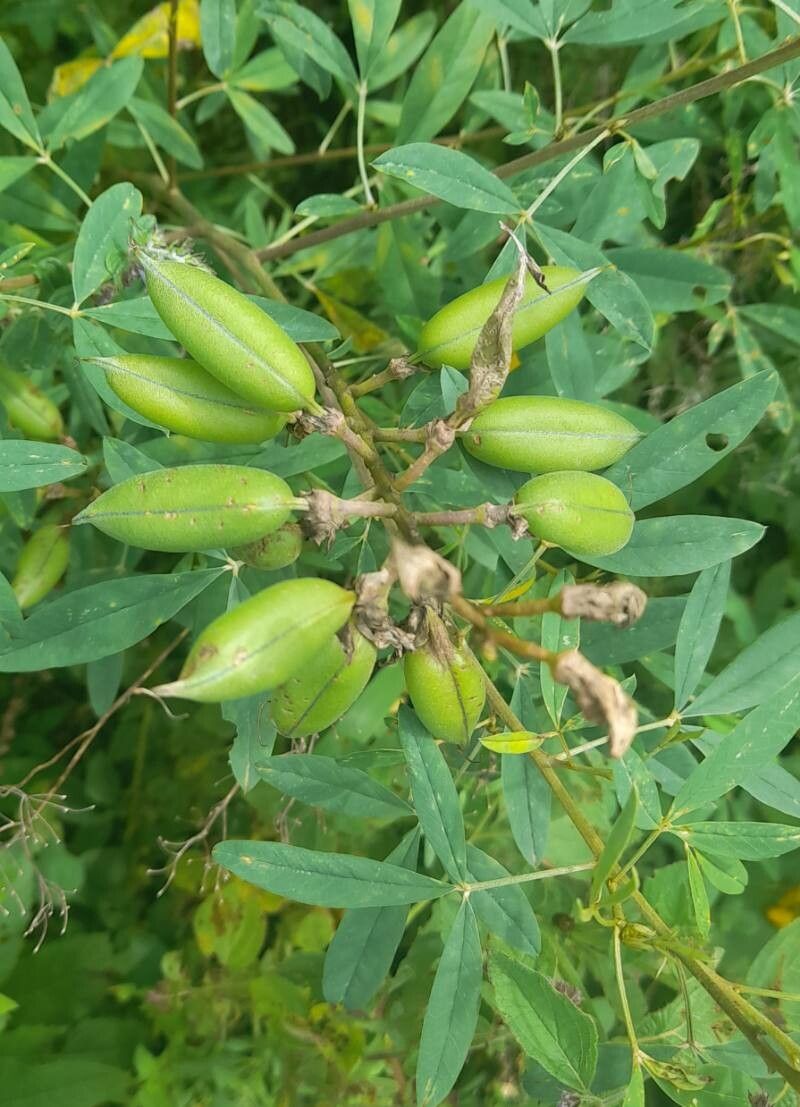
Hey there, fellow plant lovers! Let’s talk about a real gem in the garden, Crotalaria maypurensis. If you’re looking for a splash of vibrant color and a touch of the exotic, this is your gal. Her showy yellow blooms are just stunning, and the good news? Propagating her is a truly rewarding endeavor. For beginners, I wouldn’t say she’s a cinch, but with a little attention, you’ll absolutely be successful. It’s a journey worth taking!
The Best Time to Start
Honestly, the sweet spot for propagating Crotalaria maypurensis is when she’s actively growing, usually in the late spring or early summer. Think of it as her prime energetic phase. This is when she has the most juice to put into those new roots. You want to take cuttings from healthy, non-flowering stems. New growth is great, but slightly mature, but still flexible stems tend to root the best for me.
Supplies You’ll Need
Before we dive in, let’s make sure you have your toolkit ready. It’s always good to be prepared!
- Sharp Pruning Shears or a Clean Knife: Crucial for clean cuts that heal well.
- Potting Mix: A light, well-draining mix is key. I like a blend of peat moss or coco coir, perlite, and a bit of regular potting soil. About a 1:1:1 ratio usually does the trick.
- Small Pots or Seedling Trays: Clean ones are a must to prevent disease.
- Rooting Hormone (Optional but Recommended): This gives your cuttings an extra boost. Look for one with indole-3-butyric acid (IBA).
- Plastic Bag or Humidity Dome: To keep those cuttings nice and moist.
- Water: For keeping things hydrated.
- Spray Bottle: For a gentle misting.
Propagation Methods
Let’s get our hands dirty! Crotalaria maypurensis is a good candidate for stem cuttings, which is usually my go-to method.
Stem Cuttings:
- Select Your Cuttings: Find a healthy, established plant. Look for stems that are about 4-6 inches long and have at least a few sets of leaves. You want them to be firm but not woody.
- Make Your Cut: Using your sharp shears or knife, make a clean cut just below a leaf node (where a leaf attaches to the stem). This is where the magic of root development really happens.
- Prepare the Cutting: Gently remove the lower leaves, leaving just a couple of leaves at the top. This helps prevent rot and directs the plant’s energy towards rooting. If the remaining leaves are very large, you can even cut them in half to reduce water loss.
- Apply Rooting Hormone (Optional): Dip the cut end of the stem into your rooting hormone powder. Tap off any excess.
- Plant Your Cuttings: Fill your small pots or trays with your prepared potting mix. Make a small hole with your finger or a pencil, and gently insert the cutting. Firm the soil around the base to ensure good contact.
- Water Gently: Water the soil thoroughly but avoid over-watering. You want the soil to be consistently moist, not soggy. A good watering can with a fine rose or a spray bottle works well.
- Create a Humid Environment: Cover the pot with a plastic bag secured with a rubber band or place it under a humidity dome. Pop it in a warm spot with bright, indirect light. Avoid direct sun, which can scorch the delicate cuttings.
The “Secret Sauce” (Pro Tips)
Here are a couple of things I’ve learned over the years that really make a difference:
- Don’t Let the Leaves Touch the Water: This is huge if you’re trying water propagation, but it’s also important with soil. If your setup is a bit humid and condensation gathers on leaves, it can lead to fungal issues. I often do a light misting of the leaves in the morning, but ensure there’s good airflow to let them dry off a bit.
- A Little Warmth Goes a Long Way: Crotalaria loves a bit of warmth. If your rooting area feels a bit cool, I highly recommend using a heating mat specifically for plants. Placing it under your pots can significantly speed up root development. You don’t want it hot, just pleasantly warm to the touch.
Aftercare & Troubleshooting
Once your cuttings have started to show signs of life – new leaf growth is a fantastic indicator – it’s time to adjust their care.
- Acclimatize: Gradually remove the plastic bag or humidity dome over a few days. This helps them adjust to normal humidity.
- Watering: Continue to keep the soil consistently moist, but not waterlogged. Check the soil moisture by sticking your finger about an inch deep. If it feels dry, it’s time to water.
- Light: Keep them in bright, indirect light. As they grow stronger, you can slowly introduce them to a little more direct sunlight, but always watch for signs of scorching.
- Transplanting: Once the roots have filled the pot and you can see them coming out of the drainage holes (or you gently tease a cutting out to check), it’s time to transplant them into slightly larger pots.
Now, what if things go wrong? The most common culprit is rot. If your cutting turns mushy and brown, or if you see black spots on the stem, that’s a sign of too much moisture and not enough airflow. Sadly, you’ll likely have to discard it and start again. Don’t despair! It’s all part of the learning process.
A Little Patience, a Lot of Joy
Propagating Crotalaria maypurensis is a beautiful way to get more of these cheerful plants for your garden. It takes a bit of care and observation, but seeing those tiny roots develop and new growth emerge is incredibly satisfying. Be patient with yourself and the process. Enjoy the journey, and before you know it, you’ll have a whole little squadron of these gorgeous yellow bloomers! Happy growing!
Resource:
https://identify.plantnet.org/k-world-flora/species/Crotalaria%20maypurensis%20Kunth/data