Let’s Grow More of Those Spiny Beauties: Propagating Echinocereus scopulorum
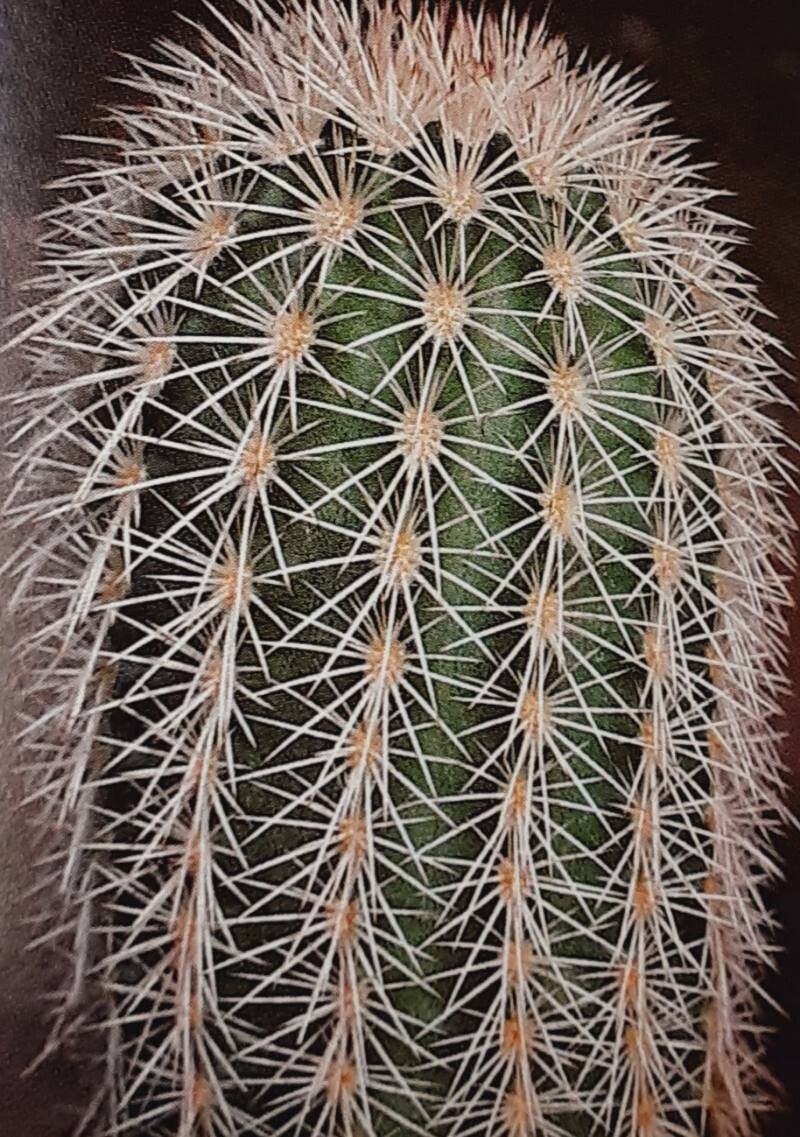
There’s something truly special about Echinocereus scopulorum. Its segmented stems, often adorned with a lovely pinkish hue and those irresistible bristly spines, make it a real standout in any cactus collection. And the best part? Growing more of these gems yourself is incredibly rewarding. You get to share them with friends, fill out your own garden, and just experience the magic of coaxing new life from an existing plant. Now, to be upfront, Echinocereus scopulorum isn’t what I’d call a “chuck-it-in-the-dirt-and-walk-away” kind of cactus to propagate. It requires a bit of attention and care, especially for beginners. But don’t let that deter you! With a little guidance, you’ll be well on your way to success.
When to Get Your Hands Dirty
The best time to propagate your Echinocereus scopulorum is during its active growing season, which generally falls in late spring through early summer. This is when the plant has the most energy to heal and put forth new roots. You’re looking for healthy, mature segments that are firm and show no signs of stress. Trying to propagate in the heat of peak summer or when things are cooling down for winter can be more challenging.
What You’ll Need to Get Started
Here’s a little rundown of what I usually have on hand when I’m propagating cacti:
- Sharp, clean pruning shears or a sterile knife: You want a clean cut to prevent disease. I always wipe mine down with rubbing alcohol between cuts.
- A well-draining cactus and succulent potting mix: This is non-negotiable! A good blend will contain things like perlite, pumice, and coarse sand. I often mix my own, but a good commercial blend works too.
- A shallow, well-draining container: Terra cotta pots are fantastic for cacti because they allow for good air circulation.
- Rooting hormone (optional but recommended): This can give your cuttings a little boost. Look for one specifically for succulents and cacti.
- A small brush (like a paintbrush): Useful for dusting off excess soil and later for gently cleaning the baby plant.
- Newspaper or paper towels: Handy for letting cuttings callous over.
- A watering can with a fine rose or a spray bottle: For gentle watering.
Giving Your Cuttings a New Home
For Echinocereus scopulorum, the most reliable method is stem cuttings. Here’s how I do it:
- Prepare Your Cut: Using your clean pruning shears or knife, make a clean cut where you want to divide a stem segment. Aim for a section that’s at least a few inches long and looks vigorous.
- Let it Callous: This is a crucial step! I immediately place the cut end of the segment on a clean sheet of newspaper in a bright, dry location out of direct sunlight for about 5-10 days. You want the cut end to dry and form a protective scab, or callous. This prevents rot when it goes into the soil.
- Planting the Cutting: Once calloused, I lightly dip the calloused end into rooting hormone, tapping off any excess. Then, I gently insert the calloused end about an inch or two deep into my prepared cactus mix in your shallow pot. Do NOT water immediately.
- First Watering: I wait another 2-3 days after planting before giving the pot a very light watering. I aim to moisten the soil around where the cutting is planted, but I avoid waterlogging. A spray bottle is great for this initial misting.
The “Secret Sauce” for Success
Over the years, I’ve learned a few tricks that make a big difference:
- Patience is Key with Callousing: Don’t rush the callousing process. If you plant a cutting that hasn’t fully calloused, your chances of rot skyrocket. Feel the cut end – it should be dry and firm to the touch.
- Gentle Wicking, Not Soaking: When you do water, err on the side of too little rather than too much. The goal is for the soil to be slightly moist, encouraging roots to seek out moisture. I often use a bottom-watering method for the first few weeks, allowing the pot to soak up water for about 30 minutes. This encourages downward root growth.
- A Little Warmth Helps: If you have a propagation mat, placing your potted cuttings on it can be a game-changer. A gentle bottom heat encourages root development much faster than ambient room temperature alone. Just make sure it’s not too hot – think cozy, not scorching.
Aftercare and What to Watch For
Once your cutting is planted, keep it in a bright spot with indirect light. Avoid harsh, direct sun, which can scorch the developing plant. I usually wait a good 3-4 weeks before even thinking about trying to gently tug on the cutting. If it offers some resistance, congratulations, roots are forming!
The biggest enemy of new cactus cuttings is rot. You’ll know if you have a problem if the cutting starts to look mushy, turns dark and translucent, or smells unpleasant. If this happens, sadly, it’s usually best to discard the infected piece to prevent it from spreading. Overwatering is the most common culprit, so always let the soil dry out between waterings.
Keep Growing!
Propagating Echinocereus scopulorum is a journey, not a race. There will be times when a cutting doesn’t make it, and that’s okay. Every seasoned gardener has had those moments! But the thrill of seeing those first tiny roots emerge and watching a new segment grow into a full plant is absolutely worth the effort. So, grab your tools, get a little soil under your fingernails, and enjoy the process of bringing more of these spiny wonders to life. Happy growing!
Resource: