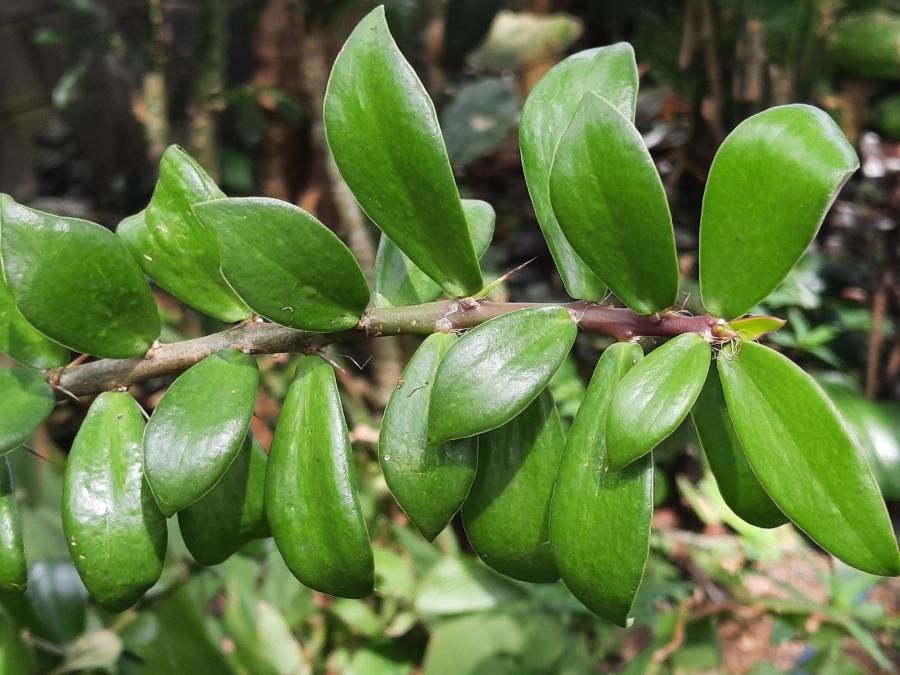
Oh, hello there! I’m so glad you’re interested in Leuenbergeria lychnidiflora. It’s truly a charming plant, isn’t it? With those delicate, star-shaped flowers and its somewhat architectural form, it brings a unique kind of beauty to any collection. And the best part? It’s remarkably rewarding to grow more of them yourself!
For us plant lovers, there’s a special joy in watching a tiny cutting transform into a thriving specimen. It’s like having a little piece of gardening magic in your hands. If you’re new to this, don’t worry. While it has its quirks, propagating Leuenbergeria lychnidiflora isn’t overly difficult. With a little care and attention, you’ll be successful.
The Best Time to Start
Timing is everything, as they say, and for Leuenbergeria lychnidiflora, the spring and early summer are your golden window. This is when the plant is actively growing, full of vigor, and has the best energy reserves to put into rooting. Aim for after the last frost, when temperatures are consistently warm but before the intense heat of mid-summer.
Supplies You’ll Need
Gathering your supplies beforehand makes the whole process much smoother. Here’s what I’ve found works best:
- Sharp Pruning Shears or a Clean Knife: For making clean cuts.
- Rooting Hormone (Optional but Recommended): Especially for stem cuttings. A powder or gel works fine.
- Well-Draining Potting Mix: A cactus and succulent mix is ideal. You can also create your own by mixing equal parts of potting soil, perlite, and coarse sand.
- Small Pots or Containers: Clean ones, of course! Drainage holes are a must.
- Gloves: Some plants can be a bit sticky.
- Watering Can with a Fine Rose or Spray Bottle: For gentle watering.
- A Warm Location: A sunny windowsill or a heated propagation mat.
Propagation Methods
There are a couple of reliable ways to get new Leuenbergeria lychnidiflora plants:
Stem Cuttings
This is my go-to method, and it’s quite straightforward.
- Take Your Cuttings: In spring or early summer, select a healthy stem that’s a few inches long. Using your sharp pruners or knife, make a clean cut just below a leaf node. Remove any lower leaves so that you have a bare stem section for planting.
- Let Them Callus: This is a crucial step! Place the cuttings in a dry, airy spot for 2-3 days. This allows the cut end to dry and form a protective callus, which helps prevent rot.
- Apply Rooting Hormone (Optional): If using, lightly dip the callused end of the cutting into your rooting hormone powder or gel, tapping off any excess.
- Plant Your Cuttings: Fill your small pots with your well-draining mix. Make a small hole in the center with your finger or a pencil. Insert the callused end of the cutting into the hole, ensuring it’s firm enough to stand upright. Gently firm the soil around it.
- Water Carefully: Water the soil very lightly, just enough to moisten it. Overwatering at this stage is the quickest way to invite rot.
Water Propagation
This method can be satisfying as you watch the roots develop.
- Prepare Your Cuttings: Similar to stem cuttings, take a healthy stem cutting a few inches long. Remove all but the top few leaves.
- Place in Water: Put the cutting in a small glass or jar filled with clean water. Make sure the water level is high enough to cover the leaf nodes where roots will form, but ensure no leaves are submerged. If leaves touch the water, they will rot.
- Change Water Regularly: Change the water every few days to keep it fresh and oxygenated.
- Provide Light: Place the container in bright, indirect light.
- Pot Up Once Rooted: Once you see small roots developing (usually after a few weeks), carefully transplant the cutting into a pot with your well-draining soil mix. Water sparingly.
The “Secret Sauce” (Pro Tips)
Here are a couple of tricks I’ve learned over the years that can really boost your success:
- The Power of Bottom Heat: New cuttings love a little warmth from below. If you have a propagation mat, place your pots on it. Even a sunny windowsill where the pot gets warm can make a big difference in encouraging root development. It mimics the warm soil a plant would naturally find.
- Don’t Mist Constantly! While humidity can be helpful, over-misting can lead to fungal issues. Instead of spraying the leaves, I often create a mini-greenhouse effect by placing a clear plastic bag loosely over the pot. This traps in humidity without direct water on vulnerable leaves. Just remember to vent it for an hour or two every couple of days to allow for air circulation.
Aftercare & Troubleshooting
Once your cuttings have established roots (you can gently tug them; if there’s resistance, they’re rooted!), it’s time for a little more involved care.
- Gradual Acclimation: If you used the plastic bag method, start by removing it for longer periods. Gradually expose your new plants to the ambient humidity of your home.
- Watering: Water your new plants when the soil is dry to the touch. Err on the side of underwatering rather than overwatering.
- Light: Continue to provide bright, indirect light. As they grow stronger, you can slowly introduce them to more direct sunlight.
- Troubleshooting: The most common problem you’ll encounter is rot. If a cutting mushies out, turns black, or smells foul, it’s likely rotted. This is usually due to too much moisture and not enough airflow. Ensure your soil drains well, and try to employ the callus-over and bottom heat tips next time. If you see wilting that doesn’t improve with watering, it could also be root rot.
A Word of Encouragement
Propagating plants is a journey, not a race. There will be times when a cutting doesn’t make it, and that’s perfectly okay. Every attempt is a learning experience! Don’t get discouraged. Just be patient, observe your little charges, and enjoy the wonderful process of bringing new life into your garden. Happy propagating!
Resource: