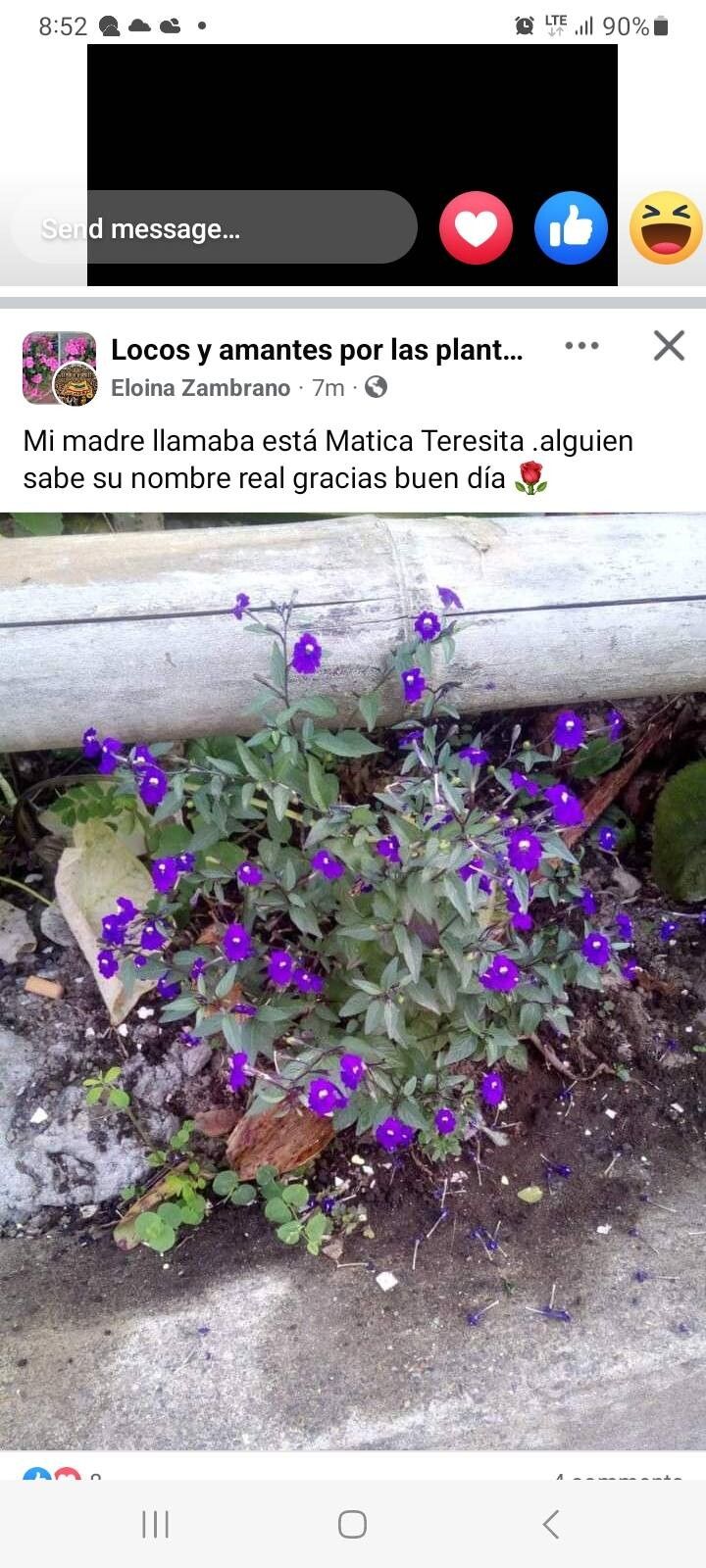
Hello, fellow garden enthusiasts! It’s so lovely to be able to share my passion for plants with you all today. We’re going to dive into the wonderful world of Browallia americana, often called “Bush Violet” or “Love Plant.”
If you’re drawn to those pretty, star-shaped flowers in shades of blue, violet, or white, you’re not alone! Browallia brings a touch of delicate charm to hanging baskets, containers, or even as a groundcover in warmer climates. And guess what? Propagating this beauty is surprisingly rewarding, and honestly, it’s a pretty beginner-friendly project. You’ll be happily sharing your Browallia babies with friends in no time!
The Best Time to Start
For the most success, I always recommend starting your Browallia propagation in the late spring or early summer. This is when the plant is in its most vigorous growth phase. You’ll find it easier to take healthy cuttings, and those cuttings will readily root with the warmer temperatures and longer daylight hours. Trying to propagate at other times of the year is possible, but you might find your success rate dips a bit.
Supplies You’ll Need
Gathering your tools beforehand makes the whole process much smoother. Here’s what I like to have on hand:
- Sharp pruning shears or a clean knife: For taking nice, clean cuttings.
- Rooting hormone (optional but helpful): A little boost can encourage faster root development.
- Well-draining potting mix: I usually use a blend of peat moss, perlite, and a bit of compost. You can also find specialized seed-starting or cutting mixes.
- Small pots or seed trays: Clean ones are key to preventing disease.
- Plastic bags or a propagation dome: To create a humid environment.
- Watering can with a fine rose or a spray bottle: For gentle watering.
- An empty glass for water propagation: If you choose that method.
Propagation Methods
Browallia americana is adaptable, and I’ve had great luck with a couple of methods. Let’s explore them:
Stem Cuttings
This is my go-to method for Browallia. It’s straightforward and produces strong, new plants.
- Select your source: Look for a healthy, non-flowering stem on your mature Browallia plant. You want a stem that feels firm but not woody.
- Take the cutting: Using your sharp shears or knife, make a clean cut just below a leaf node (where a leaf attaches to the stem). Aim for cuttings that are about 4 to 6 inches long.
- Prepare the cutting: Gently pinch off the lower leaves. You want to expose a few nodes along the bottom of the stem, as this is where roots will emerge. Leave about 2-3 sets of leaves at the top.
- Dip in rooting hormone (optional): If you’re using rooting hormone, dip the cut end of the stem into the powder or gel. Tap off any excess.
- Plant the cutting: Fill your small pots with your well-draining potting mix. Make a small hole in the center with your finger or a pencil. Insert the cutting into the hole, ensuring the lower nodes are buried in the soil. Gently firm the soil around the base of the cutting.
- Water gently: Water thoroughly but gently, so you don’t dislodge the cutting.
- Create humidity: Cover the pot with a clear plastic bag or place it under a propagation dome. This creates a mini-greenhouse, keeping the humidity high, which is crucial for cuttings to root. Make sure the plastic doesn’t touch the leaves if possible.
Water Propagation
This is a bit more visual and can be very satisfying to watch.
- Prepare the cutting: Follow steps 1-3 from the stem cutting method above.
- Place in water: Put the prepared cuttings directly into a clean glass or jar filled with fresh water. Make sure the leaf nodes are submerged, but do not let the leaves touch the water. This can lead to rot.
- Find a bright spot: Place the glass in a location that gets bright, indirect light.
- Change water regularly: Change the water every few days to keep it fresh and prevent bacterial growth.
The “Secret Sauce” (Pro Tips)
Here are a few little tricks I’ve learned over the years that really help get those cuttings off to a flying start:
- Bottom Heat is Your Friend: If you have the option, placing your pots on a heated propagation mat can significantly speed up root formation. Those warmer soil temperatures encourage root cells to develop much faster.
- Don’t Be Afraid to Pinch: Once your cuttings have rooted and you see new growth, pinch back the tips of the stems. This encourages the plant to branch out, resulting in a bushier, fuller plant rather than a leggy one.
- Patience with Water Propagation: When rooting in water, resist the urge to plant the cutting the moment you see a tiny root. Wait until the roots are at least an inch long before transplanting into soil. This gives them a better chance of survival in their new environment.
Aftercare & Troubleshooting
Once your cuttings have developed a good root system (you’ll see new leaves and growth, or feel gentle resistance when you tug lightly on the cutting), it’s time for them to graduate from their humid nursery.
- Acclimate gradually: If you’ve been using a plastic bag or dome, gradually remove it over a few days to let your new plants adjust to the normal humidity of your home.
- Pot them up: Transplant your rooted cuttings into slightly larger pots filled with your regular potting mix.
- Water consistently: Water them as you would your mature Browallia plants – keep the soil consistently moist but not waterlogged.
- Provide good light: Continue to offer them bright, indirect light.
Troubleshooting: The most common issue you might face is rot. This usually happens if your soil is too wet, or if the cuttings sit in stagnant water for too long. If you see a stem turning black and mushy at the base, sadly, that cutting is likely lost. Don’t be discouraged! Just remove it and try again, ensuring better drainage and air circulation next time. Yellowing leaves on a new cutting can mean it’s not getting enough light or too much water.
A Encouraging Closing
There you have it! Propagating Browallia americana is a wonderful way to multiply your enjoyment of these lovely plants. Be patient with the process – nature works on its own timeline. The joy of watching a tiny cutting transform into a new, thriving plant is truly one of gardening’s simple pleasures. Happy propagating!
Resource:
https://identify.plantnet.org/k-world-flora/species/Browallia%20americana%20L./data