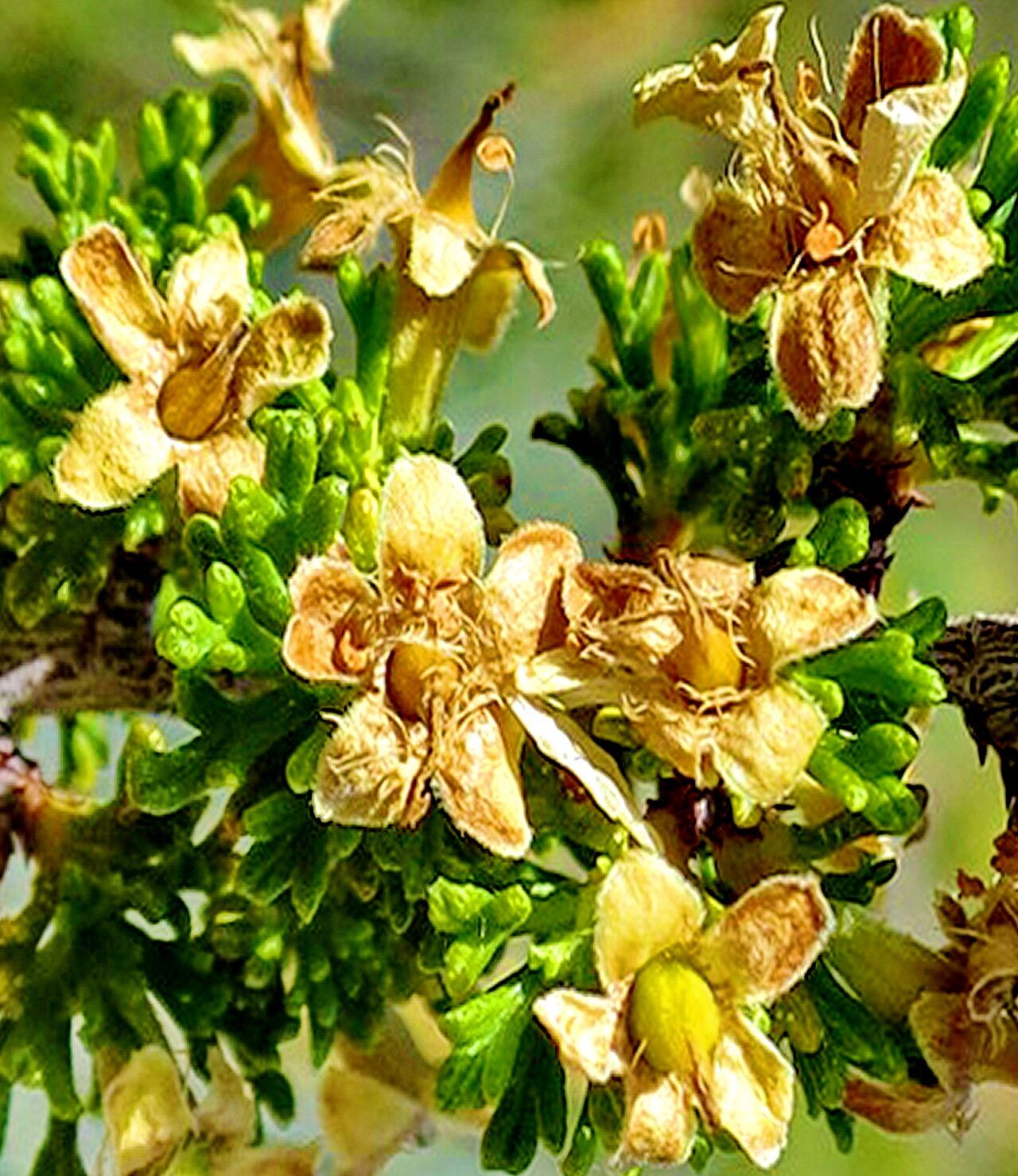
Well hello there, fellow plant enthusiasts! It’s lovely to chat with you today about a Western native I’ve come to adore: Purshia glandulosa, or as it’s often called, Desert Bitterbrush. If you appreciate plants that offer a touch of arid elegance, with delicate, silvery foliage and charming little yellow flowers, then you’re going to love this one. And the best part? Learning to propagate it yourself is a truly rewarding journey. For those of you just dipping your toes into propagation, I’d say Desert Bitterbrush can be a moderately rewarding challenge. It’s not the absolute easiest, but with a little attention, you’ll be well on your way to success.
The Best Time to Start
When it comes to getting your Purshia glandulosa off to a good start, late spring to early summer is your golden window. This is when the plant is actively growing but before the heat of midsummer really ramps up. You’ll want to take cuttings from new, semi-hardened growth. Look for stems that are still a bit flexible, not stiff and woody, but also not entirely soft and leafy.
Supplies You’ll Need
Before we dive in, let’s gather our tools. This way, we’re prepared and ready to go:
- Sharp pruning shears or a clean knife: For making clean cuts.
- Rooting hormone powder or gel: This is a real booster, though not always strictly necessary.
- A porous potting mix: I like a blend of sterile potting soil, perlite, and a bit of coarse sand. You want excellent drainage!
- Small pots or propagation trays: With drainage holes, of course.
- Plastic bags or a propagation dome: To create a humid environment.
- Optional: A heat mat: This can really speed up root development.
Propagation Methods
Right, let’s talk about getting those new plants started. For Purshia glandulosa, I find stem cuttings to be the most reliable method.
- Prepare Your Cuttings: Using your clean shears, take cuttings that are about 4-6 inches long. Make the cut just below a leaf node (where a leaf meets the stem). Remove the lower leaves, leaving just a few at the top.
- Apply Rooting Hormone: Dip the cut end of the stem into your rooting hormone. Gently tap off any excess.
- Plant the Cuttings: Fill your small pots with your well-draining mix. Make a hole with a pencil or your finger, and insert the cutting. Gently firm the soil around the base to ensure good contact.
- Create Humidity: Water the soil thoroughly but gently. Then, cover the pot with a plastic bag (propped up with a skewer or two so it doesn’t touch the leaves) or place it under a propagation dome.
- Placement: Put your pots in a bright location that receives indirect sunlight. If you’re using a heat mat, place the pots on it.
The “Secret Sauce” (Pro Tips)
Now, for a few insider tricks that I’ve picked up over the years:
- Sterilize Everything: Before you even start, wipe down your tools with rubbing alcohol. This prevents the spread of any nasty little diseases that could derail your efforts.
- Bottom Heat is Your Friend: If you can provide gentle warmth from below using a heat mat, you’ll find your cuttings root much, much faster. They absolutely love it! Think of it as a cozy little greenhouse for their roots.
- Don’t Overwater: This is crucial for Desert Bitterbrush. They hate soggy feet. You want the soil to be consistently moist, but never waterlogged. Check it regularly.
Aftercare & Troubleshooting
Once your cuttings have hopefully developed roots (you can gently tug on them to test – if there’s resistance, you’re likely good to go!), it’s time to transition them. Very carefully remove the plastic cover gradually over a few days to acclimatize them to normal humidity. Continue to water them, allowing the soil to dry slightly between waterings.
The most common sign of trouble is rot. If your cuttings turn mushy and black, it’s usually a sign of too much moisture and not enough air circulation. If you see this, try to remove the affected cutting immediately and ensure your soil is even more free-draining. Some yellowing of the lower leaves can be normal as the plant redirects energy to root growth, but if the whole cutting looks distressed, it’s worth checking your watering habits again.
A Encouraging Closing
Propagating plants, especially those with a bit of a wild spirit like Desert Bitterbrush, is a lesson in patience and observation. Don’t get discouraged if your first attempt isn’t a roaring success. Each cutting, each attempt, is a learning opportunity. Embrace the process, enjoy the quiet satisfaction of nurturing new life, and soon you’ll be sharing these beautiful plants with friends and family. Happy propagating!
Resource:
https://identify.plantnet.org/k-world-flora/species/Purshia%20glandulosa%20Curran/data