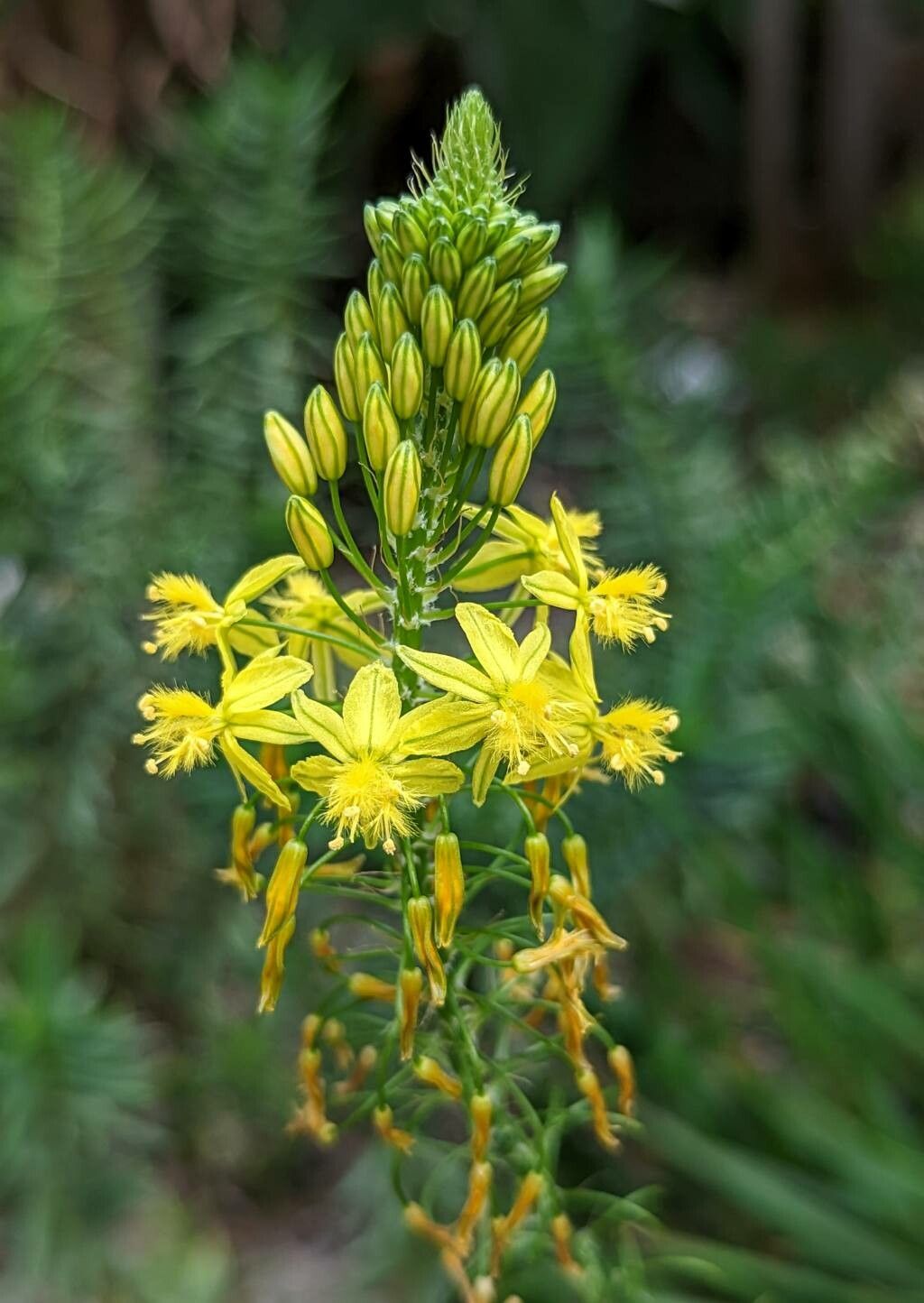
Hey there, fellow plant enthusiasts! I’ve got a little gem to talk about today: Bulbine asphodeloides. If you’ve seen this beauty with its cheerful, star-shaped flowers and succulent-like leaves, you’re probably already smitten. It brings such a vibrant burst of color and a touch of the exotic to any garden or indoor space. And the best part? Propagating it is surprisingly straightforward and incredibly rewarding. Honestly, I’d say it’s an excellent choice for beginners dipping their toes into the world of plant propagation. You get to witness new life emerge right before your eyes, and soon enough, you’ll have more of these charmers to share!
The Best Time to Start
When it comes to getting these guys going, spring is generally your golden ticket. This is when the plant is bursting with vigor, putting on new growth and getting ready for its prime flowering season. You’ll want to propagate when the plant is actively growing, not when it’s dormant or stressed from extreme heat or cold. Look for healthy, mature stems that haven’t flowered yet, or newly emerging shoots.
Supplies You’ll Need
Gathering your tools beforehand makes the whole process much smoother. Here’s what I always have on hand:
- Sharp pruning shears or a clean, sharp knife: For making clean cuts.
- A well-draining potting mix: I like a blend of regular potting soil with plenty of perlite or coarse sand. A cactus or succulent mix works wonderfully too.
- Small pots or trays: Anything that can hold your cuttings and the soil. Terracotta pots are great because they breathe.
- Rooting hormone (optional but helpful): It gives those new roots a little nudge.
- Watering can or spray bottle: For gentle watering.
- Labeling stakes or tags: So you don’t forget what you’ve planted where!
Propagation Methods
Bulbine asphodeloides is pretty forgiving, and there are a couple of easy ways to multiply your collection.
Stem Cuttings
This is my go-to method. It’s quick, effective, and you usually get a high success rate.
- Take your cuttings: Using your sharp shears or knife, select a healthy, mature stem from your existing plant. Aim for cuttings that are about 4-6 inches long. Make a clean cut just below a leaf node (where a leaf attaches to the stem).
- Prepare the cutting: Gently remove any leaves from the bottom half of the cutting. This prevents them from rotting when they’re in the soil. If you’re using rooting hormone, dip the cut end into it now, tapping off any excess.
- Plant your cuttings: Fill your small pots or trays with your well-draining potting mix. Make a small hole in the soil with your finger or a pencil.
- Insert the cuttings: Place the cut end of the Bulbine cutting into the hole and gently firm the soil around it. You can plant multiple cuttings in the same pot, just give them a little space.
- Water lightly: Give the soil a gentle watering. You want it to be moist but not waterlogged. A light misting with a spray bottle is also a good option initially.
- Find a good spot: Place your pots in a bright location with indirect sunlight. Avoid harsh, direct sun, which can scorch the young cuttings.
Division
If your Bulbine has become a bit of a clump, division is a fantastic way to get more plants.
- Gently remove the plant: Carefully lift the entire plant out of its pot or from the ground.
- Inspect the root ball: Gently shake off excess soil to get a good look at the roots. You’ll likely see distinct sections or crowns.
- Separate the divisions: Using your hands or a clean knife, gently pull or cut apart the root ball into smaller sections. Each section should have at least a few stems and a healthy portion of roots.
- Replant: Pot up each division into its own container filled with your well-draining potting mix. Water lightly as you did with stem cuttings.
The “Secret Sauce” (Pro Tips)
Over the years, I’ve picked up a few tricks that seem to make all the difference:
- Let them callous: After taking stem cuttings, I like to let the cut end dry out for a day or two before planting. This ‘callousing’ helps prevent rot and encourages stronger root development. You can lay them on a paper towel in a dry, shady spot.
- Bottom warmth is your friend: If you’re propagating in a cooler environment, placing your pots on a heated propagation mat can really speed up root formation. It mimics the warmth of spring soil.
- Don’t baby them too much: While you want to keep the soil moist, don’t drown them. Overwatering is the fastest way to end up with mushy, rotted cuttings. Let the top inch of soil dry out slightly between waterings.
Aftercare & Troubleshooting
Once your cuttings have started to root – you’ll usually see new growth or feel some resistance when you gently tug on a stem – it’s time to shift gears a bit.
Continue to water them when the top inch of soil feels dry. Gradually introduce them to more sunlight, but still, avoid intense midday sun for the first few weeks. If you used rooting hormone, you might not need to worry about it much, but if you skipped it, you can give them a diluted liquid fertilizer about a month after they’ve rooted.
The most common issue you’ll encounter is rot. If you see your cuttings turning mushy, black, or starting to smell funky, it’s almost always due to too much moisture. Sadly, a rotted cutting is usually a goner, so it’s best to discard it and ensure your next attempts have better drainage and watering routines. Another sign of trouble can be cuttings that just refuse to root, shriveling up instead of growing. This could be due to lack of moisture, insufficient light, or sometimes just a bit of bad luck.
A Encouraging Closing
So there you have it! Propagating Bulbine asphodeloides is a simple pleasure that yields beautiful results. Be patient, trust the process, and don’t get discouraged if every single one doesn’t make it. Gardening is all about learning, experimenting, and enjoying the journey. With a little care and these tips, you’ll be well on your way to having a whole garden full of these delightful plants! Happy propagating!
Resource:
https://identify.plantnet.org/k-world-flora/species/Bulbine%20asphodeloides%20(L.)%20Spreng./data