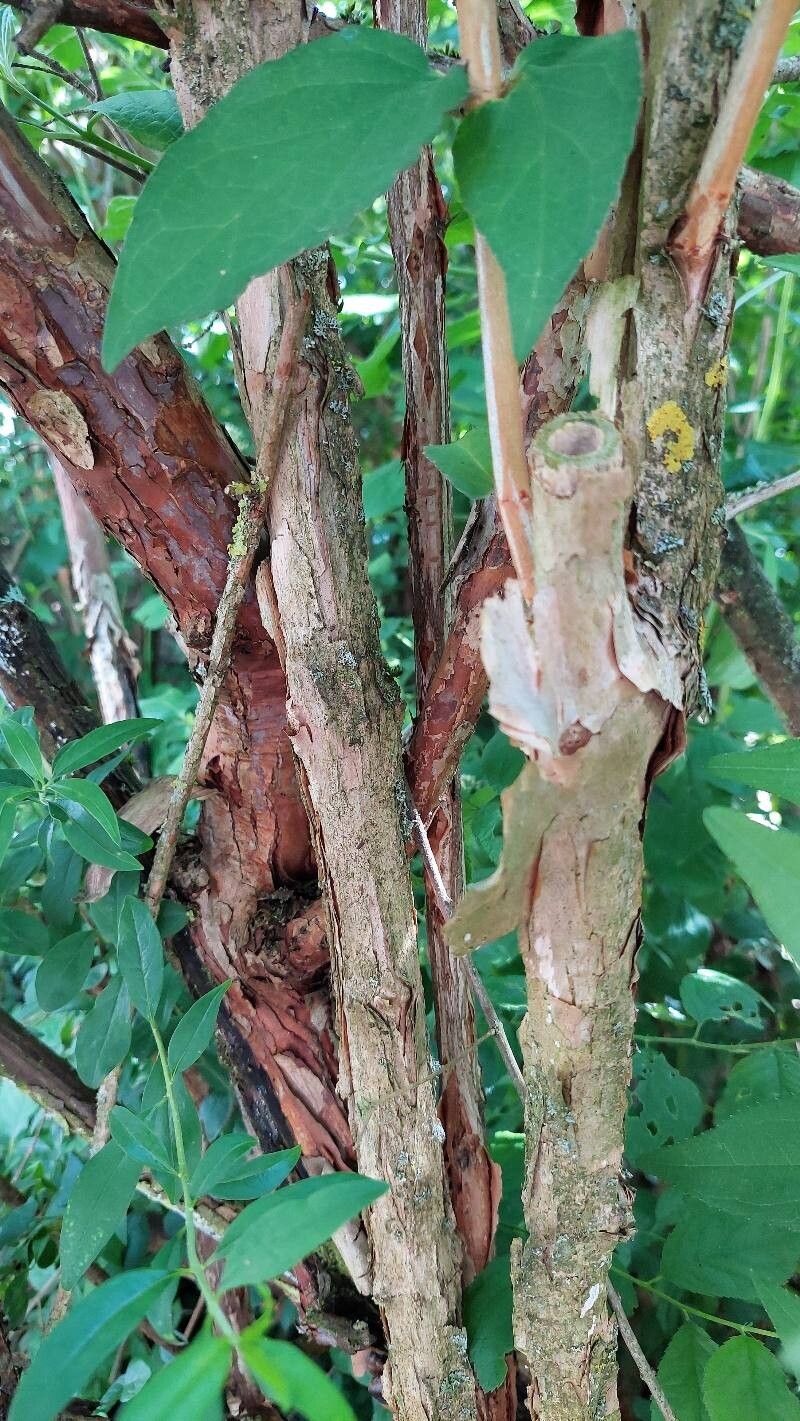
Oh, Deutzia scabra! If you’ve ever admired those cascades of delicate, star-shaped flowers tumbling from this lovely shrub, you know exactly why I’m so excited to talk about propagating it today. I’ve spent countless hours coaxing new life from cuttings, and there’s a special kind of magic in watching a tiny twig transform into a healthy young plant. Deutzia scabra is a wonderfully rewarding plant to grow, and sharing that joy by propagating it is even better. Honestly, if you’re new to this gardening adventure, Deutzia scabra is a pretty forgiving friend to start with. You’ll likely find success much sooner than you think!
The Best Time to Start
Timing is everything, as they say, and for Deutzia scabra, that’s especially true. The absolute sweet spot for taking softwood cuttings is typically in late spring to early summer. This is when the new growth is still flexible and full of youthful vigor, making it eager to root. Aim for stems that have started to firm up a bit but aren’t yet woody. If you miss that window, you can also try semi-hardwood cuttings in mid to late summer. Just be a little more patient with these; they can take a touch longer to establish.
Supplies You’ll Need
Gathering your tools beforehand makes the whole process smoother. Here’s what I always have on hand:
- Sharp pruning shears or a clean, sharp knife: For making clean cuts. A dull tool can crush the stem, making rooting much harder.
- Rooting hormone powder or gel: This isn’t strictly necessary for Deutzia scabra, as they root quite readily, but it can definitely give you an extra boost and speed things up.
- A good quality potting mix: I prefer a light, well-draining mix. A blend of peat moss and perlite, or a specialized seedling starting mix, works beautifully.
- Small pots or seed trays: Clean pots are key to preventing disease.
- Watering can with a fine rose: To water gently without disturbing your cuttings.
- Plastic bags or a propagator lid: To create a humid environment.
- Labels and a marker: Trust me, you’ll thank yourself later!
Propagation Methods
Let’s get our hands dirty! For Deutzia scabra, the most straightforward and successful method is stem cuttings.
- Taking the Cuttings: In late spring or early summer, select healthy, non-flowering shoots from your Deutzia. Using your sharp shears, make a clean cut just below a leaf node (where a leaf joins the stem). You want cuttings that are about 4-6 inches long. Remove any lower leaves, leaving just two or three at the top. You can also carefully strip a little bark from the bottom inch of the stem if you’re feeling ambitious, which can encourage root formation, but it’s usually not needed for Deutzia.
- Preparing the Cuttings: If you’re using rooting hormone, dip the bottom inch of each cutting into the powder or gel. Tap off any excess.
- Planting the Cuttings: Fill your small pots or trays with your prepared potting mix. Moisten the mix thoroughly; it should feel damp, not soggy. Make a small hole in the center of each pot with your finger or a pencil. Insert the bottom of each cutting into the hole, making sure at least one leaf node is buried beneath the surface. Gently firm the soil around the cutting.
- Creating a Humid Environment: Water the cuttings again lightly. Cover the pots with a clear plastic bag or place them under a propagator lid. This will trap moisture and keep the humidity high, preventing the leaves from drying out before roots form. Ensure the leaves aren’t touching the plastic. You can prop up the bag with small sticks if needed.
- Placement: Place your pots in a bright, indirect light location. Avoid direct sunlight, which can scorch the delicate cuttings. A warm spot is ideal.
The “Secret Sauce” (Pro Tips)
Here are a couple of little tricks I’ve picked up over the years that can really make a difference:
- Bottom Heat is Your Friend: If you have space, placing your pots on a gentle heated propagator mat can significantly speed up root development. It mimics that warm, spring soil and encourages roots to emerge much faster. Just make sure it’s not too hot; it should feel pleasantly warm to the touch.
- Don’t Rush the Transplant: I know it can be tempting to see those first little leaves looking robust and think they’re ready to go. But wait! Gently tug on a cutting. If you feel resistance from the roots, it’s ready. If it pulls out easily, it hasn’t rooted yet. Patience is key here; giving them a few extra weeks to build a strong root system will save you heartache later.
Aftercare & Troubleshooting
Once you see those first signs of new growth peeking out, or when you feel that encouraging resistance upon a gentle tug, your Deutzia cuttings have likely rooted!
- Acclimating: Gradually introduce your rooted cuttings to less humid conditions. Start by opening the plastic bag for a few hours each day, then remove it completely after a week or so. Continue to keep them in bright, indirect light.
- Watering: Water them when the top inch of soil feels dry to the touch. Always water from the bottom if possible to avoid disturbing the developing roots.
- Repotting: Once they have a good root ball that fills their current pot, you can transplant them into slightly larger pots with a good quality potting mix.
- Signs of Trouble: The most common issue you’ll encounter is rot. If a cutting turns black and mushy, it’s usually a sign of too much moisture and not enough air circulation. Ensure your potting mix is well-draining and that your cuttings aren’t sitting in water. If you see yellowing leaves with no new growth, it might mean they haven’t rooted or are not getting enough light.
A Little Encouragement
Propagating Deutzia scabra is a wonderful way to fill your garden with these beautiful bloomers. Don’t get discouraged if every single cutting doesn’t make it. Nature has its ways, and sometimes it takes a few tries. Enjoy the process, learn from each attempt, and celebrate those successes. Soon enough, you’ll have little Deutzias to share with friends, and that’s a truly special kind of garden joy. Happy propagating!
Resource:
https://identify.plantnet.org/k-world-flora/species/Deutzia%20scabra%20Thunb./data