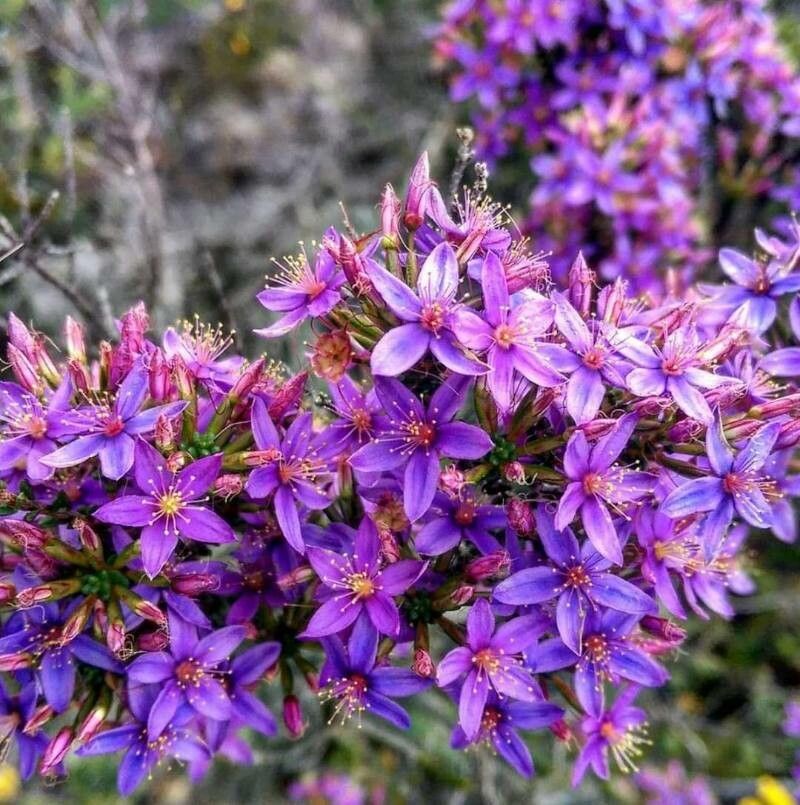
Hello there, fellow garden enthusiasts! Today, I want to chat about one of my absolute favorites: Calytrix leschenaultii, also known as the Fringe Myrtle.
This little beauty is like a burst of sunshine in the garden. Its delicate, star-shaped pink flowers are simply enchanting, and many varieties have a lovely fragrance to boot. Growing them from scratch is incredibly rewarding. You get to witness that tiny cutting transform into a thriving plant. For beginners, I’d say Calytrix leschenaultii is moderately easy to propagate. It’s not foolproof, but with a bit of care, you’ll be well on your way.
The Best Time to Start
When it comes to getting those new plants going, I’ve found that late spring to early summer is your sweet spot. This is when the plant is actively growing and has plenty of energy to put into rooting. Look for stems that are semi-hard, meaning they’re not super soft and floppy, but not woody and hard either. Think of it as “young and vibrant.”
Supplies You’ll Need
Here’s what I always have on hand when I’m propagating:
- Sharp pruning shears or a clean, sharp knife: For making clean cuts.
- A well-draining potting mix: I often use a blend of perlite and coco coir in equal parts. Some gardeners swear by a mix with a bit of sand too.
- Small pots or trays with drainage holes: Nothing too big to start; we want the roots to fill the pot.
- Rooting hormone powder or gel: This really gives your cuttings a helpful boost.
- A mister or a spray bottle: For keeping things humid.
- Clear plastic bags or a propagator lid: To create a mini-greenhouse effect.
- Labels and a permanent marker: So you know what you’ve planted and when!
Propagation Methods
The most reliable method for me has always been stem cuttings. It’s straightforward and yields great results.
- Take Your Cuttings: In late spring or early summer, select healthy, non-flowering stems from a mature plant. Use your clean shears to cut lengths of about 10-15 cm (4-6 inches). Make your cut just below a leaf node (where the leaves attach to the stem). This is where the magic happens for rooting.
- Prepare the Cuttings: Gently remove the leaves from the bottom half of the cutting. This prevents them from rotting in the soil. If there are any flower buds, pinch them off. We want all that energy to go into rooting, not flowering!
- Dip in Rooting Hormone: Dip the cut end of each stem into rooting hormone powder or gel. Tap off any excess.
- Plant the Cuttings: Fill your small pots with the well-draining potting mix. Make a small hole in the center of the soil with your finger or a pencil. Insert the rooting hormone-coated end of the cutting into the hole. Gently firm the soil around the base of the cutting.
- Water Gently: Water the soil lightly until it’s evenly moist, but not waterlogged.
- Create a Humid Environment: Cover the pot with a clear plastic bag, creating a tent effect, or place it inside a propagator with the lid on. This traps humidity, which is crucial for cuttings. Keep the bag or lid from touching the leaves.
The “Secret Sauce” (Pro Tips)
Over the years, I’ve learned a few tricks that really make a difference:
- Bottom Heat is Your Friend: If you can, place your pots on a heated propagation mat. This gentle warmth encourages root development from below, mimicking ideal soil temperatures. It’s a game-changer, especially if your house is a bit on the cooler side.
- Don’t Overwater, Ever: This is a big one. Cuttings that sit in soggy soil will rot before they even think about rooting. The key is consistent moisture, not saturation. I find checking the soil with a finger is the best way to gauge if it needs a light mist.
- Freshness Matters: Use cuttings from healthy, vigorous plants. Don’t try to propagate from stressed or sickly-looking material. You’re trying to give your new plant the best possible start, so good genetics are important!
Aftercare & Troubleshooting
Once your cuttings are planted, place them in a spot with bright, indirect light. Avoid direct sunlight, as it can scorch them. Keep that humidity up by misting every few days or as needed.
You’ll start to see new leaf growth, which is a good sign, but roots take time. Be patient! It can take anywhere from 4 to 8 weeks, or even longer, for roots to develop sufficiently. You can gently tug on a cutting to feel for resistance – that’s a sign of roots!
Common issues? The biggest villain is rot. If you see your cuttings turning mushy or black, it’s almost always due to overwatering and lack of air circulation. If you catch it early, you might be able to save some by removing the rotten bits and repotting in fresh, dry mix. If the leaves start to yellow and drop off without new growth appearing, they might be too dry or not getting enough light.
A Little Encouragement
Propagating plants is a journey, and every gardener has had their share of failures. Don’t get discouraged! Each attempt, successful or not, teaches you something new. Enjoy the process of nurturing these tiny beginnings, and soon enough, you’ll have a whole new collection of beautiful Calytrix leschenaultii to share or keep for yourself. Happy propagating!
Resource: