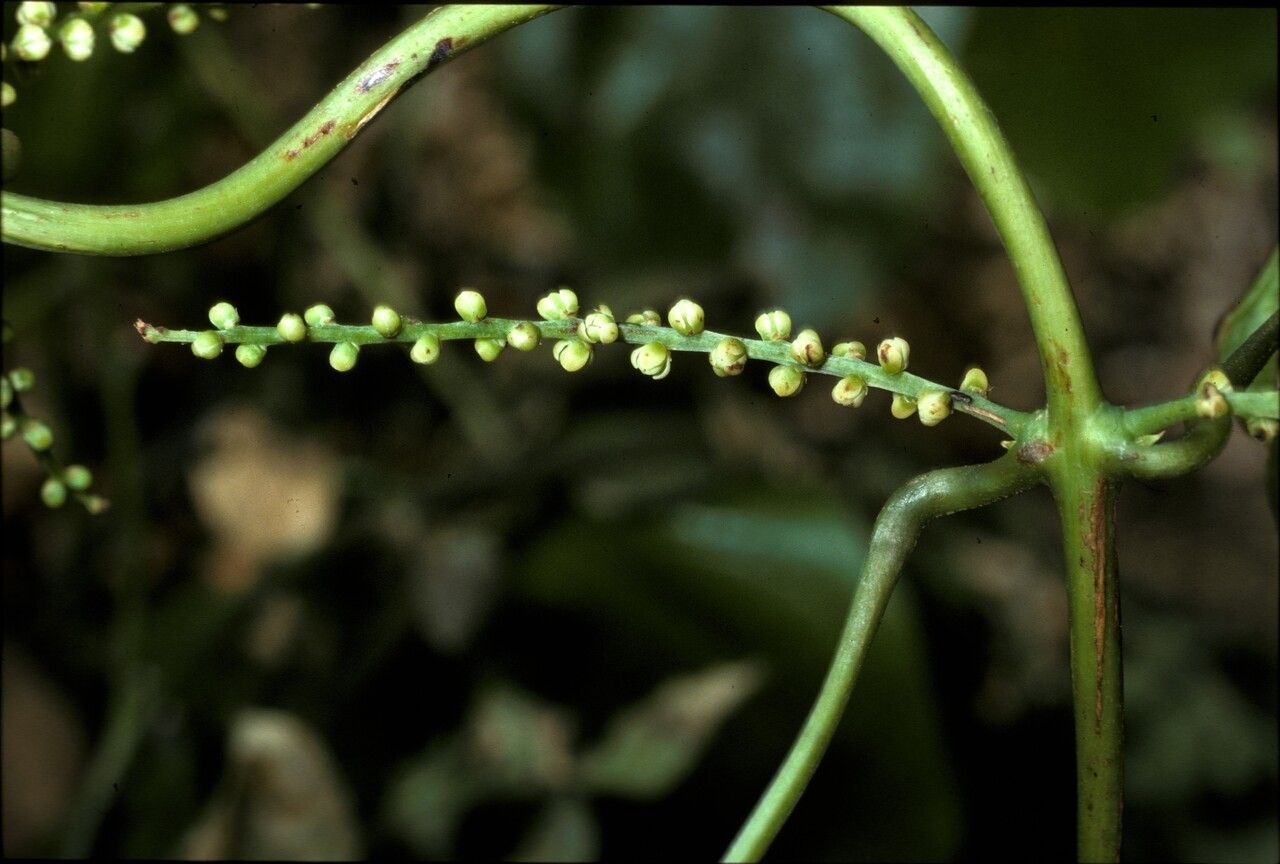
Oh, hello there! Pull up a chair, let’s chat about one of my favorite subjects: Dioscorea cayenensis, or the yellow yam. If you haven’t met this beauty, imagine a tropical vining plant with intriguing aerial tubers, sometimes called bulbils, that dangle just so. They’re a bit of a showstopper in the garden, and honestly, the satisfaction of growing your own from scratch is just immense. Now, is it a walk in the park for absolute beginners? Maybe not quite, but with a little patience and these tips, I promise you’ll be well on your way to success.
The Best Time to Start
For Dioscorea cayenensis, the magic happens when the plant is actively growing. Think of late spring or early summer. This is when they’re putting on a surge of energy, and the cuttings or divisions will have the best chance of taking off. If you’re working with aerial tubers (those little yam-like bits), harvesting them in the fall after the foliage starts to die back is usually ideal.
Supplies You’ll Need
Gathering your tools beforehand makes the whole process so much smoother! Here’s what I always have on hand:
- Sharp pruning shears or a clean knife: For making clean cuts.
- Well-draining potting mix: A good blend of peat moss, perlite, and compost works wonderfully.
- Small pots or propagation trays: To give your new babies a start.
- Rooting hormone (optional but helpful): Especially for stem cuttings.
- A spray bottle: For gently misting.
- A small trowel or dibber: For planting.
- Labels and a pen: To keep track of what you’ve planted and when.
- If dividing: A sturdy spade or hand fork.
Propagation Methods
Dioscorea cayenensis is a versatile plant, and thankfully, that extends to how we can create more of them!
1. From Aerial Tubers (Bulbils):
This is perhaps the most direct way to get new plants. You’ll see these lovely little tubers forming on the vine.
- Harvest: In the fall, once the plant’s foliage begins to yellow and die back, carefully harvest the mature aerial tubers. They should feel firm.
- Cure (optional but recommended): Let them air dry in a warm, dry place for a few days to a week. This helps prevent rot.
- Plant: Fill your pots with your well-draining mix. Dig a small hole, about 2-3 inches deep, and place one or two tubers in each pot. Cover them gently with soil.
- Water: Water sparingly, just enough to settle the soil. You don’t want them waterlogged.
- Wait: Place the pots in a warm spot and be patient. They might not sprout right away, sometimes waiting until spring.
2. From Stem Cuttings:
This method works best during the active growing season.
- Take Cuttings: Using your sharp pruning shears, select healthy, non-flowering stems. Cut sections about 4-6 inches long, ensuring each cutting has at least two or three nodes (where the leaves attach to the stem). Make your cut just below a node.
- Prepare Cuttings: Gently remove any leaves from the bottom node. If leaves are very large, you can even cut them in half to reduce water loss.
- Rooting Hormone: Dip the cut end of the stem in rooting hormone (if using). This gives them a nice boost.
- Plant: Make a hole in your potting mix with a dibber or your finger. Insert the cutting so that at least one node is below the soil surface. Gently firm the soil around it.
- Water & Cover: Water lightly and then cover the pot with a clear plastic bag or place it in a propagator. This creates a humid environment, which is crucial for cuttings.
3. From Division:
If you have a mature clump, division is a great way to make new plants. This is best done in early spring, just as new growth is about to emerge.
- Carefully Remove: Gently unpot the entire plant or dig it up from the ground.
- Examine the Roots: You’ll see a mass of roots and potentially several growing points.
- Divide: Using a clean trowel or even your hands, carefully separate the clump into sections. Each section should have at least one healthy root system and ideally a visible bud or growing point.
- Replant: Pot up each division into its own container with fresh, well-draining soil. Water thoroughly.
The “Secret Sauce”
Here are a couple of things I’ve learned over the years that really make a difference:
- For Stem Cuttings, Avoid Waterlogged Soil: This is critical! A common mistake is overwatering. The soil should be moist, like a wrung-out sponge, not soggy. Excess moisture is the express lane to rot for cuttings.
- Bottom Heat is Your Friend: Especially for stem cuttings that are a bit slow to root, placing your pots on a warm propagation mat can significantly speed things up. It mimics the cozy environment of spring soil.
- Don’t Rush the Aerial Tubers: When planting bulbils, resist the urge to keep digging them up to see if they’ve sprouted. They can take their sweet time, sometimes months, especially if planted in the fall. Trust the process!
Aftercare & Troubleshooting
Once you see signs of life – a new shoot emerging or roots peeking from the drainage holes – it’s time to ease them into their new routine.
- Gradual Acclimation: If you covered your cuttings with plastic, slowly start to vent it over a few days to get them used to drier air.
- Light: Provide bright, indirect light. Avoid harsh direct sun, which can scorch delicate new growth.
- Watering: Water when the top inch of soil feels dry. Always water from the bottom if you can, to encourage strong root growth.
- Signs of Trouble: The most common culprit is rot. If your cutting turns mushy and black, or your aerial tuber starts to feel soft and slimy, it’s likely rot. This is usually due to too much moisture. Unfortunately, a rotten cutting is usually a goner. Look for signs of wilting or yellowing leaves as well; this could also indicate overwatering or a lack of light.
A Warm Encouraging Closing
Growing Dioscorea cayenensis from cuttings or tubers is a beautiful journey. It’s a chance to connect with nature on a deeper level and witness the miracle of new life unfolding. Don’t get discouraged if your first attempt isn’t perfect – gardening is all about learning and adapting. Enjoy the process, celebrate every tiny success, and soon you’ll be surrounded by these wonderful vining plants! Happy propagating!
Resource:
https://identify.plantnet.org/k-world-flora/species/Dioscorea%20cayenensis%20Lam./data