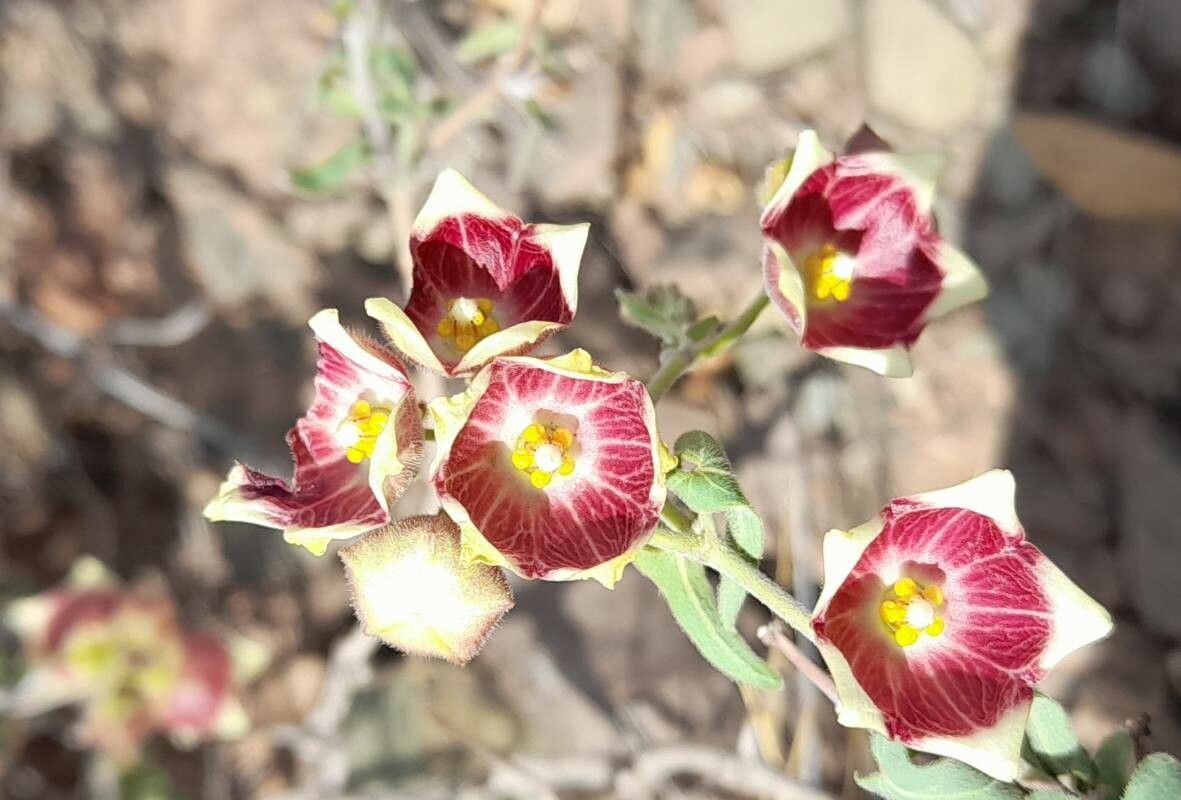
Hello, fellow plant lovers! If you’ve ever admired the charming, star-shaped flowers of Philibertia gilliesii and wished you had more of these beauties, I’ve got good news for you. Propagating this lovely vine is a truly rewarding experience, and honestly, it’s surprisingly achievable once you know a few things. Don’t let the thought of creating new plants intimidate you; we’ll tackle this together, cup of coffee in hand.
The Best Time to Start
Now, when it comes to Philibertia gilliesii, the sweet spot for propagation is definitely late spring or early summer. This is when the plant is in its most robust growth phase, meaning it has plenty of energy to put into developing new roots. You’ll be looking for healthy, non-flowering stems that are about pencils’ thickness. Actively growing periods are key for success!
Supplies You’ll Need
To get started, here’s a handy list of what you should have on hand:
- Sharp, clean pruning shears or a sharp knife: Essential for clean cuts.
- Rooting hormone (powder or gel): While not strictly mandatory for Philibertia, it can give your cuttings a helpful boost.
- Well-draining potting mix: Think a blend of good quality potting soil with perlite or coarse sand. A succulent mix often works wonders too.
- Small pots or trays: Clean, with drainage holes, of course!
- Clear plastic bag or propagation dome: To create a humid environment.
- Watering can with a fine rose or spray bottle: For gentle watering.
Propagation Methods
The most common and effective way to propagate Philibertia gilliesii is through stem cuttings. It’s straightforward and usually yields great results.
- Take Your Cuttings: Using your sharp, clean shears, select a healthy stem that is at least 4-6 inches long. Make your cut just below a leaf node (where a leaf attaches to the stem). This is crucial because that’s where the magic happens for root formation.
- Prepare the Cuttings: Gently remove the lower leaves from the bottom half of your cutting. You want to expose the nodes where roots will emerge. You can leave two to three sets of leaves at the top. If your leaves are quite large, you can even cut them in half to reduce water loss.
- Apply Rooting Hormone (Optional but Recommended): If you’re using rooting hormone, dip the cut end of the stem into the powder or gel, tapping off any excess.
- Pot Them Up: Fill your small pots or trays with your well-draining potting mix. Make a small hole in the center of the soil with your finger or a pencil.
- Insert the Cuttings: Gently insert the treated end of each cutting into the prepared hole, ensuring the nodes are buried in the soil. Firm the soil gently around the base of the cutting. You can typically fit several cuttings in one pot, just make sure they aren’t touching each other too much.
- Create Humidity: Water the soil lightly until it’s evenly moist, but not waterlogged. Then, place the pot inside a clear plastic bag or cover it with a propagation dome. This traps moisture and creates the humid microclimate cuttings need to thrive.
The “Secret Sauce” (Pro Tips)
Over the years, I’ve learned a few tricks that really make a difference with these finicky little guys:
- Bottom Heat is Your Friend: Philibertia gilliesii loves a warm environment to root. Placing your pots on a heating mat designed for plants can dramatically speed up root development. Aim for a consistent temperature around 70-75°F (21-24°C).
- Don’t Drench, Mist! While consistent moisture is important, soggy soil is the quickest way to invite rot. Instead of watering regularly, I often find misting the leaves and the soil surface keeps things perfectly humid without waterlogging. You’ll still want to check the soil moisture with your finger.
- “Air Layering” for the Less Daring: If you’re a bit nervous about taking cuttings, try air layering. This is where you wound a section of a healthy, attached stem, wrap it with moist sphagnum moss, and cover it with plastic wrap. Once roots form within the moss, you can then cut the stem below the new roots and pot it up. It’s like propagating while the plant is still attached!
Aftercare & Troubleshooting
Once your cuttings have been p lanted, keep them in a bright location, but out of direct, harsh sunlight. The humidity dome or plastic bag should remain on for the first few weeks.
You’ll know your cuttings are happy when you see signs of new leaf growth. This is usually a good indicator that roots are forming beneath the surface. It can take anywhere from 4-8 weeks, sometimes longer.
The biggest issue you might encounter is rot. If your cutting turns mushy or black, unfortunately, it’s likely a lost cause. This usually means too much moisture and not enough air circulation. Remove any rotted cuttings immediately and try to adjust your watering and humidity levels for the remaining ones. If the leaves simply wither and dry up, it might be too dry, or the cutting wasn’t viable to begin with.
A Little Patience Goes a Long Way
Propagating plants is like watching a tiny miracle unfold. It requires a bit of patience and observation, but the joy of seeing your new Philibertia gilliesii take root and grow is truly unmatched. Don’t be discouraged if your first attempt isn’t perfect; every gardener has those experiences! Just keep trying, enjoy the process, and pretty soon you’ll have a whole collection of these lovely star-flowered vines. Happy gardening!
Resource:
https://identify.plantnet.org/k-world-flora/species/Philibertia%20gilliesii%20Hook.%20&%20Arn./data