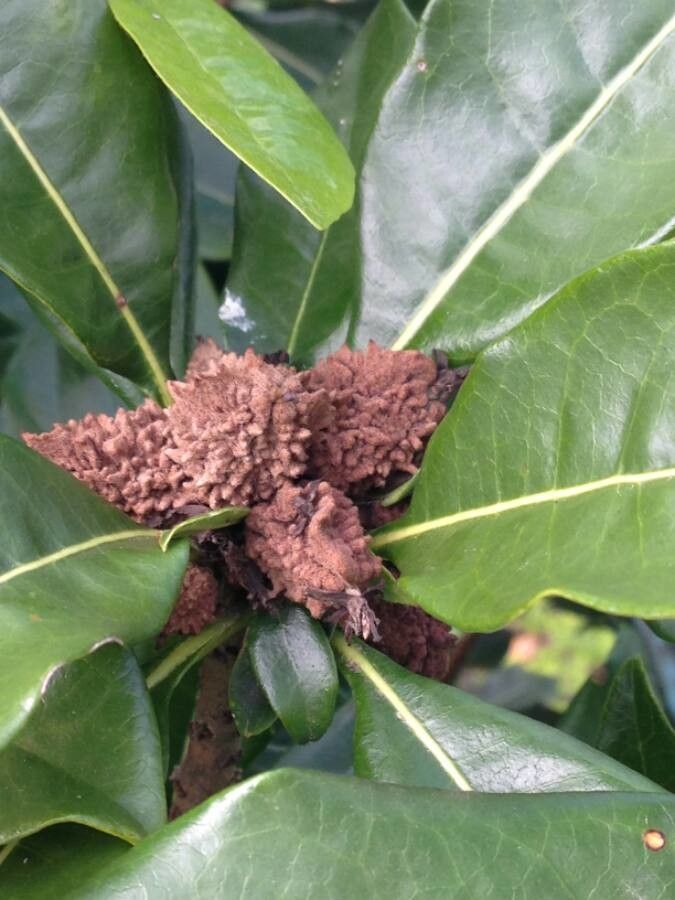
Oh, hello there! Come on in and grab a mug. Today, we’re going to chat about a little gem I’ve grown to love: Pittosporum brevispinum. If you’ve ever seen its delightful small leaves and wonderfully compact habit, you know it’s a plant that brings a bit of refined charm to any garden. And the best part? You can easily multiply that charm yourself!
Your Own Mini Pittosporum Garden: Why Propagate?
There’s something incredibly satisfying about coaxing a new life from a parent plant. With Pittosporum brevispinum, it’s not just about having more plants; it’s about sharing the love with friends, filling bare spots in your own garden, or even just the quiet triumph of success. Now, is it a walk in the park for absolute beginners? Honestly, it’s moderately easy. With a little attention to detail, you’ll be well on your way.
The “Just Right” Time to Get Started
For Pittosporum brevispinum, the sweet spot for propagation is truly late spring to early summer. This is when the plant is actively growing, and the stems are usually in the semi-hardwood stage. Think of it as being firm but still a little flexible, not rock-hard old wood nor floppy new growth. This is when they’re most receptive to rooting.
Gathering Your Propagation Tools
Before we dive in, let’s make sure you have everything handy. It just makes the whole process smoother.
- Sharp Pruning Shears or a Craft Knife: You want a clean cut to minimize damage.
- Rooting Hormone: A powder or gel helps significantly. I always find the powder easiest to work with.
- Light, Well-Draining Potting Mix: A mix of equal parts perlite and a good quality potting compost works wonders. Avoid anything too heavy.
- Small Pots or Seed Trays: Clean ones are crucial! Tiny terracotta pots are lovely.
- Plastic Bags or a Clear Propagating Lid: To maintain humidity.
- Labeling Stakes or Tags: You will forget which plant is which!
- Watering Can with a Fine Rose: For gentle watering.
Bringing New Pittosporums to Life: Stem Cuttings
This is my go-to method for Pittosporum brevispinum, and it’s quite reliable.
- Take Your Cuttings: On a cool, overcast morning, select healthy stems from your mature plant. Look for those semi-hardwood pieces. You want cuttings that are about 4-6 inches long.
- Prepare the Cuttings: Gently remove any lower leaves, leaving just the top few. If your cuttings are very long, you can even take cuttings from the top two-thirds of the stem. This encourages the plant not to put energy into leaves it can’t support.
- Dip in Rooting Hormone: Moisten the cut end with a bit of water, then dip it into your rooting hormone, tapping off any excess. This gets the magic stuff ready to encourage root growth.
- Plant the Cuttings: Fill your clean pots with the well-draining mix. Make a small hole with a pencil or skewer, and insert the cutting so that the nodes (where the leaves were) are covered by soil. You want about half to two-thirds of the cutting in the soil.
- Water Gently: Give the soil a good, gentle watering until you see water drain from the bottom.
- Create a Humid Environment: Cover the pots with a clear plastic bag, securing it around the rim, or place them under a propagating lid. This is key to keeping the cuttings from drying out.
My “Secret Sauce” for Success
Now, a few little tricks that have served me well over the years:
- The “Leaf Drip” Rule: When you’re watering your cuttings, never let the leaves themselves sit in pooling water. This is a fast track to rot. Aim to water the soil directly.
- Bottom Heat is Your Friend: If you have it, placing your pots on a gentle bottom heat mat can speed up root formation immensely. It mimics the warmth of spring soil and really gives those roots a boost.
- Patience, Young Grasshopper! Don’t be tempted to tug on your cuttings too early. Give them at least 4-6 weeks before you even think about checking for roots.
Life After Rooting and What to Watch For
Once roots form, you’ll start to see tiny new leaves appearing, which is a wonderful sign!
- Introduce Them Gradually: Slowly acclimatize your new plants to less humid conditions. For the first week, just lift the bag for an hour or two each day. Then, remove the bag permanently.
- Repotting Time: When the roots are well-established and you see good new growth, you can carefully transplant them into their own small pots. Again, use that light, airy potting mix.
- Signs of Trouble: The most common culprit is rot, which usually looks like a black, mushy stem base. This often happens from too much moisture and poor drainage. If you see this, sadly, that cutting is likely lost. Another sign is wilting and yellowing leaves that aren’t due to dryness; this can also point to root issues or insufficient light.
Happy Growing!
Propagating your Pittosporum brevispinum is a deeply rewarding experience. There’s a quiet joy in nurturing these little plants into existence. Be patient, enjoy the process, and soon you’ll have a whole clan of your own beautiful Pittosporums to admire! Happy gardening!
Resource: