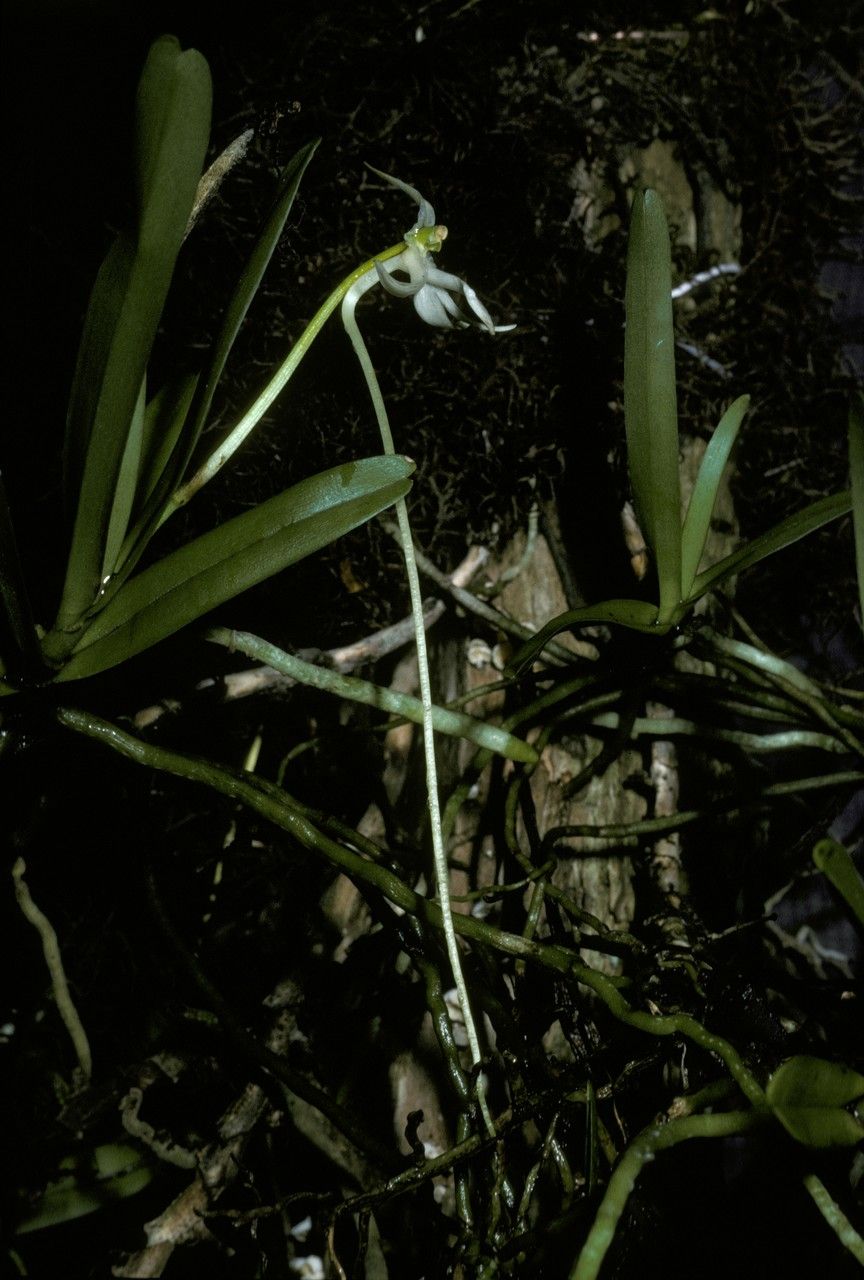
Hey there, fellow plant lovers! Today, I want to talk about a real gem that’s been captivating my attention lately: Jumellea exilis. This little orchid, with its delicate starry blooms and sweet fragrance, is just a joy to have around. And the best part? You can easily bring that joy into more corners of your home by propagating it. It’s not the fussiest plant I’ve ever worked with, but it does appreciate a bit of know-how. Think of me as your gardening friend, sharing my tried-and-true methods over a cup of tea.
The Best Time to Start
For Jumellea exilis, the spring and early summer are your golden ticket. This is when the plant is in its active growth phase, meaning it’s got the energy reserves to dedicate to sprouting new roots and leaves. Timing it with warmer temperatures also helps those tiny new plants establish themselves more quickly.
Supplies You’ll Need
Gathering your supplies beforehand makes the whole process smoother. Here’s what I always have on hand:
- Sharp, sterile pruning shears or a clean knife: Crucial for making clean cuts that heal well.
- A good quality orchid potting mix: I prefer a mix that’s airy and drains exceptionally well. Think bark chips, perlite, and a bit of sphagnum moss.
- Small pots or orchid baskets: Enough to house your new divisions or cuttings.
- Rooting hormone (optional but helpful): Especially for stem cuttings, this gives them a bit of a boost. Look for one formulated for orchids, if possible.
- A spray bottle: For gentle misting.
- Clear plastic bags or a propagator: To create a humid microclimate.
Propagation Methods
Jumellea exilis is typically propagated through division, which is my preferred method. It’s straightforward and usually yields great results.
Division
Divide your Jumellea exilis when you notice it has grown into a larger clump with multiple pseudobulbs (those swollen stem bases).
- Gently remove your orchid from its pot. Be sure not to damage the roots.
- Carefully tease apart the root ball. If it’s very tangled, you might need to use a sterile knife to cut through stubborn roots. You want to separate the plant into sections, each with at least two or three healthy pseudobulbs and a good root system.
- Inspect the divisions. Remove any dead or mushy roots and old, dried-up pseudobulbs.
- Pot up each division into its own small pot or basket with fresh orchid mix. Ensure the base of the pseudobulbs is just at the surface of the mix.
- Water lightly to settle the mix, but don’t drench it.
The “Secret Sauce” (Pro Tips)
Here are a couple of tricks I’ve learned over the years that make a big difference for orchids:
- Patience with the Pseudobulbs: When you’re dividing, don’t stress if a division looks a little sad initially. As long as it has at least two good pseudobulbs and some viable roots, give it a chance. Those old pseudobulbs often have stored energy to help the new growth get started.
- The Gentle Humidity Hug: After dividing, these new plants can be a bit stunned. Placing the potted divisions in a clear plastic bag or a propagator creates that humid environment they love without waterlogging the roots. Just open it up for a few hours each day to allow for air circulation and prevent fungal issues.
Aftercare & Troubleshooting
Once your divisions are potted, keep them in bright, indirect light and maintain that gentle humidity. Water only when the potting mix starts to feel dry – overwatering is the quickest way to lose a new orchid.
The most common sign of trouble is rot. If you see black, mushy roots or a softening base of the pseudobulb, it’s a sign of too much moisture and poor air circulation. If this happens, try to remove the affected parts with a sterile tool and repot into drier mix, ensuring better drainage and airflow. New leaf and root growth is your best indicator that things are going well!
Propagating Jumellea exilis is a beautiful way to multiply your enjoyment of this lovely plant. Don’t be discouraged if your first attempt isn’t absolutely perfect. Gardening is a journey, and every experience teaches us something new. Just keep that gentle touch, provide good care, and watch your little orchid family grow! Happy growing!
Resource:
https://identify.plantnet.org/k-world-flora/species/Jumellea%20exilis%20(Cordem.)%20Schltr./data