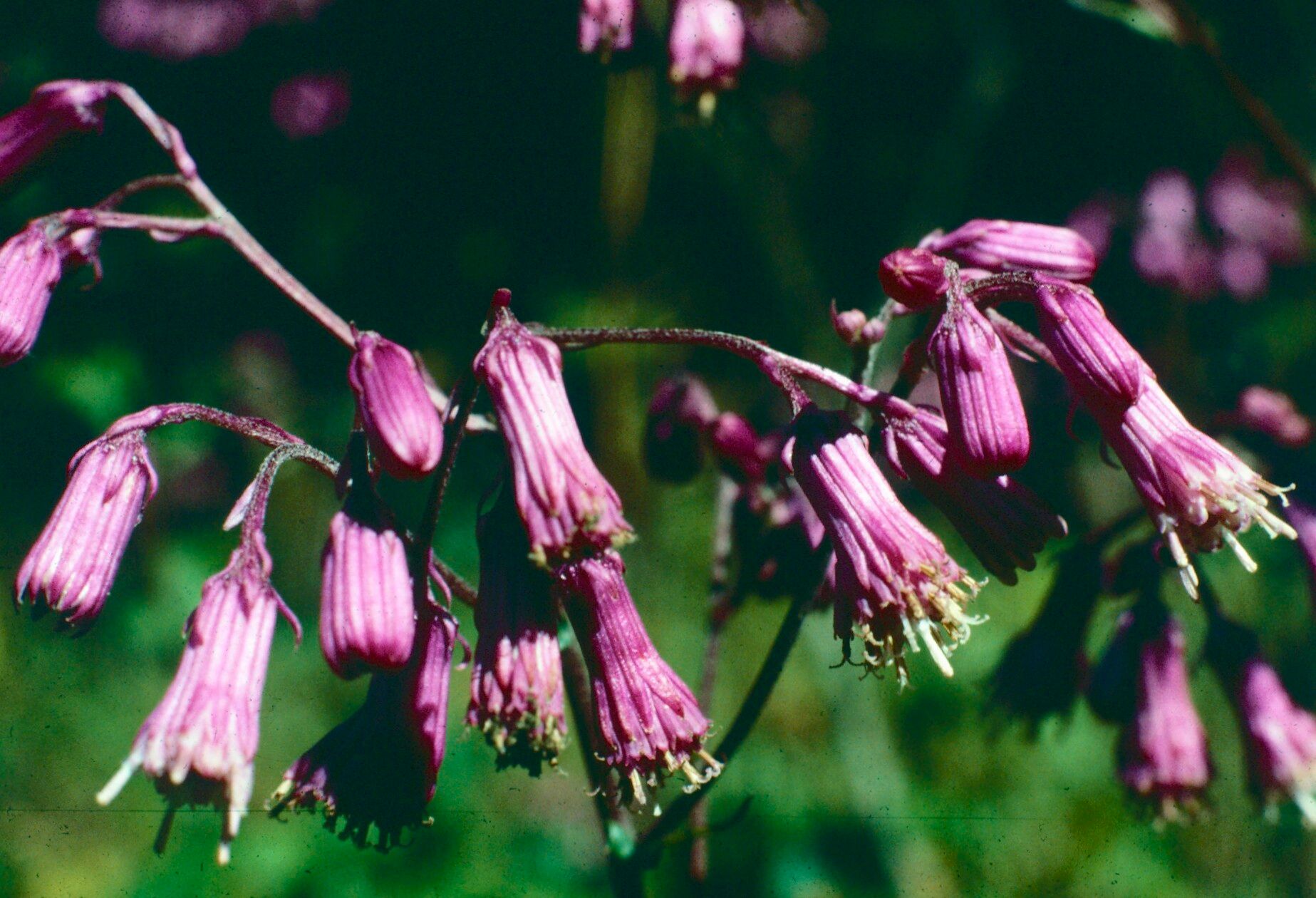
Oh, Senecio callosus! Isn’t she a beauty? I’ve always been drawn to those plump, silvery leaves, like little emerald raindrops clinging to their stems. They add such a unique texture and a touch of modern cool to any collection. And the best part? Propagating them is a wonderfully rewarding journey. You can absolutely create new little treasures from your existing plants, and honestly, it’s surprisingly forgiving. Even if you’re just dipping your toes into the world of plant propagation, Senecio callosus is a fantastic place to start.
The Best Time to Start
If you want to set yourself up for the best success, aim for spring or early summer. This is when your Senecio callosus is actively growing and has plenty of energy to put into developing new roots. You’ll be working with healthy, robust stems during this time, which always leads to better results.
Supplies You’ll Need
Here’s what you’ll want to have on hand to get started:
- Sharp, clean pruning shears or a craft knife. A clean cut is crucial!
- A well-draining potting mix. I like to use a cactus or succulent mix, or blend regular potting soil with perlite and coarse sand.
- Small pots or seedling trays.
- Optional: Rooting hormone. This isn’t strictly necessary for Senecio callosus, but it can give your cuttings a little extra boost.
- A spray bottle for misting.
- A labels and a marker so you don’t forget what’s what!
Propagation Methods
Let’s get our hands dirty! For Senecio callosus, I find stem cuttings to be the most reliable and easiest method.
Stem Cuttings
- Select a healthy stem. Look for a piece that’s at least 3-4 inches long. Avoid any that look leggy, yellow, or damaged.
- Make a clean cut. Using your sharp shears or knife, make a clean cut just below a leaf node. A leaf node is where a leaf attaches to the stem.
- Remove lower leaves. Gently pull off the leaves from the bottom 1-2 inches of the cutting. This exposes the nodes where roots will form and prevents them from rotting if they touch the soil.
- Let it callus (optional but recommended). This is an important step! Place your cuttings in a dry, well-ventilated spot for a day or two. You’ll see the cut end start to dry and seal over. This “callus” prevents rot from setting in when you plant them.
- Dip in rooting hormone (optional). If you’re using rooting hormone, dip the callused end into it now, tapping off any excess.
- Plant your cuttings. Insert the callused end about an inch deep into your prepared potting mix. Give them a little gentle firming around the base.
- Water lightly. Give them a gentle watering, just enough to moisten the soil. You don’t want them sitting in soggy conditions.
- Place in bright, indirect light. Avoid direct sun, as it can scorch the delicate cuttings. A nice bright windowsill is usually perfect.
The “Secret Sauce”
Here are a couple of tricks I’ve picked up over the years that make a real difference:
- When propagating succulents like this, don’t overwater! It’s the number one killer. Mist the soil lightly every few days or when the surface feels dry to the touch. It’s better to slightly underwater than to have rot set in.
- If you have a heat mat, now’s the time to use it. Placing your pots on a gentle heat source encourages root development from the bottom up. Just a few degrees above room temperature is usually enough.
Aftercare & Troubleshooting
Once your cuttings have been in the soil for a few weeks, you can gently tug on them to check for resistance. If you feel a little pull, that’s a good sign roots are forming! Continue to water sparingly.
The most common issue you’ll encounter is rot. If you see your cutting turn mushy, black, or develop a foul smell, it’s likely rotted. This is usually a sign of too much moisture. You can try to salvage any healthy upper sections by recutting and letting them callus again, but often it’s best to discard the rotted piece and start fresh.
A Encouraging Closing
Be patient with your new little Senecio callosus babies. Propagation is all about giving them the right conditions and letting nature do its thing. Don’t get discouraged if not every cutting takes – it’s part of the learning process! What’s important is to enjoy the journey, learn from your experiences, and soon you’ll have a whole collection of these delightful plants to share or keep for yourself. Happy growing!
Resource:
https://identify.plantnet.org/k-world-flora/species/Senecio%20callosus%20Sch.Bip./data