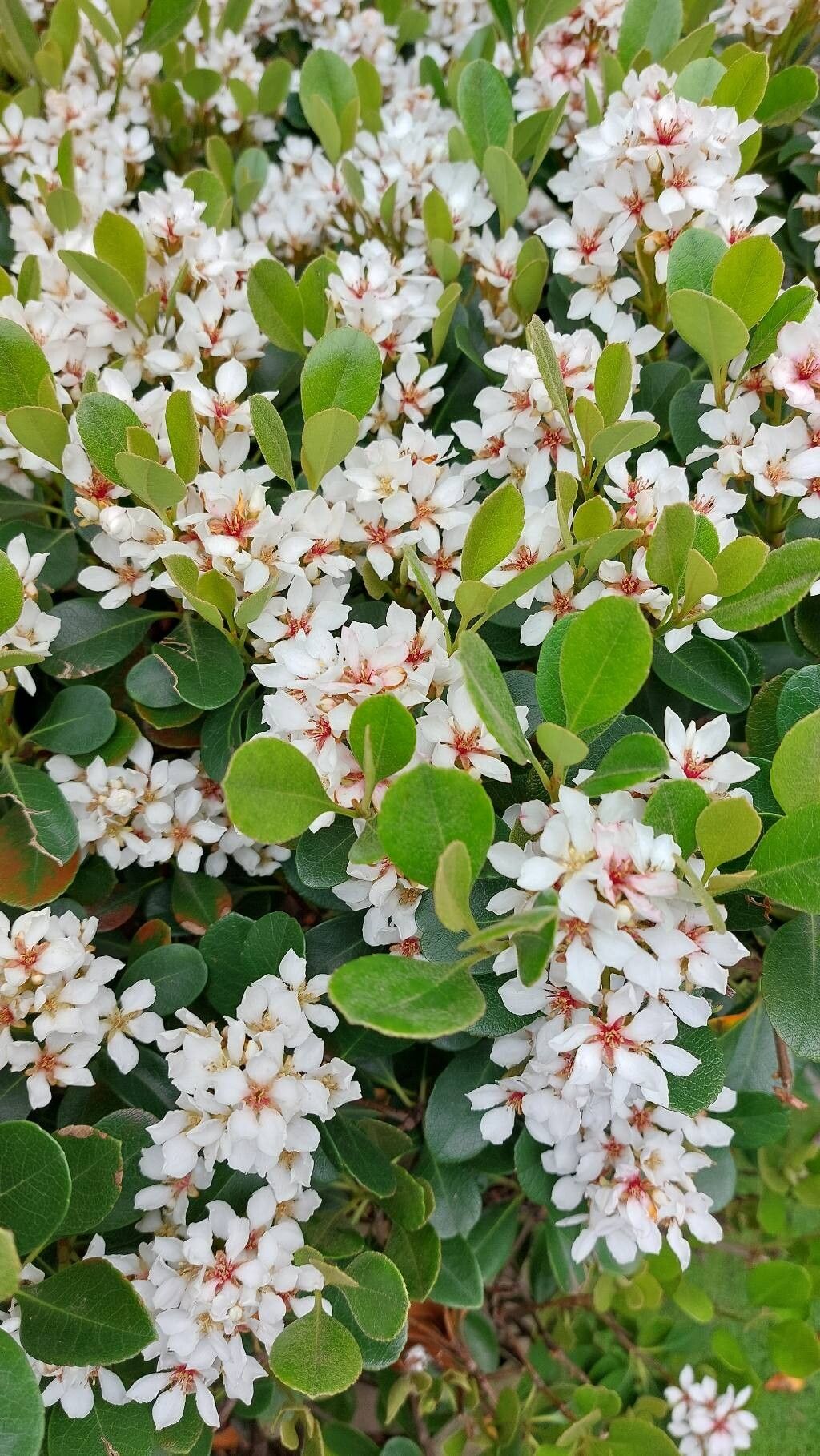
Hello there, fellow plant lovers! Today, I want to chat about one of my absolute garden favorites: Rhaphiolepis indica, or the Indian Hawthorn. This little shrub is such a trooper. It gives us beautiful clusters of fragrant pink or white flowers in spring, followed by attractive blue-black berries. Plus, it’s incredibly low-maintenance and handles a variety of conditions like a champ.
If you’ve admired this plant and are thinking about getting more for your garden, or perhaps sharing some with a friend, you’re in luck! Propagating Rhaphiolepis indica is a really rewarding experience. And the best part? Even if you’re just dipping your toes into the world of propagation, this plant is quite forgiving. You’ll likely find success with it.
The Best Time to Start
My go-to time for propagating Rhaphiolepis indica is late spring to early summer. This is when the plant is actively growing, and its stems have hardened off a bit from the soft new growth. You’re looking for what we call “semi-hardwood cuttings.” Think of stems that are still flexible but not so green and tender that they’ll flop over easily.
Supplies You’ll Need
Before we get our hands dirty, let’s gather our tools:
- Sharp pruning shears or a clean, sharp knife: For making clean cuts.
- Rooting hormone powder or gel: This is your secret weapon for encouraging root development.
- Small pots or seed trays: With drainage holes, of course!
- A good quality potting mix: I like a blend of equal parts peat moss or coco coir and perlite or coarse sand. This provides good drainage and aeration, which is crucial.
- Plastic bags or a propagator lid: To create a humid environment.
- Small pebbles or gravel (optional): For good drainage in the pots.
- Watering can or spray bottle: For gentle watering.
Propagation Methods
Let’s dive into how you can create new Indian Hawthorns. I find stem cuttings to be the most reliable method for this plant.
Stem Cuttings:
- Take Your Cuttings: Select healthy, non-flowering stems. Using your clean shears or knife, cut stems that are about 4-6 inches long. Make your cut just below a leaf node (where a leaf attaches to the stem).
- Prepare the Cuttings: Gently remove the lower leaves from the cutting, leaving only the top 2-3 leaves. This prevents them from rotting in the soil. If there are any flower buds, pinch those off too.
- Apply Rooting Hormone: Dip the cut end of the stem into your rooting hormone, tapping off any excess. This stuff really gives your cuttings a boost.
- Plant Your Cuttings: Fill your small pots with your prepared potting mix. Make a hole with a pencil or your finger, then insert the cut end of the Rhaphiolepis cutting. Gently firm the soil around it. You can usually fit several cuttings in one pot, spaced a couple of inches apart.
- Water Gently: Water thoroughly but gently after planting. You want the soil to be moist, not waterlogged.
- Create Humidity: Cover the pots with a clear plastic bag or a propagator lid. Make sure the leaves don’t touch the plastic if possible – this helps prevent rot. You can prop the bag up with sticks or skewers if needed.
- Find the Right Spot: Place your cuttings in a bright location but out of direct sunlight. A warm spot is ideal.
The “Secret Sauce” (Pro Tips)
After years of gardening, you pick up a few tricks that can make a big difference. Here are my insider tips for getting your Rhaphiolepis cuttings to root:
- Bottom Heat is Your Friend: If you have a heat mat designed for propagation, placing your pots on it can significantly speed up root development. The warmth encourages the plant to start forming roots faster.
- Don’t Mist Too Much: While humidity is key, over-misting can encourage fungal diseases. I prefer to water from the bottom when the top layer of soil starts to feel dry. This also encourages roots to grow downwards in search of moisture.
- The “Shake Test”: After about 6-8 weeks, you can very gently tug on a cutting. If you feel resistance, that’s a good sign roots have formed!
Aftercare & Troubleshooting
Once your cuttings have rooted, it’s time to treat them like little plants!
- Acclimatize: Gradually remove the plastic cover over a week or so to let them get used to the drier air. Keep the soil consistently moist but not soggy.
- Transplanting: When new growth appears, and the roots are well-established (you’ll see them peeking from the drainage holes), you can transplant them into individual, slightly larger pots. Use a good quality potting mix.
- Watch for Rot: The most common issue is rot, which usually happens if the soil is too wet and there isn’t enough air circulation. Cuttings will turn black and mushy. If you see this, unfortunately, that cutting is likely lost. Remove it right away to prevent it from spreading. A lack of root development after a long time might mean the cutting wasn’t viable or conditions weren’t right.
A Little Patience Goes a Long Way
Propagating plants is a journey of patience and observation. Don’t be discouraged if not every single cutting takes. With Rhaphiolepis indica, persistence usually pays off. Enjoy the process of nurturing these little ones from cuttings to small, flourishing plants. Happy gardening!
Resource:
https://identify.plantnet.org/k-world-flora/species/Rhaphiolepis%20indica%20(L.)%20Lindl./data