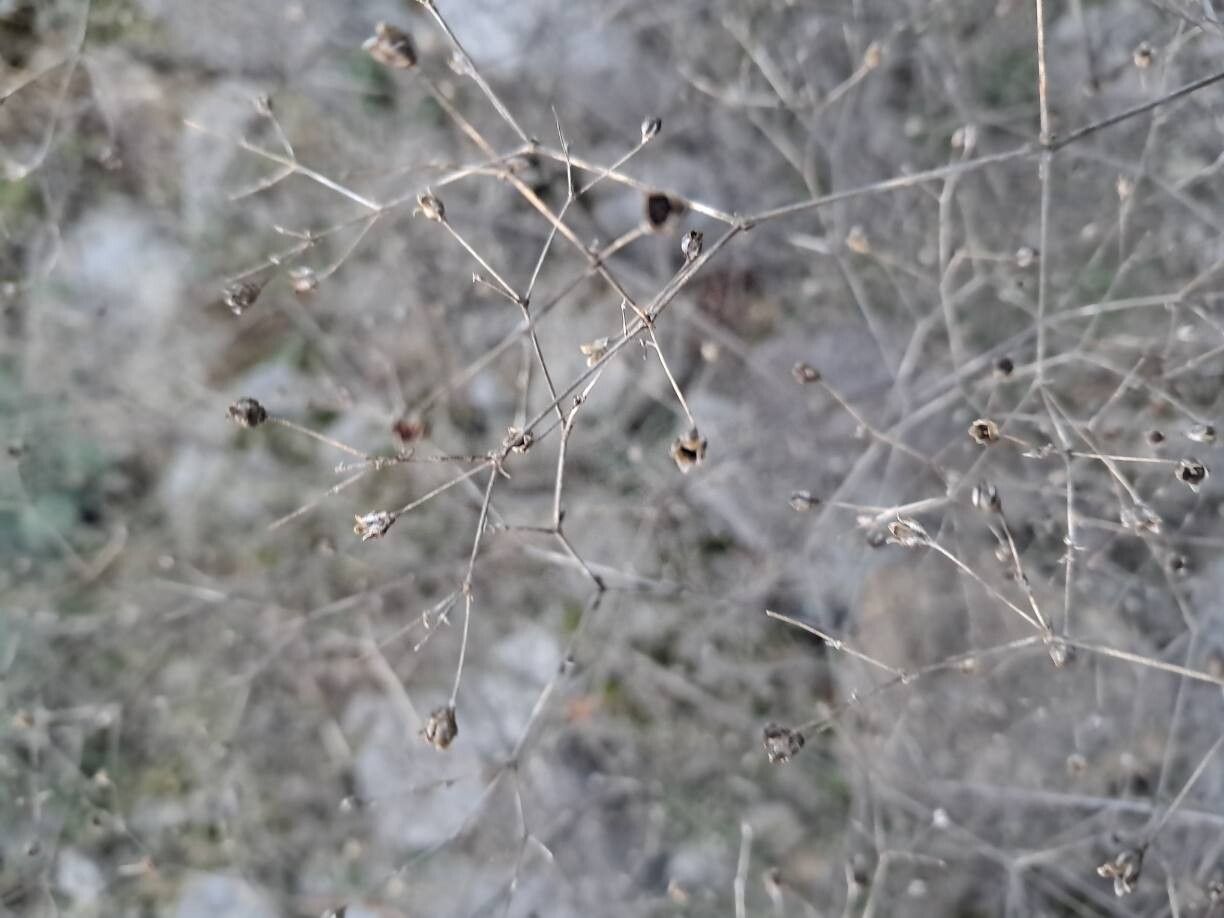
Oh, hello there! Come on in and grab a mug. Today, we’re diving into the delightful world of Gypsophila perfoliata, often called baby’s breath, though this particular variety is a bit more robust. I’ve been growing and sharing it for years, and let me tell you, coaxing new life from a beloved plant is one of the most rewarding experiences in gardening.
Why You’ll Love Propagating Gypsophila perfoliata
This plant is just so charming. Its airy clusters of tiny white flowers bring movement and a delicate beauty to any garden. They’re perfect for filling in gaps, softening edges, and are, of course, a classic for bouquets. Propagating Gypsophila perfoliata is a wonderful way to expand your collection or share these beauties with friends. And the good news? It’s generally quite successful, even for those newer to the gardening scene. You’ll likely find it a friendly plant to experiment with.
When Should You Start?
The sweet spot for propagating Gypsophila perfoliata is definitely late spring to early summer. This is when the plant is actively growing and has plenty of energy to put into developing new roots. Look for stems that are semi-hardwood – meaning they are no longer brand new and floppy but haven’t become tough and woody either. They should snap cleanly when bent.
What You’ll Need to Get Started
Gathering your tools beforehand makes the whole process smoother. Here’s what I recommend:
- Sharp Pruning Shears or a Craft Knife: For clean cuts.
- Small Pots or Seedling Trays: With drainage holes, of course!
- Well-Draining Potting Mix: A good blend is one part perlite and two parts peat moss or coco coir. You can also use a commercial seedling mix.
- Rooting Hormone: Not strictly mandatory, but it gives a significant boost and increases your success rate.
- Plastic Bags or a Small Greenhouse/Propagator: To create a humid environment.
- Spray Bottle: For misting.
- Labeling Stakes: Don’t forget to mark your cuttings!
Let’s Get Propagating!
Gypsophila perfoliata is quite responsive to stem cuttings, which is my go-to method for this plant.
- Take Your Cuttings: Using your clean shears, select healthy, non-flowering stems. Cut them into sections about 4-6 inches long. Make sure each cutting has at least two sets of leaves. Remove the lower leaves, leaving just a couple at the top.
- Prepare the Cuttings: If you’re using rooting hormone, dip the cut end into the powder, tapping off any excess.
- Plant Them Up: Fill your pots or trays with your prepared potting mix. Make a small hole in the center of each pot with a pencil or your finger.
- Insert the Cuttings: Gently place the cut end of each prepared cutting into the hole. Firm the soil gently around the base of the cutting to ensure good contact.
- Water and Cover: Water the potting mix thoroughly but gently. Then, cover the pots with a clear plastic bag or place them in a propagator. You want to create a mini-greenhouse effect to keep humidity high.
My “Secret Sauce” for Success
Having done this for a while, I’ve learned a few tricks that really make a difference.
- Bottom Heat is Your Friend: If you have a seedling heat mat, pop your pots on it. This gentle warmth encourages root development from below, which is exactly what you want. It’s like giving your cuttings a warm hug!
- Don’t Let the Leaves Drip: When you mist your cuttings, ensure the leaves aren’t sitting in water for too long. This can encourage rot. A light, airy mist is best.
- Patience, Dear Gardener! Sometimes, it feels like nothing is happening for weeks. Resist the urge to dig them up and check! They are working unseen, building those vital roots. Trust the process.
Aftercare and What to Watch For
Once your cuttings are planted, keep them in a bright, indirect light location. Mist the leaves regularly to keep them hydrated, but allow the surface of the soil to dry out slightly between waterings. The plastic cover will help maintain humidity, but you may need to lift it occasionally to allow for some air circulation and prevent mold.
You’ll know your cuttings have rooted when you see new leaf growth or feel a gentle resistance when you lightly tug on the stem. This usually takes 3-6 weeks, but it can vary.
The main thing to watch out for is rot. If a cutting turns black and mushy, or develops fuzzy mold, it’s usually a sign of too much moisture and not enough air circulation. Sometimes, you can save a cutting if you catch it early by removing the affected part and improving airflow.
Keep Growing!
There you have it! Propagating Gypsophila perfoliata is a straightforward and rewarding endeavor. Don’t be discouraged if your first few attempts aren’t perfect. Every gardener has had their share of cuttings that didn’t make it. The key is to try, learn, and enjoy the beautiful journey of coaxing new life from your plants. Happy gardening, and I can’t wait to hear about your successes!
Resource:
https://identify.plantnet.org/k-world-flora/species/Gypsophila%20perfoliata%20L./data