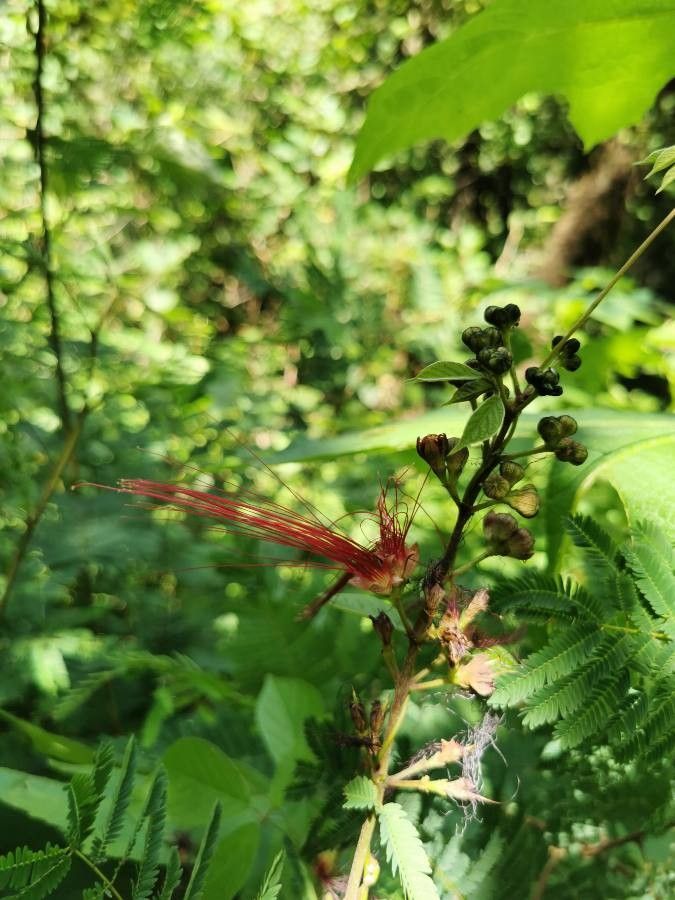
Oh, Calliandra grandifolia! Isn’t it just a dream? Those fluffy, vibrant pink blossoms, like tiny powder puffs, bring such joy to any garden. And the way they attract all sorts of beneficial pollinators? It’s a win-win! If you’ve fallen in love with this beauty, you’re in for a treat. Propagating your own Calliandra is incredibly rewarding, and truthfully, it’s not as daunting as you might think. I’d say it’s moderately easy, perfect for those of you looking to step up your propagation game just a bit.
The Best Time to Start
For the absolute best results, I always aim to take cuttings in late spring or early summer. This is when the plant is actively growing and has plenty of energy to put into developing those precious roots. You’re looking for new growth that is somewhat firm but not yet woody. Think of it as the “softwood” stage – flexible but with a bit of substance.
Supplies You’ll Need
Before we dive in, let’s gather our tools. Having everything ready makes the process so much smoother:
- Sharp Pruning Shears or a Clean Knife: Sterilize them first with rubbing alcohol. We don’t want any nasty surprises.
- Rooting Hormone: This is a must for Calliandra. I like the powdered kind, though the gel works beautifully too.
- Well-Draining Potting Mix: My go-to is a simple blend of equal parts peat moss or coco coir and perlite or coarse sand. A good sterile seed-starting mix also works wonders.
- Small Pots or Propagation Trays: About 4-6 inch pots are usually perfect. Make sure they have drainage holes!
- Plastic Bags or a Propagation Dome: To create a humid environment.
- A Watering Can with a Fine Rose Attachment: Gentle watering is key.
- Optional: Heat Mat: This can significantly speed up root development.
Propagation Methods: Let’s Get Our Hands Dirty!
We’ll focus on the most reliable method for Calliandra: stem cuttings. This is how I’ve had the most success, and it’s straightforward enough.
Taking the Cuttings
- Choose Your Momma Plant: Select a healthy, vigorous Calliandra specimen.
- Locate the Right Growth: Look for stems that are about 4-6 inches long and have recently finished flowering, or are showing signs of active new growth. The ideal bit is where the new, green growth is starting to firm up a little – not completely floppy, but not hard and woody either.
- Make the Cut: Using your sterilized shears, make a clean cut just below a leaf node (where a leaf attaches to the stem). This is important because that’s where the magic happens for root formation.
- Prepare the Cuttings: Gently remove any lower leaves from the cutting. You want to leave at least 2-3 sets of leaves at the top. This helps prevent rot and allows the plant to focus its energy on rooting. If the remaining leaves are very large, you can cut them in half horizontally to reduce water loss through transpiration.
Getting Them Rooted
- Dip in Rooting Hormone: Slightly dampen the cut end of the stem, then dip it into your rooting hormone. Tap off any excess.
- Plant Them Up: Fill your pots with your prepared, moistened potting mix. Make a small hole in the center of the mix with your finger or a pencil.
- Insert the Cutting: Gently place the cut end of the Calliandra cutting into the hole, ensuring the root hormone stays in place. Firm the soil gently around the base of the cutting.
- Water Gently: Water the pot thoroughly but gently. You want the soil to be moist, not soggy.
- Create Humidity: Now, cover the pot loosely with a plastic bag, supported by a few stakes so the leaves don’t touch the plastic. Or, use a propagation dome. This creates that vital humid microclimate.
- Location, Location, Location: Place your pots in a bright spot that gets indirect sunlight. Avoid direct sun, which can scorch those tender cuttings. If you have a heat mat, place the pots on it now.
The “Secret Sauce” (Pro Tips)
Here are a few things I’ve learned over the years that make a big difference:
- Don’t Let the Leaves Touch the Water: This is crucial! If the leaves are submerged in water, they’re far more likely to rot. Ensure your cuttings are arranged so that all the leaves are above the soil line and don’t flop into any standing water.
- Bottom Heat is Your Best Friend: While not strictly necessary, placing your propagated cuttings on a heated propagation mat can dramatically speed up root formation, often cutting the time in half. It mimics that lovely, warm soil temperature plants love for their roots.
- Air Circulation Matters: While we want humidity, don’t seal them up airtight all the time. Once a day, I like to lift the plastic bag or dome for a few minutes to allow for some fresh air exchange. This helps prevent fungal issues.
Aftercare & Troubleshooting
Be patient! Calliandra cuttings can take anywhere from 4 to 8 weeks to root. You’ll know they’ve taken when you see new growth emerging from the top, and when you give a gentle tug, there’s some resistance.
- Once Rooted: Once you see good signs of roots, you can gradually acclimatize your new plant to normal humidity by opening the plastic bag a little more each day over a week. After that, let the soil dry out slightly between waterings. Keep it in bright, indirect light.
- Signs of Rot: The most common problem you’ll encounter is rot, which usually happens if the soil is too wet and there’s not enough air circulation. If a cutting looks yellow and mushy, it’s likely a goner. Don’t be discouraged; just try again! Overwatering is the usual culprit.
A Little Encouraging Closing
Propagating plants is a journey, and each cutting is a little experiment. Even when things don’t go as planned, you learn something valuable. So, embrace the process, enjoy the connection you develop with your plants, and be proud of every new Calliandra you bring to life! Happy propagating!
Resource:
https://identify.plantnet.org/k-world-flora/species/Calliandra%20grandifolia%20P.H.Allen/data