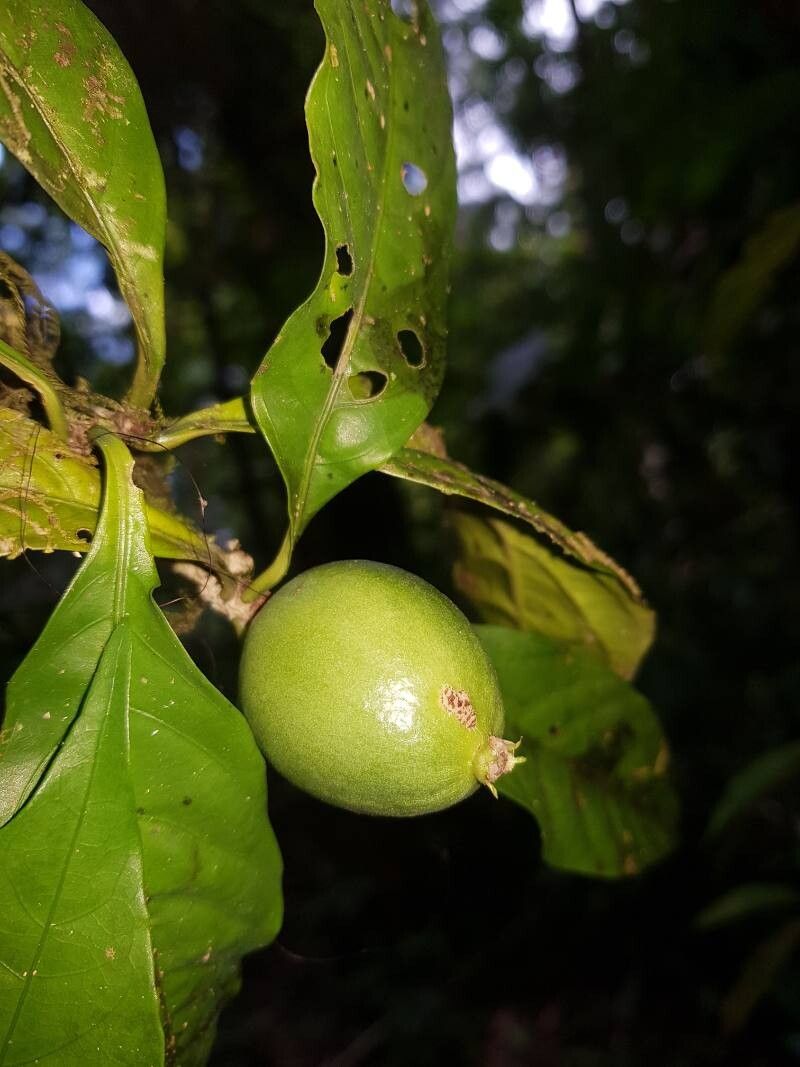
Hello fellow green thumbs!
Today, we’re diving into the wonderful world of Randia grandifolia. If you’re looking for a plant that rewards your efforts with beautiful blooms and a touch of the exotic, you’re in for a treat. The Randia grandifolia, with its stunning, fragrant flowers, is a real showstopper. And the best part? You can easily multiply this beauty for your own garden or to share with friends. Honestly, I find propagating it deeply rewarding, and I think you will too! For beginners, it’s a moderately challenging plant to start with, but with a little patience and the right approach, you’ll be successful.
The Best Time to Start
The absolute best time to propagate Randia grandifolia is in the late spring or early summer. This is when the plant is actively growing and has plenty of energy to put into developing new roots. Look for stems that are neither brand new and incredibly soft, nor old and woody. You’re aiming for that sweet spot, often called ‘semi-ripe’ wood.
Supplies You’ll Need
Gathering your supplies beforehand makes the whole process much smoother. Here’s what I always have on hand:
- Sharp pruning shears or a clean knife: For taking nice, clean cuttings.
- Rooting hormone: This really gives your cuttings a boost. Look for one specifically for woody or semi-woody plants.
- A well-draining potting mix: I like a blend of equal parts perlite, peat moss, and compost. A good quality seed starting mix will also work.
- Small pots or seed trays: Clean ones are crucial to prevent disease.
- A mister or spray bottle: For keeping humidity levels up.
- A plastic bag or clear propagator lid: To create a mini-greenhouse effect.
- Optional: A heat mat: This isn’t essential, but it can speed up rooting considerably, especially in cooler conditions.
Propagation Methods
There are a couple of ways to get new Randia grandifolia plants going. I primarily use stem cuttings, which I find to be the most reliable.
Stem Cuttings:
- Select a stem: Find a healthy, mature stem from your Randia grandifolia. As I mentioned, aim for that semi-ripe stage. It should be firm but still slightly pliable.
- Make your cut: Using your clean shears or knife, cut a section of stem that is about 4-6 inches long. Make the cut just below a leaf node (where a leaf attaches to the stem). These nodes are packed with the growth hormones that will encourage rooting.
- Prepare the cutting: Gently remove any leaves from the bottom half of the cutting. You can leave one or two sets of leaves at the top, but be sure to trim those leaves in half. This reduces water loss through transpiration while still allowing for photosynthesis.
- Apply rooting hormone: Dip the cut end of the stem into your rooting hormone. Tap off any excess.
- Plant your cutting: Fill your small pots with your prepared potting mix. Make a hole in the center with your finger or a pencil. Insert the cutting into the hole, ensuring the rooting hormone is covered. Gently firm the soil around the base of the cutting.
- Water lightly: Water the soil thoroughly but gently. You don’t want to saturate it.
- Create a humid environment: Place the potted cutting into a clear plastic bag, tenting it over the pot. Alternatively, use a propagator lid. Make sure the leaves do not touch the plastic, as this can lead to rot.
- Find a warm spot: Place your cuttings in a bright location, but out of direct sunlight, which can scorch them. If you have a heat mat, place the pots on it now.
The “Secret Sauce” (Pro Tips)
Here are a couple of things I’ve learned over the years that make a big difference:
- The ‘heel’ trick: Sometimes, I’ll take a cutting by actually pulling a stem downwards from the parent plant, tearing it slightly. This can create a small ‘heel’ of older wood at the base, which often contains a higher concentration of rooting hormones and can lead to faster, more robust root development. Just clean up any torn bits before dipping in rooting hormone.
- Bottom heat is your friend: While not strictly essential, providing gentle bottom heat (around 70-75°F or 21-24°C) from a heat mat dramatically speeds up the rooting process for Randia grandifolia. It really mimics the warmth of summer soil and encourages those roots to get going.
Aftercare & Troubleshooting
Once your cuttings are planted, check them regularly. Keep the soil consistently moist but never waterlogged. You can mist the leaves every few days to maintain humidity, especially if you don’t have a propagator lid.
You’ll know your cuttings have rooted when you see new leaf growth or feel a gentle resistance when you tug lightly on the cutting. This usually takes anywhere from 4-8 weeks, depending on the conditions and whether you’re using bottom heat.
The most common problem you’ll encounter is rot. If you see the stem turning black or mushy at the soil line, or if leaves are yellowing and dropping off rapidly, it’s likely that your cutting has rotted. This is usually a sign of too much moisture and not enough air circulation. If you catch it early, you might be able to save it by removing the rotten part and replanting in fresh, drier mix, but often it’s a goner.
Once rooted, gradually acclimatize your new plant to normal room conditions by opening the plastic bag or propagator lid a little more each day over a week. Then, you can pot it up into a slightly larger container with fresh potting mix.
A Encouraging Closing
Propagating plants like Randia grandifolia is a journey. There will be successes, and there might be a few failures along the way – that’s just part of gardening! Don’t get discouraged if your first attempt doesn’t yield a forest of new plants. Stay patient, observe your cuttings, and most importantly, enjoy the incredible satisfaction of nurturing life from a simple stem. Happy propagating!
Resource:
https://identify.plantnet.org/k-world-flora/species/Randia%20grandifolia%20(Donn.Sm.)%20Standl./data