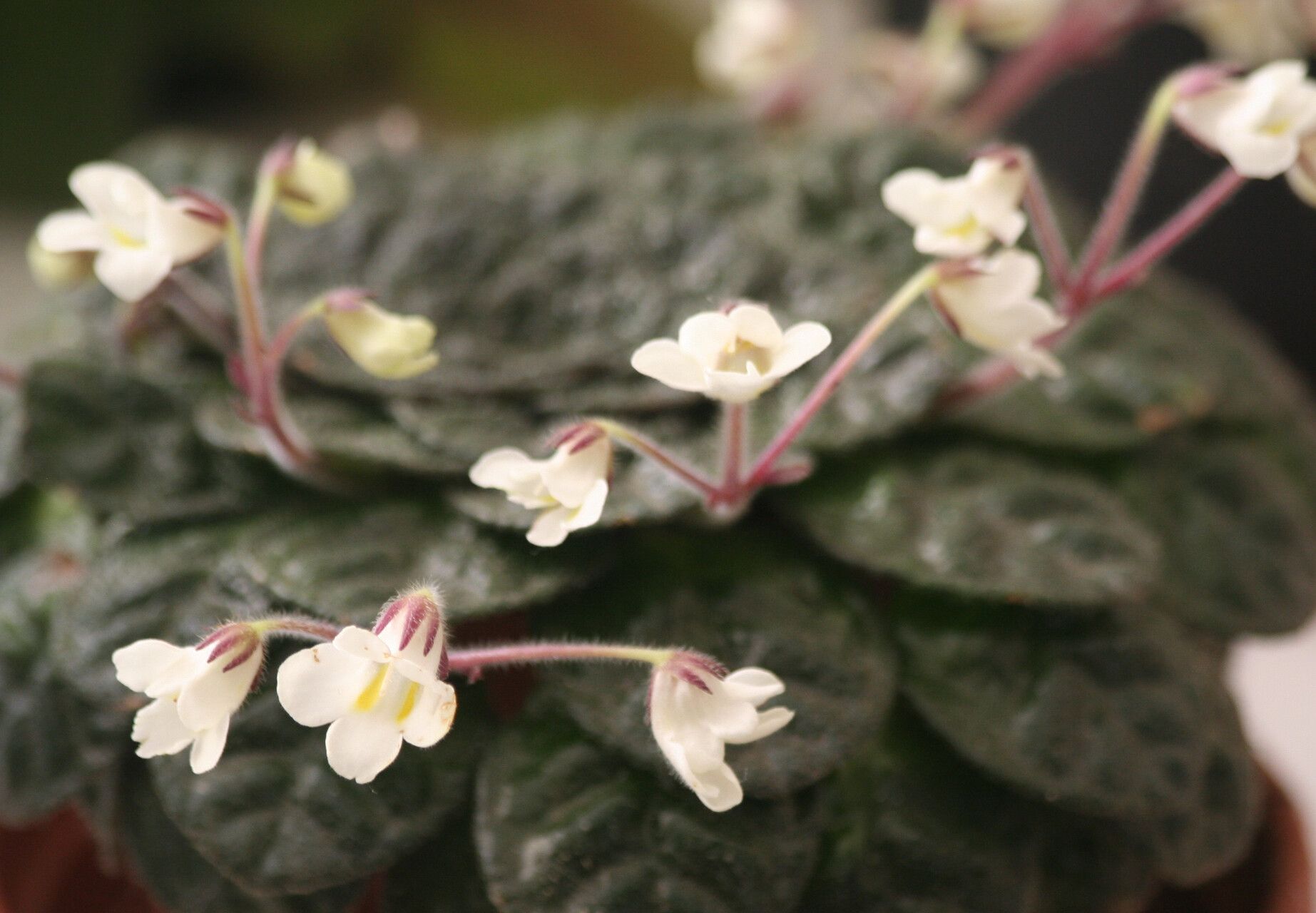
Hello, fellow plant enthusiasts! Today, we’re diving into the delightful world of Petrocosmea chrysotricha. If you’ve seen this beauty before, you know what I mean by its charm. Its velvety, textured leaves and delicate, often trumpet-shaped flowers are simply captivating. For me, propagating Petrocosmea is one of those joys that truly makes gardening feel magical. Watching a tiny piece of a plant grow into a whole new specimen? Pure satisfaction. Now, is it the easiest plant to propagate for absolute beginners? Perhaps not. But with a little patience and some good advice, I promise you, it’s absolutely achievable and incredibly rewarding.
The Best Time to Start
Generally, the spring and early summer months are your best bet for propagating Petrocosmea. This is when the plant is actively growing and has the most energy to put into developing new roots. Look for healthy, vigorous growth on your existing plant. You want to be taking cuttings from a plant that’s thriving, not one that’s stressed or struggling.
Supplies You’ll Need
Before we get our hands dirty, let’s gather our tools. Having everything ready always makes the process smoother:
- Sharp, clean pruning shears or a sterile knife: To make clean cuts.
- Well-draining potting mix: A good blend for Gesneriads or African violets works wonders. I often use a mix of peat or coco coir, perlite, and a bit of orchid bark.
- Small pots or propagation trays: Clean, of course!
- Rooting hormone (optional but recommended): A powder or gel can give cuttings a helpful boost.
- Plastic bags or a propagator lid: To create a humid environment.
- Watering can with a fine rose: For gentle watering.
- Misting bottle: For keeping humidity levels up.
- Labels and a marker: To keep track of your projects!
Propagation Methods
Petrocosmea is most commonly and successfully propagated through stem cuttings or leaf cuttings. Let’s walk through them.
Stem Cuttings
- Select your cutting: Look for a healthy stem that’s not too woody but has at least one or two sets of leaves.
- Make the cut: Using your clean shears or knife, cut the stem just below a leaf node (the point where a leaf attaches to the stem). You want a cutting that’s about 2-4 inches long.
- Prepare the cutting: Gently remove the lower leaves, leaving just the top set or two. This prevents leaves from rotting once they’re in the growing medium.
- Apply rooting hormone (optional): Dip the cut end of the stem into the rooting hormone, tapping off any excess.
- Plant the cutting: Make a small hole in your potting mix with a pencil or your finger. Insert the cutting, ensuring the leaf node is below the surface of the soil. Gently firm the soil around the stem.
- Water and cover: Water the pot gently until the soil is evenly moist but not soggy. Cover the pot with a plastic bag or place it in a propagator lid to maintain high humidity.
Leaf Cuttings
- Select a healthy leaf: Choose a plump, mature leaf from your plant.
- Make the cut: Carefully cut the leaf from the stem, leaving about an inch of the petiole (the stalk connecting the leaf to the stem).
- Prepare the leaf: You can plant the entire leaf, or if it’s a larger leaf, you can cut it in half, making sure each piece has a bit of the petiole attached. This method can even yield two new plants from one leaf!
- Apply rooting hormone (optional): Dip the cut end of the petiole into rooting hormone.
- Plant the leaf: Make a small hole in the soil and insert the petiole so it’s buried. If you’ve cut the leaf in half, insert the cut edge of the half-leaf into the soil, with the petiole angled upwards.
- Water and cover: Water gently and cover similarly to stem cuttings.
The “Secret Sauce” (Pro Tips)
Over the years, I’ve learned a few tricks that really seem to make a difference, especially with plants that appreciate a bit of extra care.
- Bottom Heat is Your Friend: Petrocosmea roots are really happy when the soil temperature is consistently warm. A gentle seedling heat mat placed underneath your pots can significantly speed up root development. Aim for a temperature around 70-75°F (21-24°C).
- Don’t Let Leaves Touch Water (in water propagation): While I’ve focused on soil propagation, if you opt for water propagation for a stem cutting, ensure the leaves NEVER touch the water. Only the cut stem should be submerged. Rot can set in incredibly quickly if they do.
- Patience with the Petiole: When planting leaf cuttings, sometimes you’ll see the leaf itself start to shrivel slightly before roots emerge from the buried petiole. This is normal! It’s essentially using up its stored energy to create new growth. Resist the urge to check too often.
Aftercare & Troubleshooting
Once your cuttings have been planted, they enter the waiting game. Keep them in a bright spot, but out of direct, harsh sunlight. The soil should remain consistently moist but never waterlogged. Misting the leaves occasionally will help maintain humidity.
You’ll start to see new growth emerge from the base of the cutting or along the stem. This is your sign that roots are forming! It can take anywhere from a few weeks to a couple of months, so don’t despair if you don’t see immediate results.
The most common issue you’ll encounter is rot. This usually happens if the soil is too wet, or if there’s poor air circulation. If you see a cutting turning mushy or black, it’s usually a sign of rot. Remove it immediately to prevent it from spreading to other cuttings. Sometimes, if you catch it early, you can even try to take a fresh cutting from a healthier part of the plant. Yellowing leaves on a leaf cutting can also indicate too much or too little water, or insufficient light.
A Little Bit of Patience Goes a Long Way
Propagating Petrocosmea chrysotricha is a journey, not a race. There will be moments of uncertainty, and maybe a cutting or two that doesn’t make it. But that’s all part of the learning process. Celebrate the successes, learn from the setbacks, and most importantly, enjoy the quiet satisfaction of nurturing new life. Happy propagating!
Resource: