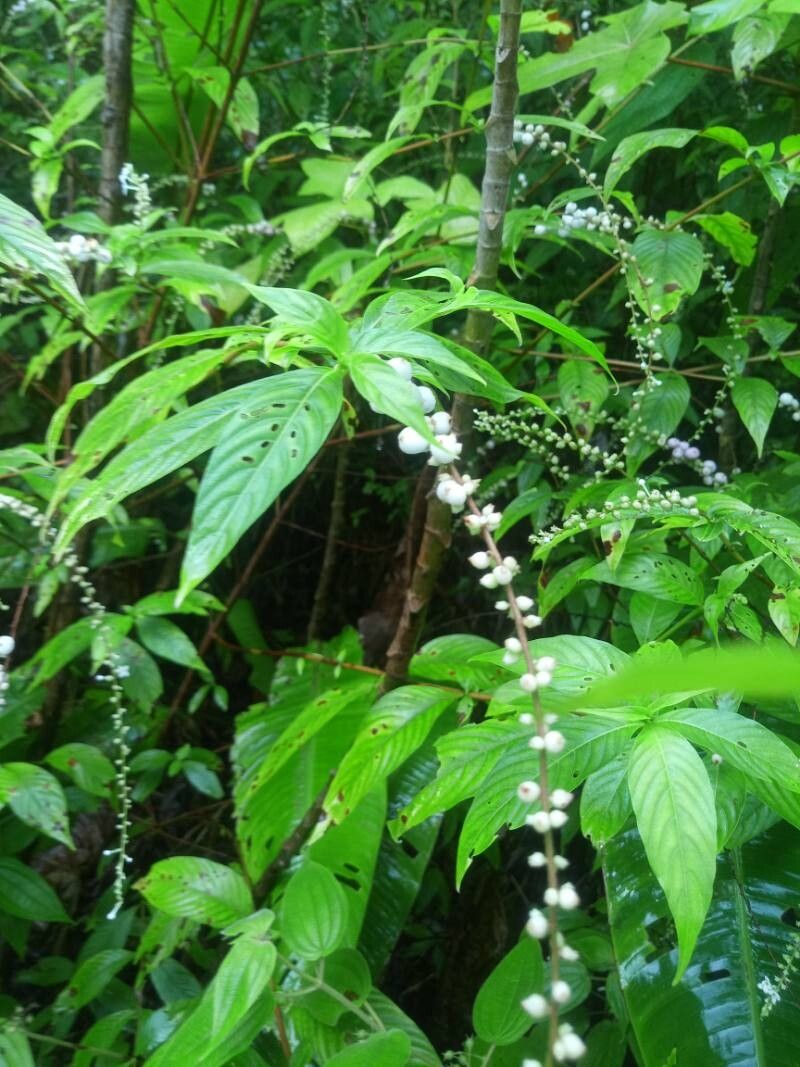
Hello, fellow plant lovers! Today, we’re diving into the wonderful world of propagation with a real gem: Gonzalagunia dicocca. If you’ve ever admired those vibrant blooms and glossy leaves, you’re in for a treat. There’s something truly special about nurturing a new plant from a tiny cutting. It’s a little act of creation, and I promise, it’s more achievable than you might think.
The Best Time to Start
For Gonzalagunia dicocca, the sweetest spot for propagation is during its active growing season. Think late spring and summer. This is when the plant has plenty of energy to put into growing new roots. You’re looking for stems that are somewhat mature but not woody. Softwood or semi-hardwood cuttings tend to be the most successful.
Supplies You’ll Need
Gathering your tools beforehand makes the whole process so much smoother.
- Sharp pruning shears or a clean knife: For making clean cuts.
- Rooting hormone: I find a gel or powder works well.
- Potting mix: A light, well-draining mix is crucial. I like to use a blend of perlite, peat moss, and a bit of potting soil.
- Small pots or seed trays: With drainage holes, of course!
- Plastic bags or a propagation dome: To maintain humidity.
- Watering can or spray bottle: For gentle watering.
- Labels: To keep track of your cuttings!
Propagation Methods
Let’s get our hands dirty! I find stem cuttings to be the most reliable method for Gonzalagunia dicocca.
Stem Cuttings:
- Select your cutting: Find a healthy stem. Using your clean shears or knife, cut a section about 4-6 inches long. Make the cut just below a leaf node (where a leaf meets the stem).
- Prepare the cutting: Gently remove the lower leaves, leaving just a couple at the very top. This prevents them from rotting when in the soil.
- Apply rooting hormone: Dip the cut end of the stem into your rooting hormone, tapping off any excess.
- Plant the cutting: Make a small hole in your potting mix with a pencil or your finger. Insert the cutting, ensuring the node where you removed the leaves is buried. Firm the soil gently around it.
- Water and cover: Water the potting mix lightly. Then, cover the pot with a plastic bag or place it under a propagation dome to create a humid environment.
The “Secret Sauce” (Pro Tips)
Here are a few of my personal tricks that have really upped my propagation success rates:
- Bottom heat is your friend: If you have it, place your pots on a heat mat set to a low temperature. This encourages root development from below.
- Don’t let the leaves touch the water (if you were to try water propagation): While I prefer soil for Gonzalagunia dicocca, if you ever experiment with water propagation for other plants, always ensure the leaves aren’t submerged. Rot happens fast!
- Air circulation: While humidity is key, don’t suffocate your cuttings. Lift the plastic bag daily for a few minutes to allow for some air exchange. This helps prevent fungal issues.
Aftercare & Troubleshooting
Once you’ve planted your cuttings, patience is your best friend. Keep the soil consistently moist but not waterlogged. You should start to see signs of new growth, like tiny leaves emerging, within a few weeks to a couple of months. This is a good indicator that roots have formed. Once you see this, you can gradually acclimate your new plant to lower humidity by opening the bag or dome a little more each day.
The most common issue you might encounter is rot. If your cutting looks mushy or black, it’s likely rotted. This often happens from too much moisture and not enough air circulation. Don’t be discouraged; just try again with fresh cuttings and adjust your watering and humidity levels.
A Encouraging Closing
Propagating Gonzalagunia dicocca is a rewarding journey. There will be moments of triumph and maybe a few failures, but that’s all part of the learning process. Enjoy watching those tiny roots emerge and knowing you played a part in bringing a new life into your garden. Happy propagating!
Resource: