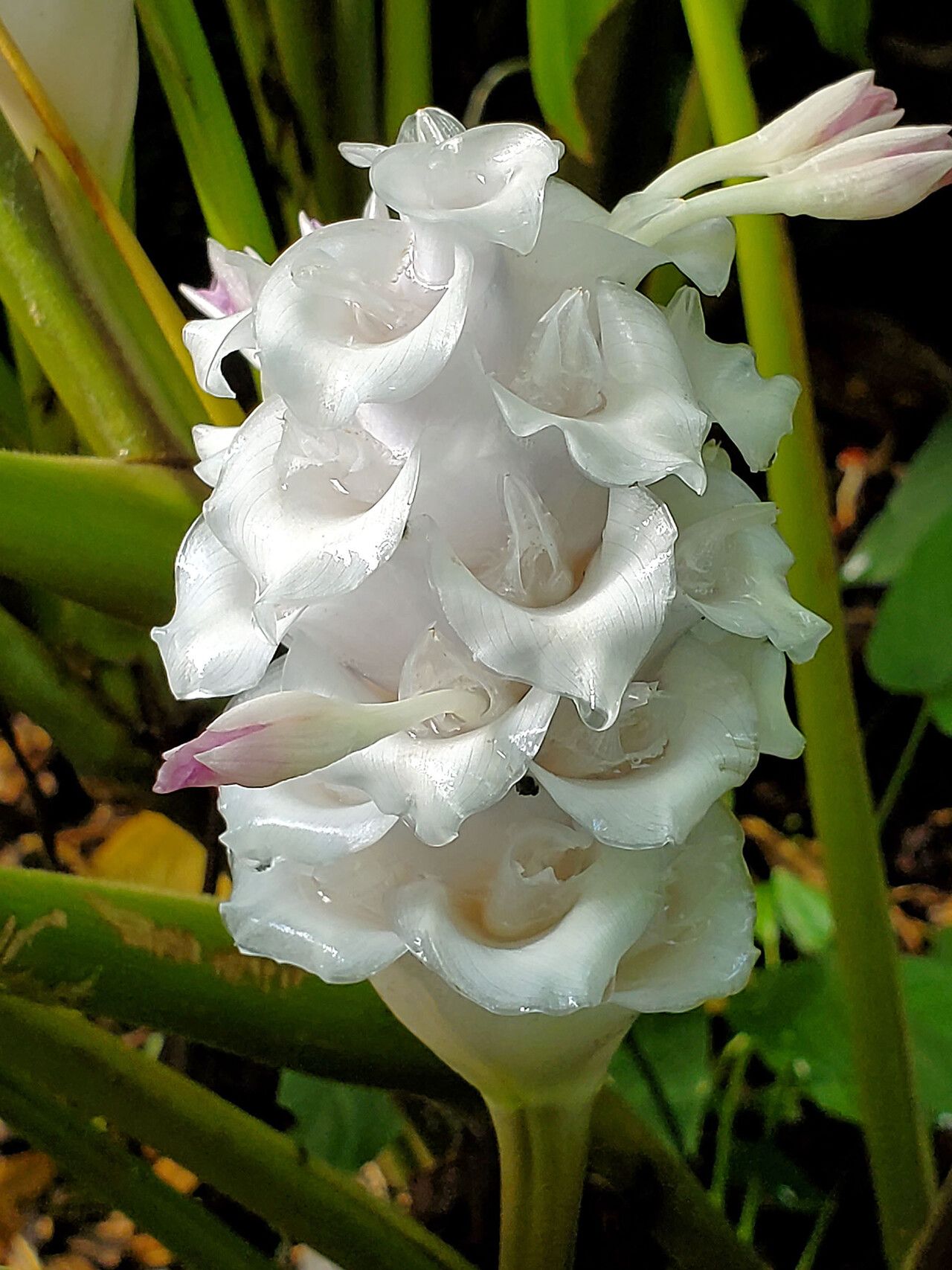
Oh, Goeppertia burle-marxii! Isn’t she a stunner? With those dramatic, dark arrowhead leaves often splashed with vibrant patterns, it’s no wonder this calathea has captured so many hearts. Propagating these beauties is incredibly rewarding. Watching a tiny bit of your cherished plant grow into a whole new one? Pure magic. Now, if you’re new to plant parenthood, I’d say Goeppertia burle-marxii is a moderate beginner plant for propagation. It’s not impossible, but it does appreciate a bit of pampering and attention to detail.
The Best Time to Start
For the highest success rate, I always aim to propagate my Goeppertia burle-marxii in spring or early summer. This is when the plant is naturally entering its most vigorous growth phase. It has plenty of energy stored up to put into making new roots and leaves. Trying it when the light levels are lower or the plant is a bit sluggish just makes things harder for everyone involved!
Supplies You’ll Need
Gathering your supplies beforehand makes the whole process so much smoother. Here’s what I always have on hand:
- Sharp Pruning Shears or a Clean Knife: Essential for making clean cuts.
- Well-Draining Potting Mix: A good blend of peat moss or coco coir, perlite, and some orchid bark works wonders for calatheas.
- Small Pots or Containers: Terracotta or plastic pots with drainage holes are perfect.
- Rooting Hormone (Optional but Recommended): A powder or gel can give your cuttings a good head start.
- Clear Plastic Bag or Humidity Dome: To maintain that crucial humidity.
- Spray Bottle: For misting.
- Watering Can: For gentle watering.
Propagation Methods
The most reliable way I’ve found to propagate Goeppertia burle-marxii is through division. These plants naturally form clumps, making them perfect candidates!
Propagation by Division:
- Gently Remove from Pot: Carefully take your Goeppertia burle-marxii out of its existing pot. If it’s stuck, a light tap on the sides usually helps.
- Inspect the Roots: Gently brush away some of the soil to get a good look at the root system and how the plant is growing. You’re looking for natural breaks where you can separate sections.
- Identify Growth Points: You want to see distinct sections, each with its own root system and at least a few healthy leaves or viable buds.
- Make the Cut (or Pull): With clean shears or your hands, gently separate a division from the main plant. The goal is to have a section that includes roots and a shoot or two. Sometimes you can gently pull them apart, other times a clean cut is necessary. Don’t force it too hard – you want to minimize damage to the roots.
- Pot Up the Divisions: Fill your small pots with your prepared potting mix. Make a little well in the center and place your division, spreading out the roots slightly.
- Backfill and Water: Gently add more potting mix around the roots, firming it lightly. Water thoroughly until you see water drain from the bottom.
- Create a Humid Environment: This is key! Place a clear plastic bag over the pot, ensuring it doesn’t touch the leaves, or use a humidity dome. This will keep the humidity high, which is what these tropical beauties crave.
The “Secret Sauce” (Pro Tips)
Here are a couple of things I’ve learned over the years that make a big difference:
- Don’t Overwater the New Divisions: While they need humidity, soggy soil is the fastest way to rot a new division. Let the top inch of soil dry out slightly between waterings. Trust your plant; it will tell you if it’s thirsty.
- Bottom Heat is Your Friend: Calatheas absolutely love a little warmth from below. Placing your potted divisions on a seed-starting heat mat (on a low setting) can significantly speed up root development. It mimics their natural tropical environment perfectly.
Aftercare & Troubleshooting
Once your divisions are potted up, keep them in bright, indirect light. Direct sun will scorch those delicate new leaves. Keep that humidity high and mist the leaves around them occasionally, but try to avoid wetting the leaves directly if you can, especially in lower light conditions as this can encourage fungal issues.
The most common sign of trouble is rot, which usually manifests as yellowing leaves that quickly turn mushy and black. This is almost always due to overwatering and poor air circulation. If you see this happening, pull the division out, trim away any rotted parts with clean shears, and repot in fresh, slightly drier mix. Another sign of stress can be wilting leaves that don’t perk up after watering. This could also point to root damage during division or a lack of sufficient humidity.
A Encouraging Closing
Propagating Goeppertia burle-marxii takes a little patience, but the joy of seeing those new shoots emerge and grow into robust plants is absolutely worth it. Don’t be discouraged if your first attempt isn’t perfect. Every plant and every situation is a little different. Just keep observing, keep learning, and most importantly, keep enjoying the journey of nurturing your green companions. Happy propagating!
Resource: