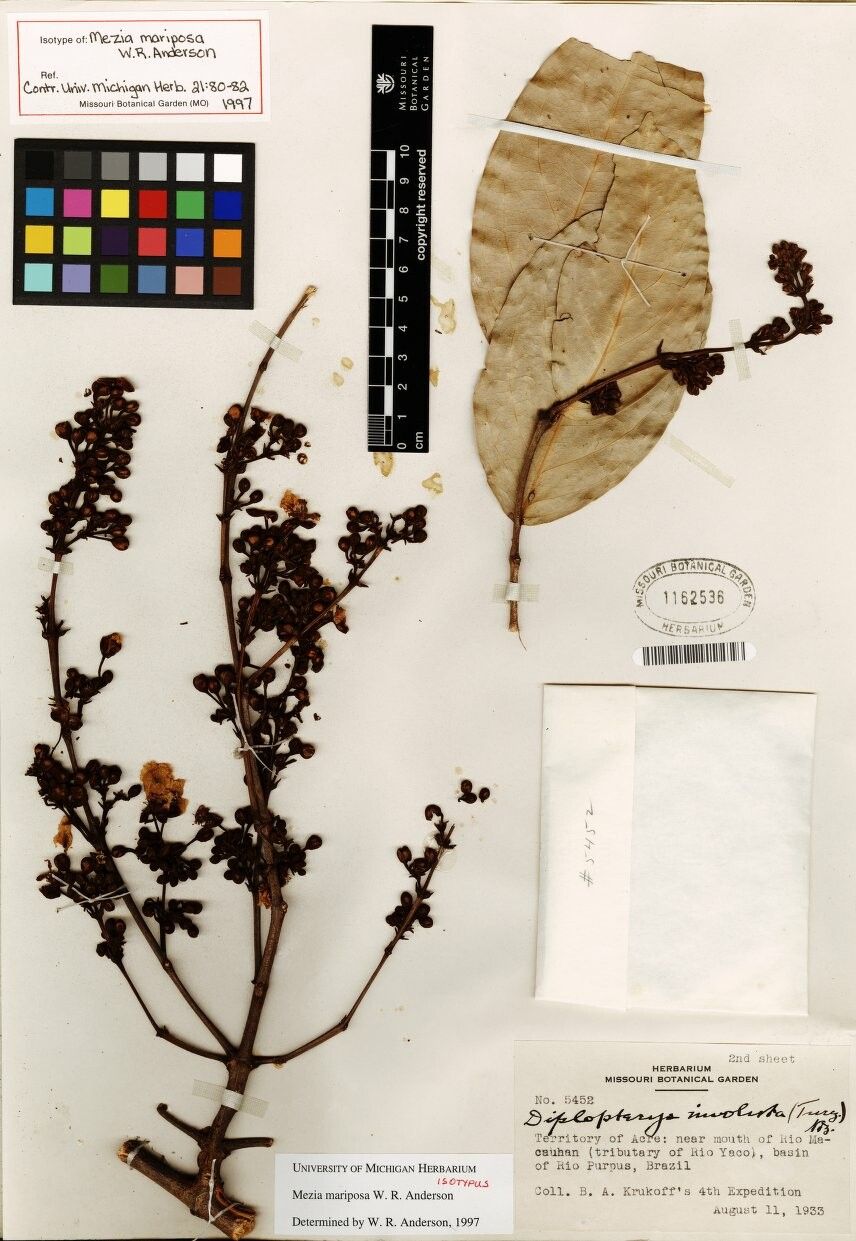
Oh, Mezia mariposa! Isn’t she a beauty? With her delicate blooms and that certain je ne sais quoi, she’s a star in my garden. And the best part? Sharing her joy by propagating her is incredibly rewarding. Think of it as creating little pieces of magic to share with friends or to fill up those empty spots in your own landscape. For beginners, she’s moderately easy, with a little patience and a few key steps, you’ll be well on your way.
The Best Time to Start
For Mezia mariposa, spring is your golden ticket. As the weather warms and she enters her active growing season, you’ll find she’s most receptive to propagation. Look for new growth that’s firm but not yet woody. This is when she’s brimming with energy and ready to sprout roots.
Supplies You’ll Need
Gathering your supplies beforehand makes the whole process so much smoother. Here’s what you’ll want to have on hand:
- Sharp, clean pruning shears or a knife: A clean cut is crucial.
- Rooting hormone (optional, but helpful!): This gives your cuttings a nice little boost.
- Well-draining potting mix: A standard houseplant mix amended with perlite or sand works wonderfully. You want to avoid soggy soil at all costs.
- Small pots or seed trays: Clean and ready for your new plants.
- Plastic bags or a propagation dome (optional): This creates a humid environment, which is a big help.
- Watering can with a fine rose: Gentle watering is key.
Propagation Methods
Let’s get our hands dirty! Here are a couple of reliable ways to multiply your Mezia mariposa:
Stem Cuttings
This is my go-to method for Mezia mariposa.
- Select your stems: Find those healthy, non-flowering shoots. Aim for pieces about 4-6 inches long.
- Make the cut: Using your clean shears, cut just below a leaf node (where a leaf meets the stem). This is where roots are most likely to form.
- Remove lower leaves: Gently strip off the leaves from the bottom half of the cutting. This prevents them from rotting once planted.
- Dip in rooting hormone (if using): Lightly dip the cut end into your rooting hormone powder. Tap off any excess.
- Plant your cuttings: Stick the cut end about an inch or two into your prepared potting mix. Gently firm the soil around the base.
- Water gently: Give your cuttings a good but gentle watering. You want the soil to be moist, not waterlogged.
- Create humidity (optional): Pop a plastic bag loosely over the pot or cover with a propagation dome. This keeps the humidity high, which is what cuttings crave.
Water Propagation
This method is satisfying to watch!
- Take cuttings: Follow steps 1 and 2 from the stem cutting method.
- Remove lower leaves: Just like with soil cuttings, remove any leaves that would sit below the water level.
- Place in water: Put the cuttings in a clean jar or vase filled with fresh water.
- Location, location, location: Place the jar in a bright spot, but out of direct sunlight. This can scorch those delicate cuttings.
- Change the water regularly: Refresh the water every few days to keep it clean and oxygenated.
The “Secret Sauce” (Pro Tips)
Here are a few little tricks I’ve learned over the years that can really up your propagation game:
- Don’t let the leaves touch the water: Whether in a jar or a pot, any leaves submerged in water are a one-way ticket to rot. Pinch them off!
- Bottom heat makes a difference: If you’re serious about propagating, consider a seedling heat mat. It provides gentle warmth from below, encouraging roots to form much faster. You’ll be amazed at the difference it makes.
- Be patient with flower buds: If your cutting has a tiny flower bud forming, it’s often best to gently pinch it off. Your cutting needs all its energy to focus on growing roots, not flowers.
Aftercare & Troubleshooting
Once you see roots forming – hooray! For cuttings rooted in water, you’ll notice them appearing from the nodes. Once they are about an inch long, it’s time to pot them up into soil. For those in soil, you might feel a slight resistance when you gently tug on a cutting – that’s a good sign!
Keep the soil consistently moist but not soggy. Continue with the high humidity until the new plants are established.
The most common issue you’ll face is rot. If a cutting turns black and mushy, it’s usually a sign of too much moisture and not enough air circulation. Try to remove affected parts immediately and improve drainage and ventilation. Yellowing leaves can indicate overwatering or insufficient light.
A Encouraging Closing
Propagating Mezia mariposa is a journey, and like all good adventures, it has its moments of excitement and a dash of patience required. Don’t be discouraged if a cutting doesn’t make it – it happens to us all! Just try again, learn from the experience, and most importantly, enjoy the magical process of growing new life with your own two hands. Happy gardening!
Resource:
https://identify.plantnet.org/k-world-flora/species/Mezia%20mariposa%20W.R.Anderson/data