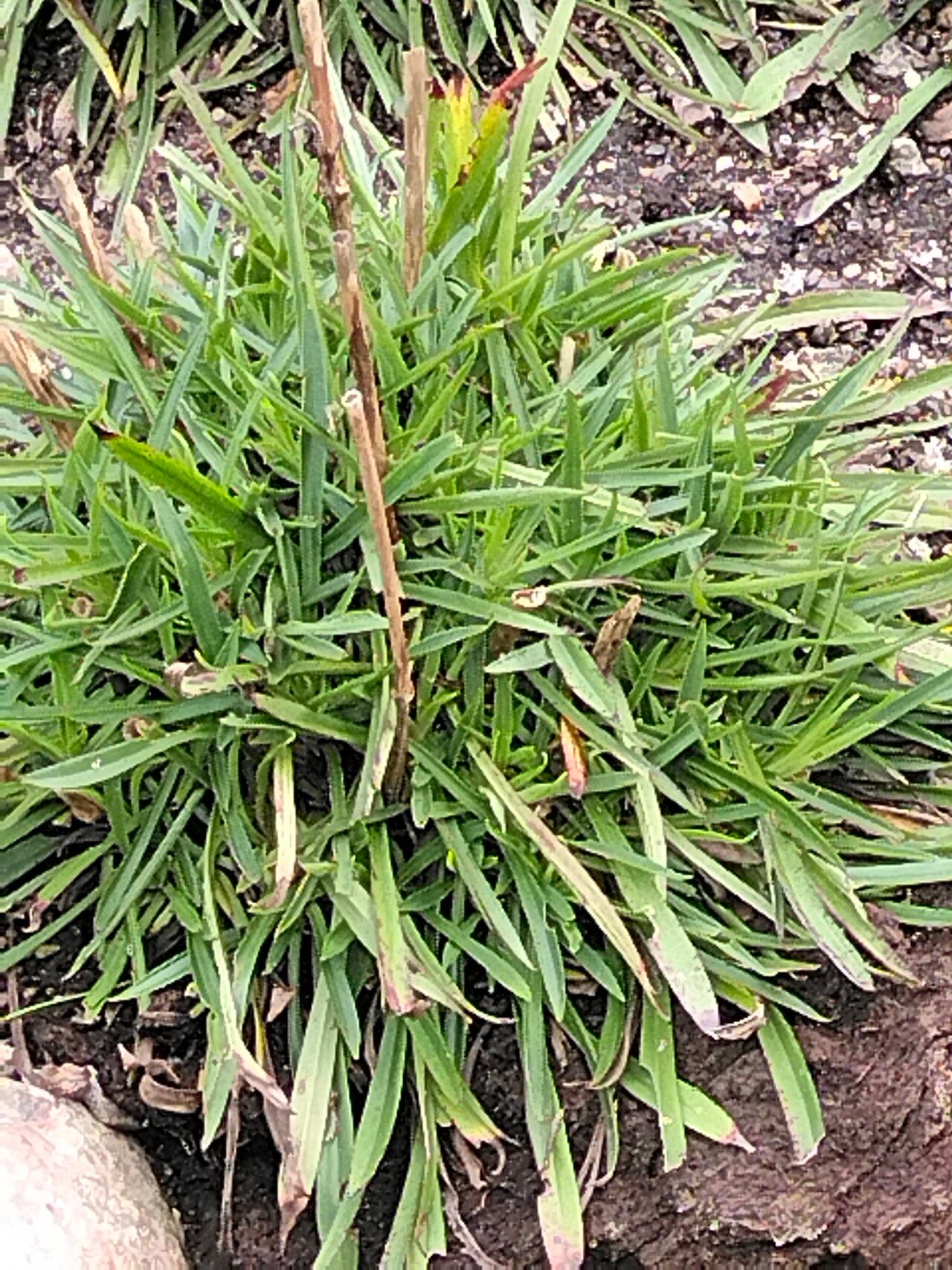
Hey there, fellow garden enthusiasts! It’s so wonderful to have you join me for a chat about one of my personal favorites: Silene chungtienensis.
This beauty, with its delicate, ruffled blooms and a knack for attracting pollinators, is a joy to have gracing any garden. Its charming appearance and the satisfaction of growing it from scratch make propagation a really rewarding endeavor. Now, I’ll be honest, it’s not the absolute easiest plant for a brand-new gardener to tackle, but with a little care and the right approach, you’ll find it’s absolutely achievable.
The Best Time to Start
For the highest success rate with Silene chungtienensis, I always find late spring to early summer to be the sweet spot. This is when the plant is actively growing and has plenty of energy to put into developing new roots. You can also try in early autumn, aiming for cuttings from the current season’s growth before the plant goes fully dormant.
Supplies You’ll Need
Before we get our hands dirty, let’s make sure we’ve got everything ready. That way, when the inspiration strikes, we can jump right in.
- Sharp pruning shears or a clean, sharp knife: For taking nice, clean cuttings.
- Rooting hormone (optional but recommended): This can give your cuttings a helpful boost.
- Small pots or seed trays: For housing your cuttings.
- Well-draining potting mix: A good blend of peat moss, perlite, and a little bit of compost works wonders. You can also find specific succulent or cactus mixes that will do the trick.
- Plastic bags or a mini-greenhouse: To keep the humidity high around your cuttings.
- Watering can with a fine rose or a spray bottle: For gentle watering.
- Labels and a permanent marker: To keep track of everything!
Propagation Methods
Let’s dive into how we can get more of these lovely plants! I find stem cuttings to be the most reliable method for Silene chungtienensis.
Stem Cuttings:
- Select your material: Look for healthy, non-flowering stems on your established plant. You want stems that are firm but not woody.
- Take the cut: Using your clean shears or knife, take cuttings that are about 3-4 inches long. Make your cut just below a leaf node (where a leaf attaches to the stem).
- Prepare the cutting: Gently remove the lower leaves from the bottom half of the cutting. You want to expose a few leaf nodes.
- Apply rooting hormone (optional): If you’re using rooting hormone, dip the cut end of the stem into the powder, tapping off any excess.
- Plant your cuttings: Fill your small pots with your well-draining potting mix. Make a small hole with your finger or a pencil and carefully insert the cut end of the stem, ensuring the lowest leaf nodes are buried. Gently firm the soil around the cutting.
- Water gently: Water the potting mix thoroughly but be careful not to dislodge your cuttings.
- Create a humid environment: Cover the pot loosely with a plastic bag, or place it in a mini-greenhouse. This traps moisture and encourages rooting.
- Place in bright, indirect light: Find a spot that gets plenty of light but no direct scorching sun.
The “Secret Sauce” (Pro Tips)
Now, here are a couple of things I’ve learned over the years that can really make a difference.
- Don’t overcrowd your pots: Give each cutting its own space. Packing them too tightly can lead to fungal issues and poor air circulation, which is the enemy of new cuttings.
- Bottom heat is your friend: If you have a heat mat, placing your pots on it can significantly speed up the rooting process. The warmth encourages root development from below.
- Watch for “callusing”: Sometimes, before roots form, the cut end of the stem will develop a slight dry patch, or callus. This is a good sign that the plant is preparing to root and healing itself.
Aftercare & Troubleshooting
Once you start seeing signs of new growth, that’s a big indicator that roots are forming! You can gently tug on the cutting – if there’s resistance, you’ve got roots.
- Acclimate slowly: Once roots have developed, gradually remove the plastic bag or open the vents on your mini-greenhouse over a week or two to help the new plants adjust to normal humidity.
- Water consistently, but don’t overwater: Keep the soil consistently moist but not soggy. Let the top inch of soil dry out slightly between waterings.
- Watch for rot: The most common issue you’ll encounter is rot, especially if the soil stays too wet or the air circulation is poor. If you see stems turning mushy or blackening, unfortunately, that cutting is likely lost. Remove it immediately to prevent it from spreading.
- Transplant when ready: Once your new plants have a good root system and are showing vigor, you can carefully transplant them into slightly larger pots.
A Little Encouragement
Growing plants from cuttings is a journey, and sometimes there are a few bumps along the way. Don’t get discouraged if not every cutting takes. Each attempt is a learning experience, and the joy of seeing those tiny roots emerge and a new plant unfurl is absolutely worth the effort. Be patient, enjoy the process, and soon you’ll be surrounded by even more beautiful Silene chungtienensis! Happy gardening!
Resource:
https://identify.plantnet.org/k-world-flora/species/Silene%20chungtienensis%20W.W.Sm./data