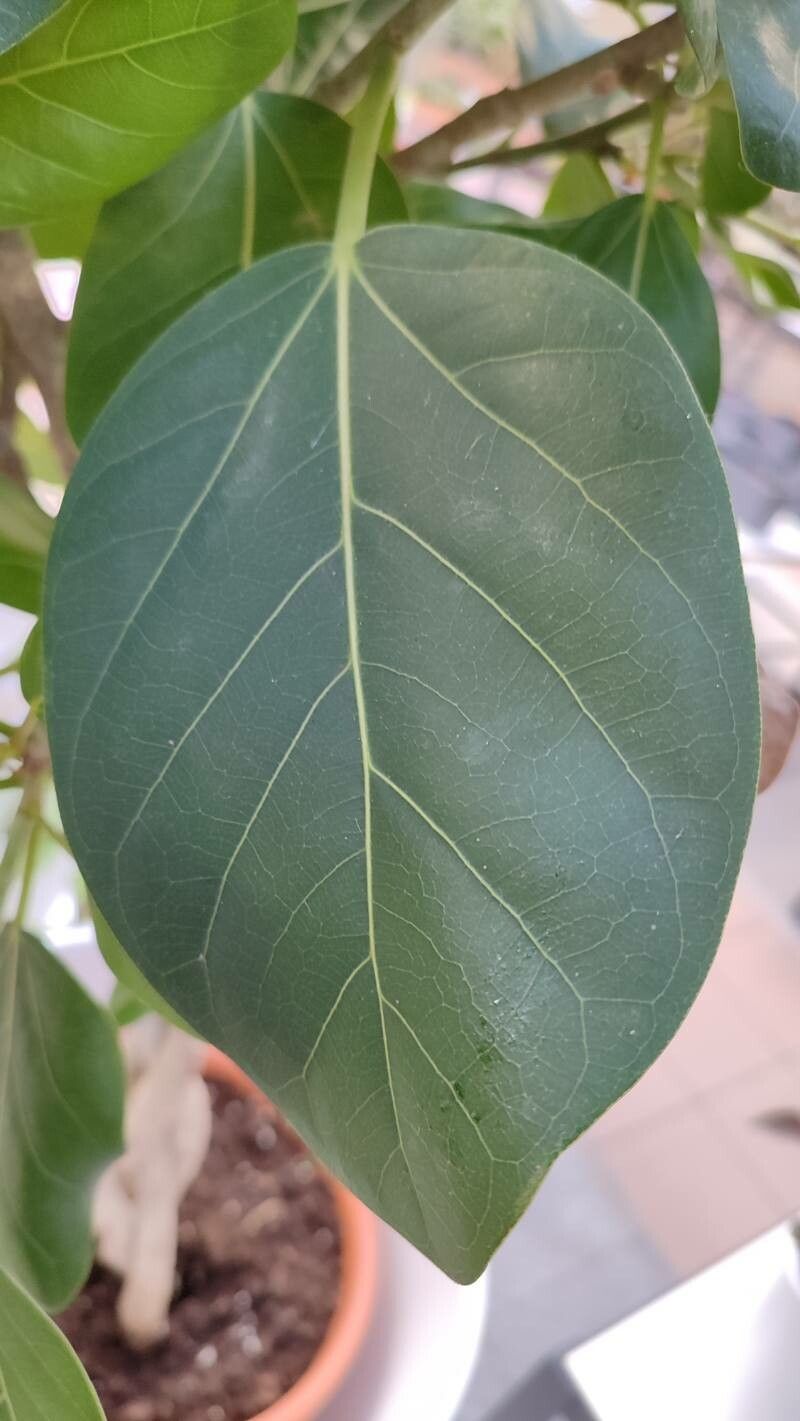
Oh, the Banyan tree! Or, as we know it in the horticultural world, Ficus benghalensis. Isn’t it just magical? These giants, with their aerial roots that create new trunks and spread out like a miniature forest, have a way of capturing the imagination. Growing your very own from a cutting feels like a little piece of that enchantment you can hold in your hands. It’s a truly rewarding process, and I’m here to walk you through it.
Many people wonder if Ficus benghalensis is a tough one to propagate. Honestly, I’d say it’s moderately easy. With a little patience and the right approach, you’ll be seeing new roots emerge before you know it. It’s a fantastic project for those looking to step up their propagation game!
When is the Best Time to Get Started?
For Ficus benghalensis, the sweet spot for propagation is definitely spring and early summer. This is when the plant is naturally bursting with new growth. The warmer temperatures and longer days give your cuttings the energy they need to root successfully. You’re aiming for cuttings from new, but firm, woody growth – not the super soft, bendy new shoots, but also not the completely hard, old branches. Think of it as a pencil-thick stem that has a bit of give but doesn’t snap easily.
Your Propagation Toolkit
Here’s what you’ll want to gather before you begin:
- A sharp, clean pair of pruning shears or a knife. Sterilize them with rubbing alcohol to prevent any nasty infections.
- Rooting hormone. This isn’t strictly essential, but it really gives your cuttings a boost. I prefer a powder form.
- Small pots. Standard nursery pots or even recycled yogurt cups with drainage holes work perfectly.
- A good well-draining potting mix. I like to use a blend of equal parts perlite, coco coir, and a good quality potting soil. You could also use straight perlite or a specialized succulent/cactus mix.
- A plastic bag or a propagation dome to create a humid environment.
- A spray bottle filled with clean water.
- Optional, but helpful: A heat mat for bottom warmth.
Let’s Get Cutting: Propagation Methods
There are a couple of ways we can go about this. I find stem cuttings are the most consistent for Ficus benghalensis.
Method 1: Stem Cuttings
This is my go-to method for these beautiful trees.
- Take Your Cuttings: Using your sterilized shears, select a healthy stem and make a cut just below a leaf node (where a leaf attaches to the stem). Aim for cuttings that are about 6-8 inches long. Remove the lower leaves, leaving just the top couple of leaves to prevent them from rotting in the soil or water.
- Apply Rooting Hormone: Dip the cut end of the stem into your rooting hormone. Tap off any excess. Just the tip needs to be coated.
- Pot Them Up: Fill your small pots with your well-draining mix. Make a small hole in the center of the soil with your finger or a pencil. Gently insert the cutting into the hole, ensuring the rooting hormone-coated end is fully in contact with the soil. Firm the soil around the base of the cutting.
- Water Gently: Water the soil thoroughly until you see drainage from the bottom of the pot.
- Create Humidity: Place a plastic bag loosely over the pot, or put the pot inside a propagation dome. This creates a mini-greenhouse effect. Make sure the leaves don’t get crushed by the plastic.
Method 2: Water Propagation (with a Caveat!)
You can also try rooting these in water, but there’s a crucial detail with Ficus.
- Prepare Your Cutting: Follow steps 1 and 2 from the stem cutting method.
- Place in Water: Put the cutting in a clean glass jar or vase filled with room-temperature water.
- The Crucial Detail: Ensure no leaves are submerged in the water. If a leaf touches the water, it will rot, and this can take down your entire cutting. Change the water every few days to keep it fresh. You’ll often see white, milky sap oozing from the cut end – this is normal!
The “Secret Sauce”: My Insider Tips
- Don’t be afraid of the sap! Ficus trees often exude a milky white sap when cut. It’s harmless, but it can be a bit sticky. I like to rinse the cut end under cool water for a moment or two to get rid of excess sap before dipping in rooting hormone. It just seems to help the hormone adhere better.
- Bottom heat is your best friend. If you have a heat mat, place your potted cuttings on it. This gentle warmth encourages root development from below, significantly speeding up the process and increasing your success rate. It truly makes a noticeable difference.
- Give them space! When taking multiple cuttings, don’t overcrowd them in the same pot. Each cutting needs its own space to develop roots without competing. If you’re using a propagation tray, give each cutting its own cell.
Aftercare and What to Watch For
Once you’ve got your cuttings potted or submerged, the waiting game begins. Keep the soil consistently moist but never soggy. You should see a bit of condensation forming on the inside of your plastic bag or dome – that’s a good sign the humidity is right.
Roots can take anywhere from 4 to 8 weeks, sometimes longer, to develop. You can gently tug on the cutting; if there’s resistance, you likely have roots! For water propagation, you’ll see them emerge from the cut end. Once you see a decent root system (about an inch long), it’s time to pot them up into a slightly larger pot with your well-draining potting mix, just like you did with the initial cuttings.
What if things go wrong? The most common issue is rot. If your cutting turns mushy and black, or develops fuzzy mold, it’s usually a sign of too much moisture and not enough air circulation. If the leaves turn yellow and drop off, it could be a sign of too little light or inconsistent watering. Don’t despair if a few don’t make it – that’s all part of the learning curve! Just try again.
Go Forth and Grow!
Propagating Ficus benghalensis is such a rewarding way to expand your plant family. Be patient with your new little trees. Watching those first tiny roots emerge is pure magic. Enjoy the process, learn from each cutting, and before you know it, you’ll have a whole collection of these magnificent plants! Happy growing!
Resource:
https://identify.plantnet.org/k-world-flora/species/Ficus%20benghalensis%20L./data