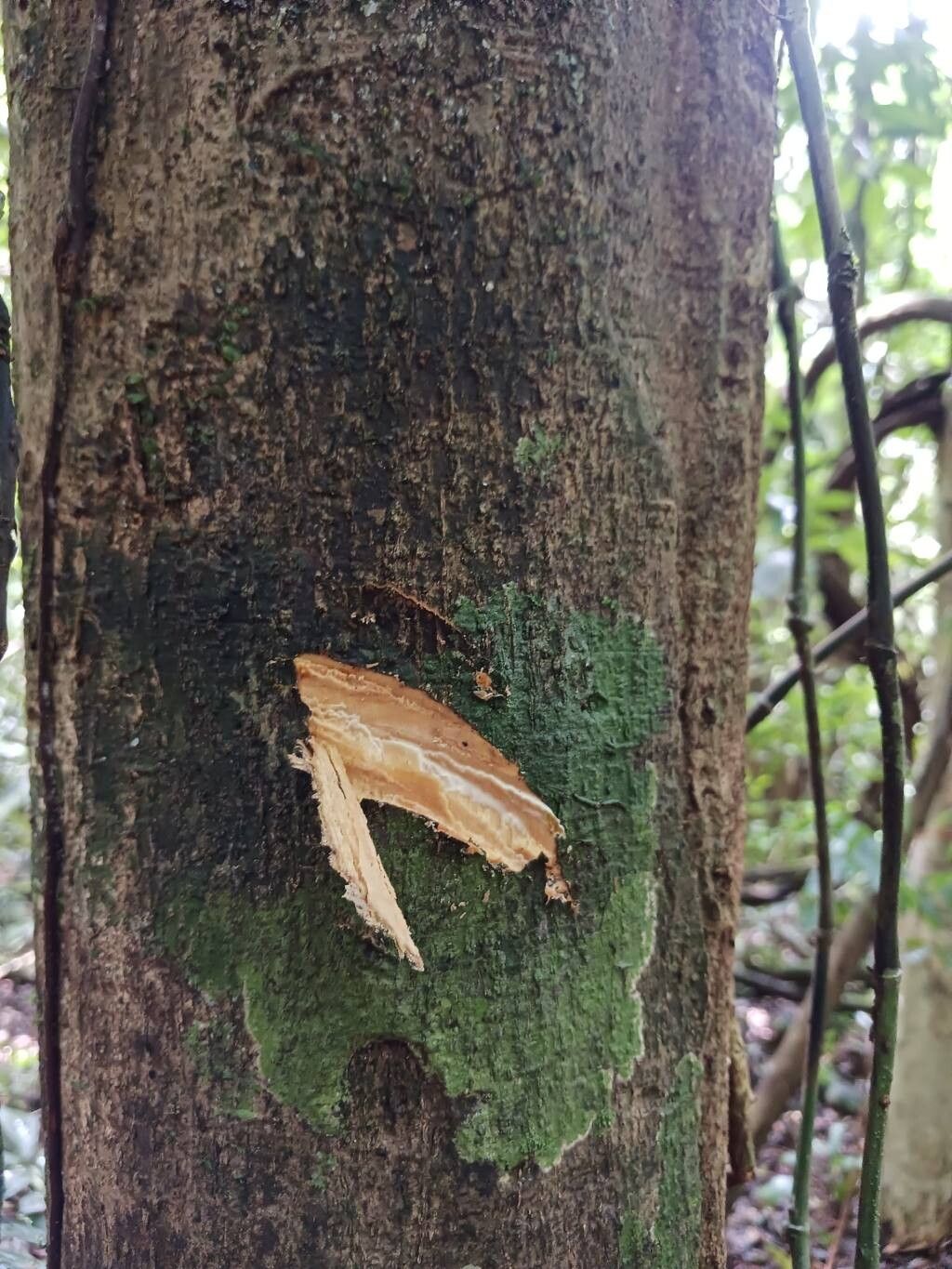
Oh, hello there! Pull up a chair and let’s chat about Chrysophyllum lucentifolium, also known as Glittering Star Leaf. Isn’t it just a stunner? Those glossy, almost iridescent leaves can truly bring a touch of the tropics to your space, and believe me, coaxing a new one into existence from a parent plant is one of the most satisfying gardening projects I’ve had the pleasure of undertaking. It’s a moderately easy plant to propagate, which makes it a wonderful choice for those looking to expand their collection without too much fuss.
The Best Time to Start
For Chrysophyllum lucentifolium, your best bet is to propagate in late spring or early summer. This is when the plant is actively growing and has plenty of energy to put into developing new roots. You’re looking for stems that are firm and have a bit of give, not brand new, sappy growth or old, woody bits. Think of the plant happily stretching out after a long winter nap – that’s prime time.
Supplies You’ll Need
Gathering your supplies beforehand makes the whole process much smoother. Here’s what I find most helpful:
- Sharp Pruning Shears or a Clean Knife: For making clean cuts.
- Rooting Hormone (Optional but Recommended): A good quality rooting powder can really give your cuttings a boost.
- Well-Draining Potting Mix: I often use a mix of coco coir, perlite, and a little bit of peat moss. You can also buy specific propagation mixes.
- Small Pots or Trays: Clean, with drainage holes, of course!
- Clear Plastic Bag or Humidity Dome: To create a mini greenhouse environment.
- Watering Can or Spray Bottle: For gentle watering.
- Chopsticks or a Pencil: To make holes for your cuttings.
Propagation Methods
There are a couple of ways to go about this, but my favorite for Chrysophyllum lucentifolium is definitely stem cuttings.
- Select Your Cuttings: Look for a healthy stem on your mature plant. You want a piece that’s about 4 to 6 inches long. Make your cut just below a leaf node (where the leaf attaches to the stem). This is where the magic happens, where roots are most likely to form.
- Prepare the Cuttings: Gently remove the lower leaves from your cutting, leaving just a couple of leaves at the very top. If the leaves are very large, you can even cut them in half horizontally to reduce water loss.
- Apply Rooting Hormone (If Using): Dip the cut end of the stem into your rooting hormone, tapping off any excess.
- Plant Your Cuttings: Fill your small pots with your prepared potting mix. Use a chopstick or pencil to make a hole in the center of the soil. Carefully insert the cutting into the hole, ensuring the leaf nodes that were buried are now in contact with the soil. Gently firm the soil around the cutting.
- Create a Humid Environment: Water the soil gently. Then, cover the pot with a clear plastic bag, securing it with a rubber band around the rim, or place it under a humidity dome. This keeps the moisture in, which is crucial for cuttings.
- Provide Light: Place the pots in a bright spot, but out of direct sunlight. A north-facing window or a spot with filtered light is perfect.
The “Secret Sauce” (Pro Tips)
Having done this a time or two, here are my little tricks I’ve learned along the way:
- Don’t Overwater: This is probably the biggest culprit for failure. You want the soil to be consistently moist, but not soggy. Soggy soil is an invitation for rot. I often let the top inch of soil dry out slightly before watering again.
- Consider Bottom Heat: If you have a heat mat you use for seedlings, pop your propagation pots onto it. A bit of gentle warmth from below can significantly speed up root formation. Just make sure your pots have good drainage so moisture doesn’t build up.
Aftercare & Troubleshooting
Once you’ve got your cuttings planted, the waiting game begins! It can take anywhere from 4 to 8 weeks, or even longer, for roots to establish. You’ll know things are progressing when you see new leaf growth.
What to do:
- Check for Roots: Gently tug on the cutting. If you feel resistance, it’s a good sign that roots have formed. You can also try to carefully peek at the drainage holes for any root tips.
- Acclimate Gradually: Once roots are established, you’ll want to gradually introduce your new plant to normal humidity levels. Start by opening the plastic bag or dome for a few hours each day, slowly increasing the time over a week or so.
- Pot Up: When your new plant has a decent root system and has been acclimatized, you can transplant it into a slightly larger pot with fresh potting mix.
Common Signs of Failure:
- Yellowing Leaves: This can indicate overwatering or too much direct sun.
- Wilting or Drooping: Could be underwatering, or if the stem is mushy, it’s likely rot.
- Black, Mushy Stem: This is a clear sign of rot, usually caused by too much moisture and poor air circulation. If you see this, unfortunately, that cutting is likely lost.
A Encouraging Closing
Don’t be discouraged if not every cutting takes. Gardening is all about learning and experimenting! Each plant you propagate is a little victory, a testament to your care and patience. So go ahead, get your hands dirty, and enjoy the rewarding process of bringing more of these beautiful Glittering Star Leaves into your life. Happy propagating!
Resource:
https://identify.plantnet.org/k-world-flora/species/Chrysophyllum%20lucentifolium%20Cronquist/data