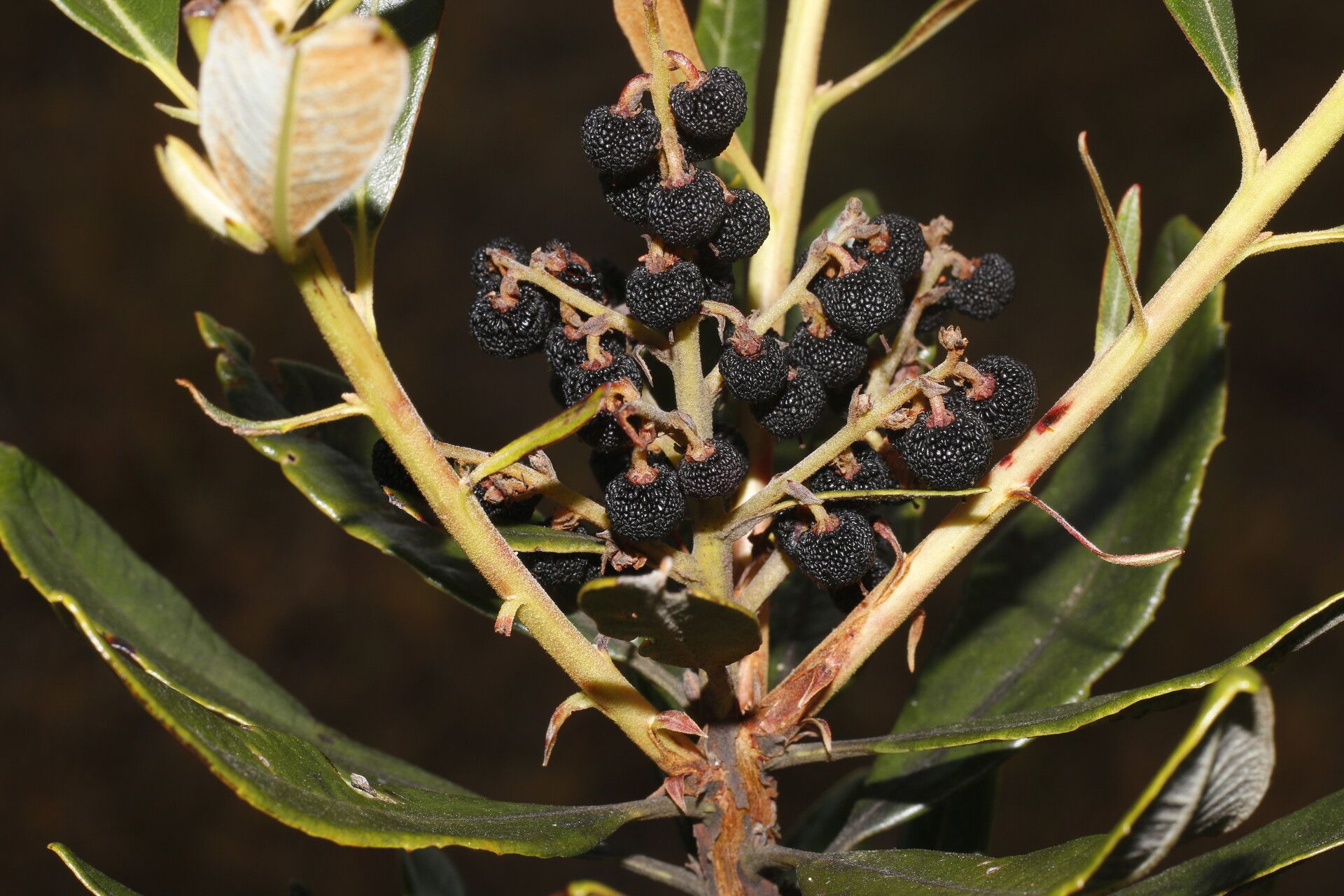
Hello fellow plant enthusiasts!
Today, we’re diving into the wonderful world of propagating Comarostaphylis arbutoides, also known as the Manzanita. These beauties are a real showstopper in my garden, with their smooth, reddish bark and lovely evergreen foliage. Plus, seeing a tiny cutting you nurtured grow into a thriving plant is just one of life’s simple, yet profound, pleasures. If you’re new to propagation, I’ll be honest, Manzanitas can be a little bit of a learning curve, but don’t let that daunt you! With a bit of patience and these tips, you’ll be well on your way to success.
The Best Time to Start
For most woody shrubs like our Manzanita, the ideal time to take stem cuttings is in late spring or early summer, right as new growth is hardening off. You’re looking for stems that are still flexible but not brand new and floppy. Think of it as gently firm, not brittle. This is when the plant has plenty of energy reserves to put into rooting.
Supplies You’ll Need
- Sharp pruning shears or a clean, sharp knife: For making clean cuts.
- Rooting hormone: A powder or gel will help encourage root development.
- A well-draining potting mix: I like a blend of perlite, peat moss or coco coir, and a bit of sand. You want it to drain quickly to prevent rot.
- Small pots or seed trays: Clean ones are key!
- Plastic bags or a propagator: To create a humid environment.
- Watering can or mister: For gentle watering.
- Labels and a marker: To keep track of your cuttings.
Propagation Methods
The most reliable way to propagate Comarostaphylis arbutoides is through stem cuttings. Here’s how I do it:
- Select your cutting: Find a healthy branch with a few leaves. Using your sharp pruning shears, take a cutting about 4 to 6 inches long. Make your cut just below a leaf node. This is where the magic happens for root development.
- Prepare the cutting: Gently remove the lower leaves, leaving just a few at the top. This helps prevent leaves from rotting when buried. If the remaining leaves are very large, you can even snip them in half to reduce water loss.
- Apply rooting hormone: Dip the cut end of the stem into your rooting hormone. Tap off any excess.
- Plant the cutting: Make a hole in your prepared potting mix with a pencil or your finger. Insert the cut end of the Manzanita cutting into the hole, and gently firm the soil around it.
- Create humidity: Water the soil gently. Then, I like to cover the pot with a clear plastic bag, making sure it doesn’t touch the leaves, or place it inside a propagator. This traps moisture and creates the humid environment the cuttings need to form roots.
- Provide light and warmth: Place your cuttings in a bright, indirect light location. Avoid direct sun, which can scorch the delicate cuttings. If you have a heat mat, placing the pots on bottom heat can significantly speed up the rooting process, but it’s not strictly necessary.
The “Secret Sauce” (Pro Tips)
- Don’t let those leaves touch the water: If you happen to use water propagation (though I find stem cuttings more successful for Manzanitas), it’s crucial that those lower leaves don’t sit in the water. They’ll rot faster than you can say “root rot”!
- Sterilize everything: Before you start, give your tools and pots a good scrub and disinfect them. This is your first line of defense against fungal diseases.
- Patience is a virtue (especially with Manzanitas): Some woody plants root quickly, but others, like our Manzanita, can take their sweet time – sometimes several months! Don’t get discouraged if you don’t see roots immediately. Gently tugging on a cutting (very gently!) after a month or two can sometimes reveal if roots have started to form.
Aftercare & Troubleshooting
Once you start to see new leaf growth, that’s a great sign that roots have formed! You can gradually remove the plastic bag or open the propagator a little each day to acclimate the new plant to drier air. Keep the soil consistently moist but not waterlogged.
The most common problem you’ll encounter is rot. If your cutting starts to look mushy, black, or just generally sad, it’s likely succumbed to rot. This usually happens due to too much moisture and poor drainage. If you catch it early, you might be able to salvage what’s left by trimming away the rotted parts and repotting in fresh, dry mix.
A Encouraging Closing
Propagating plants is a continuous journey of learning and discovery. Don’t be afraid to experiment and learn from each experience. Be patient with your Comarostaphylis arbutoides cuttings, give them the right conditions, and celebrate every little success. Happy gardening, and I can’t wait to hear about your propagating adventures!
Resource:
https://identify.plantnet.org/k-world-flora/species/Comarostaphylis%20arbutoides%20Lindl./data