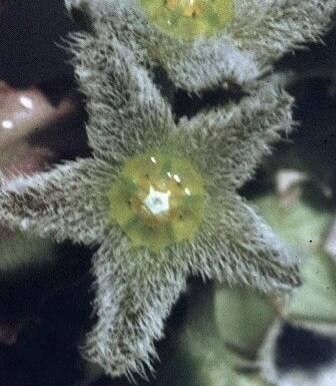
Hello there, fellow plant enthusiasts! Today, we’re diving into the wonderful world of propagating Apteranthes europaea, also known as the “Ram’s Horn” cactus. If you’ve ever admired its unique, twisted, horn-like stems and plump, beautiful flowers, you’re in for a treat. Growing new plants from your existing ones is one of the most satisfying parts of gardening, and with Apteranthes europaea, it’s a journey that’s surprisingly accessible. While it might seem a little exotic, don’t let that intimidate you; this plant is quite forgiving, making it a fantastic choice for those looking to expand their succulent collection.
The Best Time to Start
For the highest success rate with Apteranthes europaea, I always recommend spring and early summer. This is when the plant is actively growing, giving any new cuttings or divisions the best chance to establish themselves quickly. You’re essentially tapping into its natural growth spurt, which means more energy for root development. Trying to propagate when the plant is dormant in cooler months can lead to slower rooting or, sadly, rot.
Supplies You’ll Need
Gathering your tools beforehand makes the whole process go much smoother. Here’s what I always have on hand:
- Sharp, clean pruning shears or a sharp knife: Essential for making clean cuts to prevent disease.
- Well-draining potting mix: A cactus and succulent mix is ideal. You can also make your own by combining potting soil with perlite or pumice (about a 1:1 ratio).
- Small pots or seed trays: Whatever you have that’s clean and has drainage holes.
- Rooting hormone (optional but recommended): This can give your cuttings an extra boost.
- Mist sprayer: For gently watering newly planted cuttings.
- Gloves: Some succulents can have a sticky sap.
Propagation Methods
Apteranthes europaea is wonderfully versatile. The two methods I find most successful are stem cuttings and division.
1. Stem Cuttings
This is my go-to for creating new Apteranthes. It’s straightforward and often yields multiple new plants from a single parent.
- Choose a Healthy Stem: Look for a mature, healthy stem on your plant. It should be firm, not mushy or dry.
- Make the Cut: Using your sterilized pruning shears or knife, make a clean cut about 2-4 inches down from the tip of the stem. Make sure to cut between the segments if your plant has them.
- Allow it to Callus: This is a crucial step! Place the cutting in a dry, well-lit spot, away from direct sun, for several days, or even up to a week. You want the cut end to dry out and form a callus. This prevents rot when you plant it. Think of it as sealing the wound.
- Dip in Rooting Hormone (Optional): If you’re using rooting hormone, lightly dip the callused end into it.
- Plant the Cutting: Fill your small pot with your well-draining succulent mix. Make a small hole in the center. Gently insert the callused end of the stem cutting into the soil, about 1-2 inches deep. You can use a small stake or small stones to help support it if it’s wobbly.
- Water Sparingly: After planting, give it a very light watering. The soil should be barely moist, not soggy.
2. Division
If your Apteranthes europaea has started to form clumps or offsets, division is a fantastic way to get more plants.
- Gently Remove from Pot: Carefully take your parent plant out of its pot.
- Explore the Roots: Gently shake off excess soil to get a good look at the root system. You’ll be looking for distinct sections or pups that have their own root structure.
- Separate the Divisions: Using your clean knife or shears, you can carefully cut through the root ball to separate the pups from the main plant. Try to get as many roots as possible with each division. If a division doesn’t have many roots, don’t worry too much, as it will still try to grow them.
- Allow Divisions to Callus: Just like with stem cuttings, it’s important to let the cut surfaces on the divisions dry and callus over for a few days.
- Plant the Divisions: Pot each separated division in its own small pot filled with your well-draining succulent mix. Plant them at the same depth they were growing before.
- Water Lightly: Again, water very sparingly right after planting.
The “Secret Sauce” (Pro Tips)
After years of playing with succulents, I’ve learned a few tricks that really make a difference.
- The “Dry Spell” Trick: After you plant your cuttings or divisions, resist the urge to water them too much too soon. For the first week or two, a very light misting only when the soil is bone dry is usually sufficient. This encourages the plant to reach for moisture, promoting root growth. Too much water in the beginning is the quickest way to invite rot.
- Bottom Heat is Your Friend: If you can, providing a little gentle bottom heat for your cuttings can significantly speed up root development. A seedling heat mat set to a low temperature works wonders. It encourages those roots to get moving from below.
- Listen to Your Plant: Observe your cuttings. If the stems start to look shriveled and limp after a few weeks, it might be a sign they need a tiny bit more moisture. But if they look plump and are starting to lean, that’s usually a good sign they’re happy and rooting.
Aftercare & Troubleshooting
Once your Apteranthes europaea cuttings or divisions have started to root – you might see new growth or feel a slight resistance when gently tugging – they’re ready for a little more attention. Continue to water only when the soil is dry, and gradually increase the frequency as the plant grows. Treat them like your established succulents.
The most common problem you’ll encounter is rot. This usually happens from overwatering, especially before roots have formed. You’ll notice the stem turning mushy, dark, and possibly smelling unpleasant. If you see this, act quickly. You might be able to salvage a piece of the stem above the rot and try to reroot it, but often, it’s a goner.
Another sign of trouble is if your cuttings are just shriveling and drying out entirely. This can happen if they are placed in too much direct sun while trying to root, or if they aren’t getting enough moisture. Try moving them to a shadier spot and ensure the soil isn’t completely bone dry for extended periods.
Happy Growing!
Propagating Apteranthes europaea is a rewarding process that allows you to enjoy more of these fascinating plants. Be patient with your new babies, observe them closely, and celebrate every little bit of progress. Soon, you’ll have a whole herd of these beautiful Ram’s Horn succulents to admire and share! Happy gardening!
Resource:
https://identify.plantnet.org/k-world-flora/species/Apteranthes%20europaea%20(Guss.)%20Murb./data