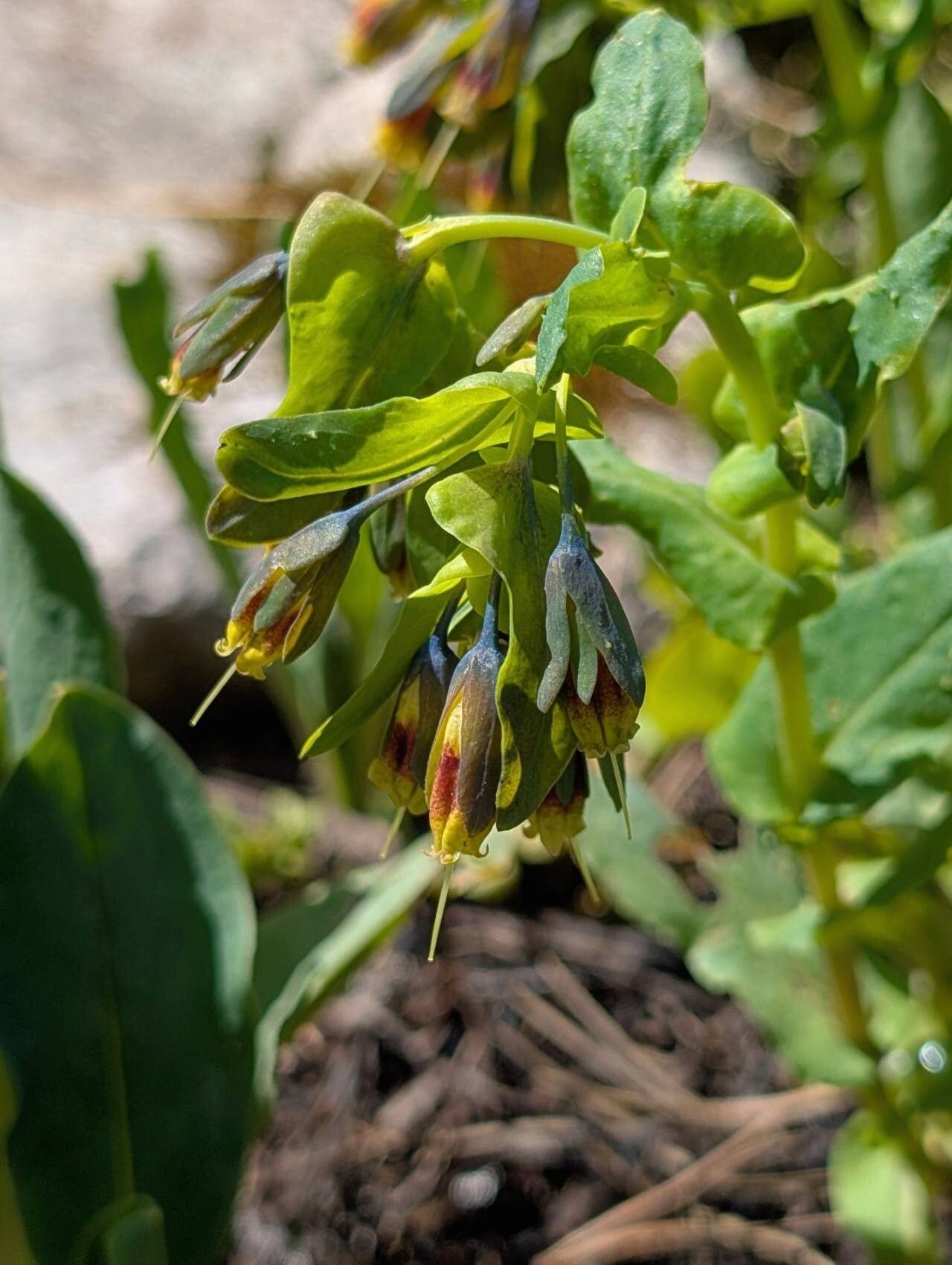
Hello fellow garden enthusiasts! It’s lovely to connect with you today. If you’re like me, you’ve probably fallen head over heels for the Cerinthe glabra, haven’t you? With its graceful, tubular blue blossoms and silvery-blue foliage, it’s a plant that truly softens a garden and brings a touch of understated elegance. And the best part? It’s surprisingly easy to share the love by propagating your own! For beginners, Cerinthe glabra is a genuinely rewarding plant to start with. You’ll be admiring new little plants before you know it.
The Best Time to Start
For the highest success rate with Cerinthe glabra, I find that spring is your best bet. As the weather warms and new growth really kicks into gear, your cuttings will have plenty of energy to put into developing roots. Aim for late spring, just after the main flush of flowering has finished. You can also have some success in early autumn, but spring propagation gives them a longer growing season to establish themselves before winter.
Supplies You’ll Need
Here’s what you’ll want to have on hand to get your propagation station set up:
- Sharp pruning shears or secateurs: Clean cuts are crucial.
- Rooting hormone (optional but helpful): A powder or gel works well.
- Well-draining potting mix: A blend of equal parts potting soil, perlite, and horticultural sand is perfect.
- Small pots or seed trays: Clean containers are a must to prevent disease.
- Watering can with a fine rose: To water gently without disturbing your cuttings.
- Plastic bags or propagation dome: To create a humid environment.
- Labels and a marker: Don’t forget to name your babies!
Propagation Methods
We’ll focus on the easiest and most reliable method for Cerinthe glabra: stem cuttings.
- Take Your Cuttings: Select healthy, non-flowering stems from a mature plant. Using your clean shears, cut sections about 4-6 inches long. Make the cut just below a leaf node (where a leaf attaches to the stem). Remove the lower leaves, leaving just a few at the top.
- Prepare the Cuttings: If you’re using rooting hormone, dip the cut end of each stem into the powder or gel. Gently tap off any excess.
- Plant Your Cuttings: Fill your pots or trays with your prepared well-draining mix. Make a small hole in the soil with your finger or a pencil, and insert the bottom of the cutting. Gently firm the soil around the stem.
- Water and Cover: Give your cuttings a gentle watering to settle the soil. Then, cover the pots with a plastic bag or a propagation dome to maintain high humidity. This is key to preventing the cuttings from drying out before they form roots. Place them in a bright spot, but out of direct sunlight.
The “Secret Sauce” (Pro Tips)
Now, for a couple of tricks I’ve learned over the years that really boost your chances:
- Don’t let the leaves touch the soil! If the lower leaves are resting on the damp potting mix, they’re far more likely to rot. Make sure any leaves you leave on the cutting are well above the soil line.
- A touch of warmth can make a big difference. If you have a sunny windowsill that gets a bit warm, that’s great. But if your propagation spot is a bit cool, consider using a heat mat placed underneath your pots. This gentle bottom heat will encourage root development much faster.
Aftercare & Troubleshooting
Once you’ve got your cuttings planted, keep the soil consistently moist but not soggy. You’ll know your cuttings have rooted when you see new growth appearing at the top or feel a slight resistance when you gently tug on the stem. This usually takes 4-8 weeks, depending on the conditions.
The most common issue you might run into is rot. If a cutting turns black and mushy, it’s usually a sign of too much moisture and not enough air circulation. In this case, unfortunately, it’s best to discard it to prevent the rot from spreading. If you see a cutting looking a bit limp even though the soil is moist, it might be drying out too quickly – make sure that humidity cover is snug!
Propagating Cerinthe glabra is a wonderful way to expand your garden and share the beauty of these enchanting flowers. Be patient with the process; nature has its own rhythm. Enjoy the anticipation and the satisfaction of growing something beautiful from a tiny piece of your favorite plant. Happy propagating!
Resource:
https://identify.plantnet.org/k-world-flora/species/Cerinthe%20glabra%20Mill./data