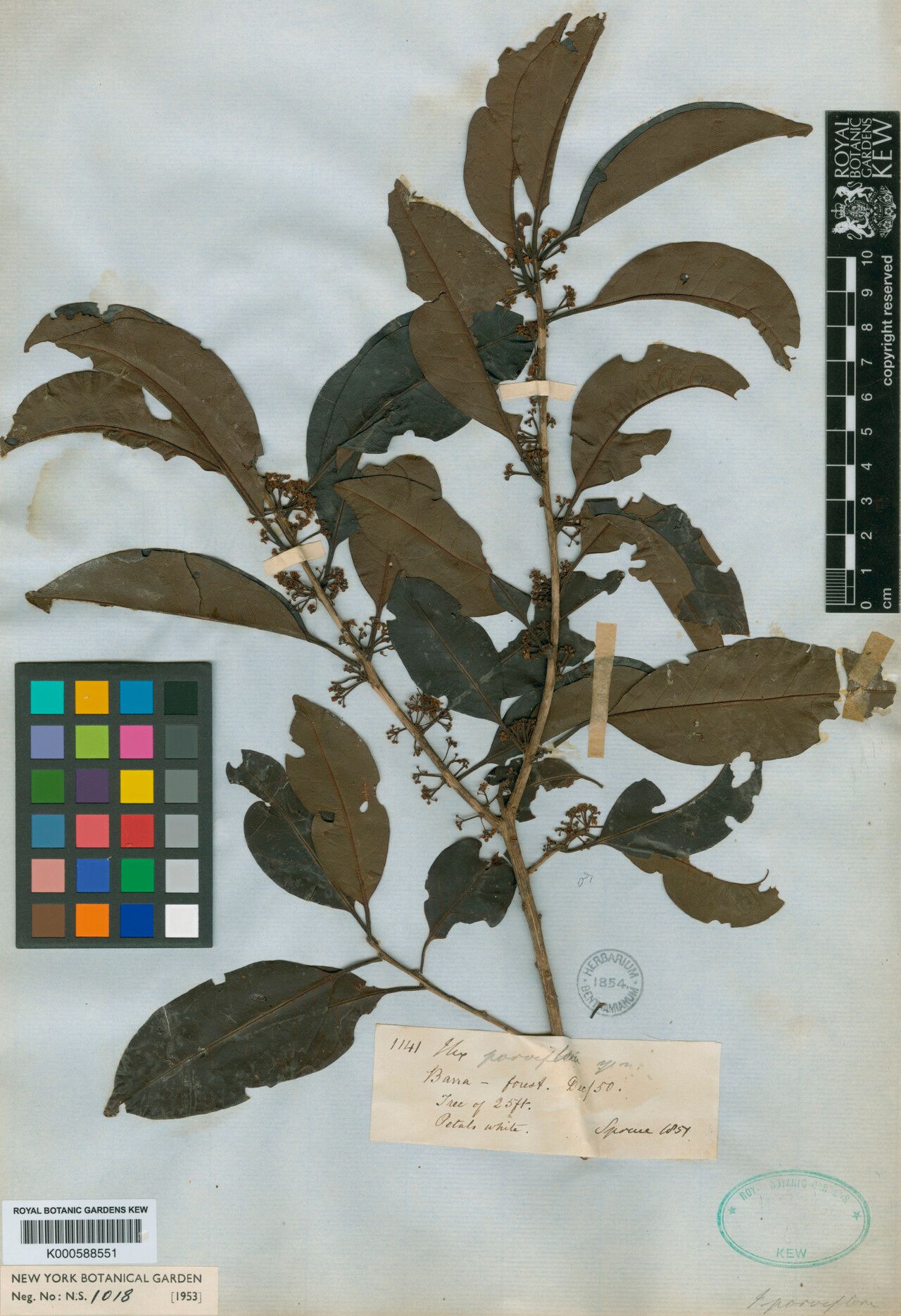
Hello, fellow plant lovers!
Isn’t the Ilex petiolaris just a stunner? I’ve always been drawn to its glossy, dark evergreen leaves and the way they catch the light. It brings such a sophisticated elegance to any garden, even in the depths of winter. And the best part? You can easily multiply this beauty yourself! Propagating Ilex petiolaris is a deeply satisfying endeavor, and while it might seem a little daunting at first glance, I promise, with a few key tips, it’s absolutely achievable. For beginners, I’d say it’s moderately easy, but definitely worth the effort.
The Best Time to Start
When it comes to Ilex petiolaris, timing is key for those robust root systems. I’ve found the absolute sweet spot to be late spring or early summer. This is when the plant is actively growing, and the new, softwood growth has just started to mature into semi-hardwood. It’s still flexible enough to root easily but has developed enough structure to hold its own. Avoid taking cuttings when the plant is stressed, like during a heatwave or when it’s just finished flowering.
Supplies You’ll Need
Here’s what you should gather before you get started. Having everything ready makes the process so much smoother!
- Sharp, clean pruning shears or a sharp knife: For making clean cuts. Contaminated tools can introduce disease.
- Small pots or propagation trays: Around 3-4 inches in size are perfect.
- Well-draining potting mix: A good blend is 50% peat moss or coco coir and 50% perlite or coarse sand.
- Rooting hormone powder or gel: This is optional but highly recommended for boosting success.
- A clear plastic bag or propagation dome: To create a humid microclimate.
- Small stakes or skewers: If you use the plastic bag method, to keep the bag from touching the leaves.
- Water mister or spray bottle: For keeping cuttings hydrated.
- Labels and a marker: To keep track of your cuttings!
Propagation Methods
I find stem cuttings to be the most reliable method for Ilex petiolaris. It’s straightforward and yields great results.
- Taking the Cuttings: Select a healthy, disease-free branch from your established plant. Look for stems that are still somewhat flexible but have lost their soft, new growth tenderness – this is that semi-hardwood stage I mentioned. Make a clean cut just below a leaf node (that little bump where a leaf emerges). You want cuttings that are about 4-6 inches long.
- Preparing the Cuttings: Gently remove the lower leaves from the cutting, leaving just a few at the very top. This prevents them from rotting when they’re in the potting mix. If the remaining leaves are large, I like to snip them in half horizontally. This reduces the amount of water they lose through transpiration.
- Applying Rooting Hormone: Dip the cut end of the stem into your rooting hormone. Tap off any excess. This step really gives your cuttings a helping hand to develop roots.
- Planting the Cuttings: Fill your small pots or trays with your prepared potting mix. Make a hole in the center of the soil with a pencil or skewer. Insert the cut end of your Ilex petiolaris cutting into the hole, ensuring the rooting hormone isn’t scraped off. Firm the soil around the stem gently.
- Creating Humidity: Water the soil thoroughly. Then, cover the pot with a clear plastic bag, securing it around the rim, or place it under a propagation dome. If you’re using a bag, I always pop a few skewers or small stakes into the soil to create a tent and keep the plastic from touching the leaves. This is crucial for preventing rot and fungal issues.
The “Secret Sauce” (Pro Tips)
Here are a couple of things I’ve learned from years in the garden that make a real difference:
- Bottom Heat is Your Friend: If you have the setup, placing your pots on a gentle heat mat makes a huge difference. Around 70-75°F (21-24°C) is ideal for stimulating root growth. It encourages those roots to form much faster and more vigorously.
- Air Circulation Indoors: Even though we want humidity, don’t let those cuttings sit in stagnant air for too long. Once a day, lift the plastic bag or ventilation dome for about 10-15 minutes to allow for some fresh air exchange. This helps prevent mold and keeps things healthy.
Aftercare & Troubleshooting
Once your cuttings are planted, find a bright spot for them, but avoid direct, intense sunlight, especially during the hottest part of the day. The dappled light under a larger tree or a bright windowsill is perfect. It’s important to keep the soil consistently moist but not waterlogged. Mist the leaves occasionally if you’re not using a dome.
You’ll know your cuttings are happy when you start to see new leaf growth, or when you gently tug on a cutting and feel a bit of resistance – that’s a sign of roots! This can take anywhere from 6 weeks to several months, so patience is key.
The most common issue you’ll encounter is rot. If you notice your cuttings turning black and mushy, it’s usually due to too much moisture and not enough air circulation. Don’t be discouraged if a few don’t make it; it’s all part of the learning process. Remove any rotting cuttings immediately to prevent them from affecting others.
A Gentle Encouragement
Taking cuttings is a wonderful way to connect with your plants and expand your garden. Watch your little Ilex petiolaris babies grow, and remember that every successful propagation is a small victory. Be patient, enjoy the process, and soon you’ll have a whole new collection of these gorgeous shrubs to admire! Happy propagating!
Resource:
https://identify.plantnet.org/k-world-flora/species/Ilex%20petiolaris%20Benth./data