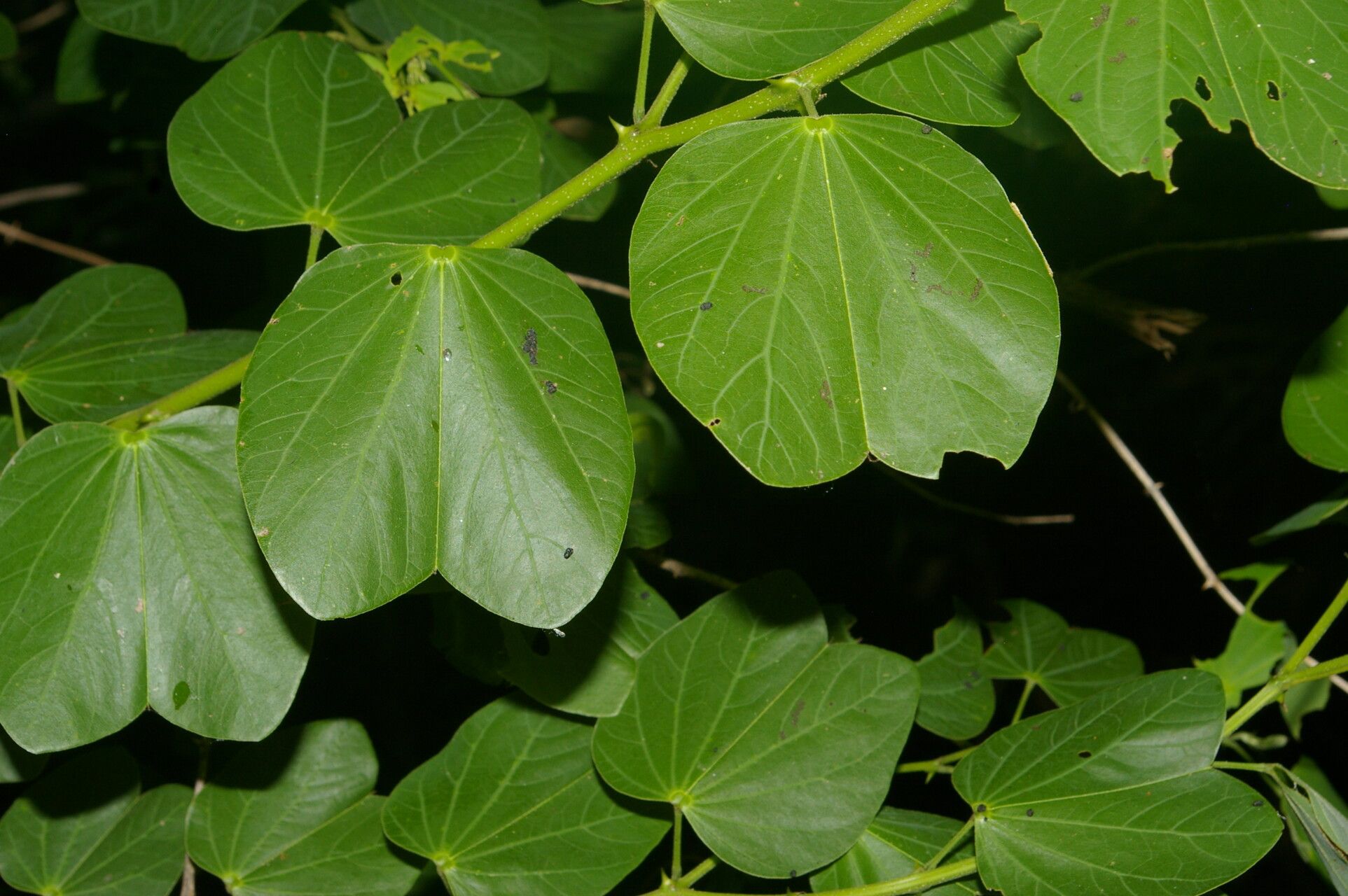
Oh, hello there! Come on in, grab a mug. Let’s chat about one of my absolute favorite plants: Bauhinia pauletia. You know, the one with those stunning, orchid-like blooms that just seem to brighten up any corner? Getting more of these beauties to grace your garden or home is a truly rewarding endeavor. It’s a wonderfully satisfying feeling to nurture a tiny snippet or a separated division into a thriving plant. For beginners, I’d say Bauhinia pauletia is moderately easy to propagate. It requires a little attention to detail, but with a few key tips, you’ll be well on your way.
The Best Time to Start
Timing is everything when it comes to coaxing new life from our plants. For Bauhinia pauletia, I’ve found the late spring to early summer is your best bet. This is when the plant is actively growing, brimming with energy. You’ll want to select new growth that’s firm but not woody – think of it as the plant’s equivalent of a teenager: full of life and ready to branch out!
Supplies You’ll Need
Gathering your tools beforehand makes the whole process much smoother. Here’s what I usually have on hand:
- Sharp pruning shears or a clean knife: For making clean cuts.
- Rooting hormone: A little boost can make a big difference. I like to have a powder or gel on hand.
- Well-draining potting mix: A commercial mix for cacti and succulents works wonderfully, or you can whip up your own with equal parts peat moss, perlite, and a bit of sand.
- Small pots or propagation trays: Clean ones are a must!
- Plastic bags or a propagator: To create a humid environment.
- Watering can with a fine rose: For gentle watering.
- Optional: Bottom heat mat: This can really speed things up, especially if your home is on the cooler side.
Propagation Methods
Bauhinia pauletia can be successfully propagated using a couple of common methods. I’m going to walk you through stem cuttings, as it’s often the most straightforward.
Stem Cuttings
- Select Your Cuttings: Head to your healthy, mature Bauhinia. Look for stems that have developed new growth but are still somewhat flexible. Aim for cuttings that are about 4-6 inches long.
- Make the Cut: Using your sterilized pruning shears or knife, make a clean cut just below a leaf node (where a leaf attaches to the stem). This is where the magic really happens, as there are concentrated growth hormones.
- Prepare the Cutting: Gently remove the lower leaves from the cutting. You want to expose a few nodes, as this is where roots will emerge. Leave just a couple of leaves at the top to help the cutting photosynthesize.
- Dip in Rooting Hormone: Moisten the cut end of the stem with a little water, then dip it generously into the rooting hormone. Tap off any excess.
- Plant Your Cuttings: Fill your small pots with your well-draining potting mix. Make a small pilot hole with your finger or a pencil. Gently insert the cutting into the hole, making sure the nodes are covered by the soil. Firm the soil gently around the base.
- Create Humidity: Water the soil lightly. Then, cover the pot with a clear plastic bag or place it in a propagator. This creates a mini-greenhouse effect, keeping the humidity high, which is crucial for cuttings to root. Make sure the leaves don’t touch the plastic if possible.
The “Secret Sauce” (Pro Tips)
Now, let’s talk about those little extra touches that can really make a difference.
- Bottom Heat is Your Friend: If you have a heat mat, place your pots on it. This gentle warmth from below mimics ideal soil temperatures and significantly speeds up root development. It’s a game-changer, especially if you’re trying this in cooler months.
- Don’t Drench, Just Damp: While humidity is essential, overwatering is the enemy. Your soil should be consistently moist, like a wrung-out sponge, not waterlogged. Too much water can lead to rot before roots even have a chance to form.
- Air Circulation Matters: Even though we’re creating a humid environment, some fresh air exchange is still important. Once a day, lift the plastic bag or open the propagator for a few minutes to allow for a bit of air circulation. This helps prevent fungal issues.
Aftercare & Troubleshooting
Once your cuttings are planted, patience is key! Keep them in a bright, indirect light location. Continue to maintain that humid environment and check the soil moisture regularly. You’ll know your cuttings are rooting when you see new leaf growth, usually appearing within 4-8 weeks.
The most common issue you might encounter is rot. If your cutting turns mushy and brown, it’s likely succumbed to rot. This almost always comes down to too much moisture and not enough air circulation. If you see this, it’s best to discard the affected cutting and reassess your watering and ventilation. If a cutting fails to root after several months, it might just not have been the right time or the cutting wasn’t quite ready. Don’t be discouraged – try again!
A Little Encouragement
So there you have it! Propagating Bauhinia pauletia is a wonderfully rewarding journey. It’s about engaging with your plants on a deeper level, understanding their needs, and celebrating each new sign of life. Be patient, observe your cuttings closely, and enjoy the process. You’ll be amazed at what you can grow! Happy gardening!
Resource:
https://identify.plantnet.org/k-world-flora/species/Bauhinia%20pauletia%20Pers./data