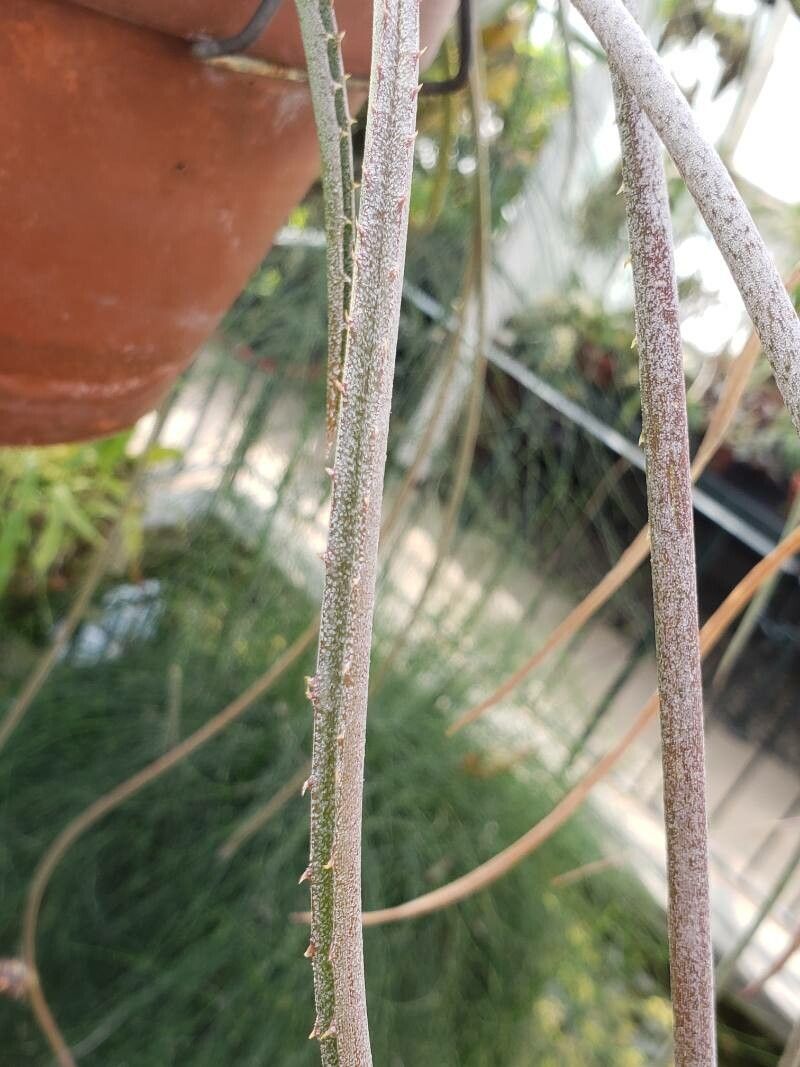
Oh, hello there! Come on in, grab a mug of your favorite brew. Today, we’re diving into the wonderful world of Acanthostachys strobilacea. If you’ve ever admired this bromeliad with its stunning, pinecone-like flower spikes and curious, tumbling habit, you’re in for a treat. Propagating it is surprisingly rewarding, and while I wouldn’t call it beginner-level easy, it’s definitely achievable with a little know-how. Think of it as a good challenge that teaches you a lot.
The Best Time to Start
My favorite time to get my hands dirty with Acanthostachys strobilacea is late spring or early summer. This is when the plant is actively growing, full of energy, and has the best chance of sending out those lovely offsets, sometimes called “pups.” You’ll see them emerge from the base of the mother plant, looking like mini versions of the real thing. Starting when the weather is warm and sunny really gives them a boost.
Supplies You’ll Need
Before we get started, let’s gather our tools. A well-prepared gardener is a successful gardener, after all!
- Sharp, clean pruning shears or a razor blade: For making clean cuts. Sterilize them with rubbing alcohol between uses to prevent disease.
- Well-draining potting mix: A mix formulated for bromeliads or cacti and succulents is perfect. I often add a good amount of perlite or orchid bark to my own blend for extra aeration.
- Small pots or trays: With drainage holes, of course!
- Rooting hormone (optional, but helpful): A powdered or liquid form can encourage faster root development.
- Spray bottle: For keeping things lightly moist.
- Gloves (optional): If you have sensitive skin or want to protect your hands.
Propagation Methods
Acanthostachys strobilacea is best propagated through division, which means separating those adorable pups from the mother plant. It’s the most reliable method.
Division (Offsetting):
- Assess the Mother Plant: Look for healthy offsets that are at least one-third the size of the parent plant. They should have their own tiny roots visible at the base.
- Gently Remove from Pot: Carefully tip the mother plant out of its pot. If it’s stuck, a gentle tap on the sides or running a knife around the edge can help.
- Identify the Connection: You’ll see where the pup is connected to the parent. Sometimes it’s a thick rhizome, other times it’s a narrower connection.
- Make the Cut: Using your sterilized pruning shears or razor blade, make a clean cut, separating the pup from the mother plant. Try to get as many roots with the pup as possible. If it’s a very small pup, you might need to be extra delicate.
- Let It Callus: This is a crucial step! Place the freshly divided pup in a dry, well-ventilated spot for a day or two. This allows the cut end to form a callus, which helps prevent rot when you plant it.
- Potting Up: Fill your small pot with your well-draining mix. Make a small hole in the center and gently plant the callused pup, firming the soil around its base. If you’re using rooting hormone, dip the callused end into it before planting.
- Initial Watering: Water very sparingly at first. You want the soil to be barely moist. A good spritz from your spray bottle is often enough. We don’t want soggy roots!
The “Secret Sauce” (Pro Tips)
Now for a few little tricks I’ve picked up over the years that really make a difference:
- Don’t Drown Your Pups! This is where many go wrong. When you first pot them, they have no established roots. Overwatering is the quickest way to invite rot. Err on the side of too dry rather than too wet. I usually don’t water again for several days after the initial planting.
- Bottom Heat is Your Friend: If you can provide a little gentle bottom heat, it can significantly speed up root development. A seedling heat mat set on a low setting works wonders. It mimics the warmth of their natural environment and encourages those roots to start exploring.
- Patience is a Virtue (and a Requirement): These guys aren’t lightning-fast propagators. It can take several weeks, sometimes even a couple of months, before you see significant new growth or feel a good tug of root development when you gently check. Resist the urge to dig them up constantly! Let them settle in.
Aftercare & Troubleshooting
Once you see signs of new growth – perhaps a new leaf unfurling or a slight resistance when you gently tug – you know roots are forming!
- Gradual Watering: Slowly increase the watering frequency as the pup establishes itself. Let the soil dry out slightly between waterings.
- Light: Place your new pups in bright, indirect light. Too much direct sun can scorch young plants.
- Signs of Trouble:
- Rot: This is the biggest culprit. If the pup feels mushy or develops black spots, it’s likely due to overwatering. Sadly, sometimes a rotted pup can’t be saved. Make sure your soil drains exceptionally well and adjust your watering schedule.
- Wilting: This can be a sign of too little water (after acclimation), or sometimes stress from the initial transplant. Ensure it’s in a spot with humidity but not excessive moisture.
A Gentle Encouragement
Propagating Acanthostachys strobilacea is a journey, not a race. Enjoy the process of nurturing these new plants. Witnessing a tiny offset develop into a thriving specimen is one of the most satisfying parts of gardening. Be patient, observe your plants, and don’t be discouraged if you have a setback. You’ve got this! Happy growing!
Resource: