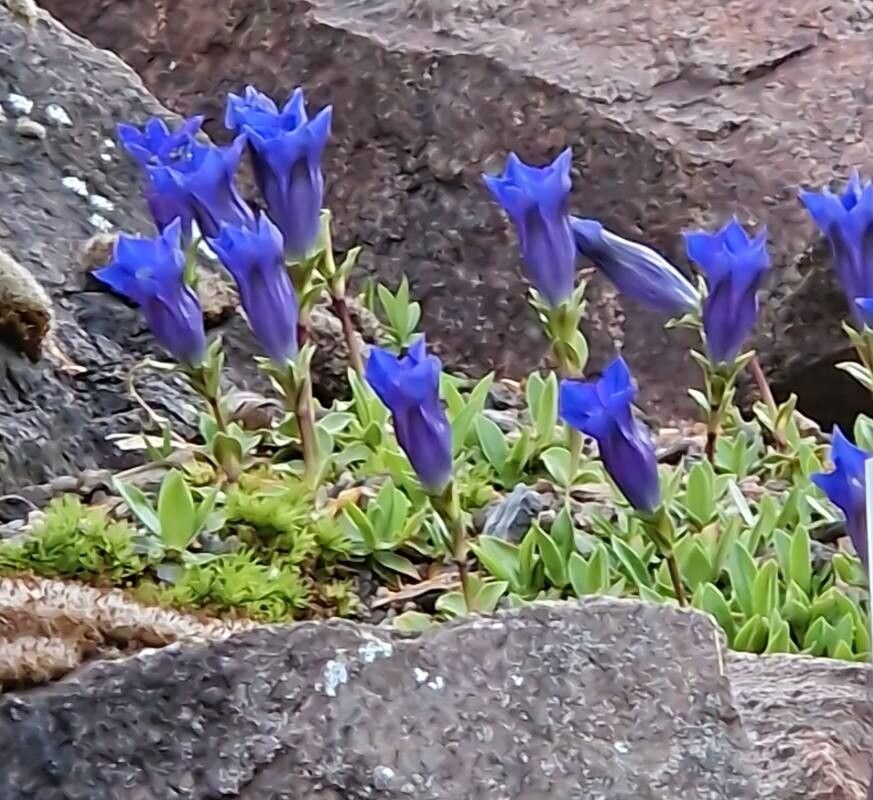
Hello fellow garden lovers! I’m so excited to chat with you today about a truly special bloom: Gentiana alpina, or Alpine Gentian. If you’ve ever admired those intense, vibrant blue trumpets gracing alpine meadows or sought-after rock gardens, you know the magic of this plant. Growing Gentiana alpina is a real joy, and propagating it yourself? That’s a whole new level of garden satisfaction.
Now, let’s be honest. Gentiana alpina isn’t always the easiest plant to get going, especially if you’re just starting out. It appreciates specific conditions and a bit of a gentle hand. But don’t let that deter you! With a little patience and the right approach, you’ll be rewarded with your own little troops of these spectacular blue beauties. It’s definitely a project for the more determined beginner, or a fun challenge for seasoned gardeners.
The Best Time to Start
For Gentiana alpina, early spring is generally your golden ticket. This is when the plant is waking up from its winter slumber, full of renewed vigor. Starting new divisions or collecting cuttings right as new growth appears gives them the best chance to establish themselves before the heat of summer really kicks in. Think of it as giving them a head start on their growing season.
Supplies You’ll Need
Alright, let’s gather our trowels and get ready. Here’s a peek at what I usually have on hand:
- Sharp, clean pruning shears or a sharp knife: For making clean cuts.
- A well-draining potting mix: I like a blend of equal parts perlite, coarse sand, and peat moss, or a good quality seedling starter mix specifically for rock garden plants. Some gardeners swear by adding a bit of grit.
- Small pots or seed trays: Clean containers are key to preventing disease.
- Rooting hormone (optional but helpful): A powdered or liquid form can give cuttings that extra boost.
- A spray bottle: For keeping things moist.
- Labels and a marker: Don’t forget to label your precious new plants!
- For division: A trowel or a sturdy garden fork.
Propagation Methods
I’ve found the most reliable ways to bring more of these blues into existence are through division and stem cuttings. Let’s break them down.
Division (My Go-To for Established Plants)
This is often the easiest and most successful method for Gentiana alpina, especially if you have a mature plant.
- Gently excavate: In early spring, before active growth really takes off, carefully dig up your established Gentiana alpina. Try to disturb the root ball as little as possible.
- Clean the roots: Gently brush away excess soil from the root ball. You want to clearly see where the natural divisions occur.
- Separate the sections: Using your hands, a trowel, or even a clean, sharp knife if the divisions are tight, carefully pull or cut the plant into smaller sections. Each section should have at least a few healthy roots and a growing point or two.
- Replant immediately: Pot each division into its own container filled with your well-draining mix. Water thoroughly.
- Provide initial shade: Keep the newly potted divisions in a shady, protected spot for the first few weeks until they show signs of settling in.
Stem Cuttings (A Bit More Finesse Required)
This method is great for increasing your numbers if you have a healthy parent plant and are willing to be a bit more hands-on.
- Take your cuttings: In late spring or early summer, when the new growth is somewhat hardened but still flexible, take cuttings. Look for healthy stems about 3-4 inches long. Use your sharp pruners to make a clean cut just below a leaf node.
- Prepare the cuttings: Remove the lower leaves, leaving just a few at the top. If you’re using rooting hormone, dip the cut end into the powder or liquid according to the product’s instructions.
- Pot them up: Fill small pots with your well-draining propagation mix. Gently insert the prepared cuttings into the mix, ensuring the leaf nodes (where you removed the leaves) are below the surface – this is where roots will form.
- Water and cover: Water gently to settle the soil around the cuttings. Then, cover the pots with a clear plastic bag or a propagation dome. This creates a humid environment. Place them in bright, indirect light.
The “Secret Sauce” (Pro Tips)
There are a few little tricks I’ve picked up over the years that really help these sensitive plants thrive during propagation.
- Don’t rush the roots on cuttings: With stem cuttings, patience is your best friend. It can take weeks, sometimes even months, for Gentiana alpina cuttings to develop a good root system. Resist the urge to tug on them to check for roots. Instead, look for new leaf growth – that’s a sure sign they’ve taken!
- The power of bottom heat (for cuttings): If you have a small seedling heat mat, gently placing your pots of cuttings on it can make a world of difference. This gentle bottom heat encourages root development without drying out the top growth. Just ensure it’s not too hot; lukewarm is perfect.
- Keep humidity steady: For cuttings, maintaining consistent humidity is crucial. If the leaves touch the inside of the plastic bag, they are more prone to fungal issues. Try to prop up the bag so it doesn’t collapse onto the foliage.
Aftercare & Troubleshooting
Once you see those tiny roots appearing on your cuttings or your divisions are looking perky, it’s time for a slightly different approach.
- Gradual acclimatization: If you had your cuttings covered, slowly start to introduce them to drier air by gradually opening the bag or dome over a week or so.
- Watering: Water when the top inch of soil feels dry. Avoid overwatering, as this is a common culprit for rot.
- Light: Continue to provide bright, indirect light. As the plants get stronger, you can gradually expose them to more direct morning sun.
- Transplanting: When the new plants have developed a decent root system and are showing good growth, you can transplant them into slightly larger pots or their final garden location. Remember to keep their soil well-drained!
Troubleshooting is part of the gardening journey! The most common issue you’ll face is rot, which usually stems from overwatering or poor drainage. If you see wilting, yellowing leaves, or mushy stems, it’s a sign something is wrong. Act quickly by checking your watering habits and ensuring excellent drainage. Sometimes, even with the best care, not every cutting or division will make it, and that’s okay!
A Encouraging Closing
So there you have it! Propagating Gentiana alpina is a journey that requires a bit of attention to detail, but the reward of seeing those mesmerizing blue blooms multiply under your care is truly phenomenal. Be patient with yourself and with the plants. Enjoy the process of nurturing these little bits of alpine magic. Happy propagating!
Resource:
https://identify.plantnet.org/k-world-flora/species/Gentiana%20alpina%20Vill./data