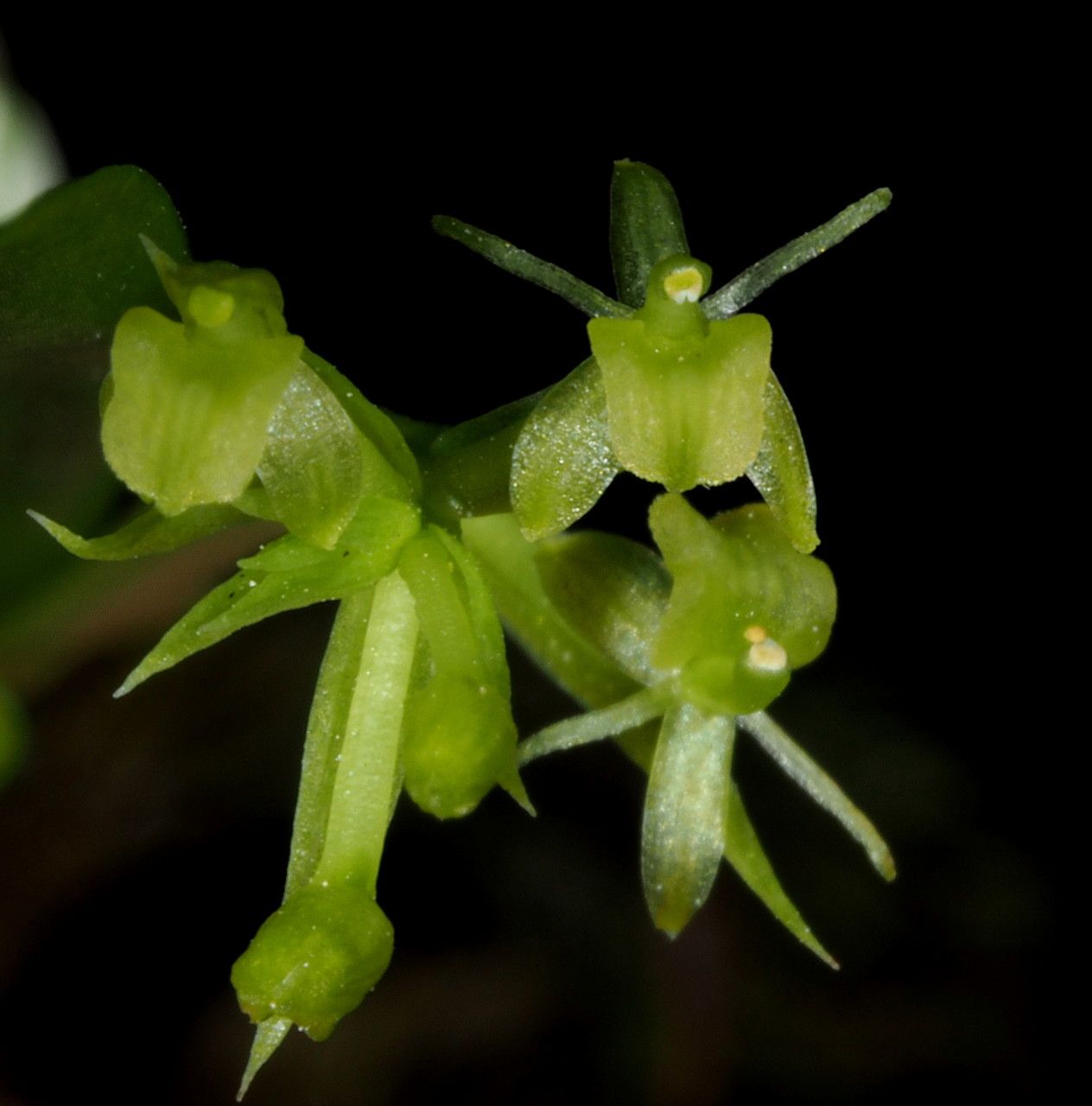
Oh, hello there! Pull up a chair, let’s have some coffee and talk about Liparis cespitosa. If you’re looking for a little green gem that brings a touch of the tropics to your indoor jungle, you’ve found it. These delightful orchids, with their delicate blooms and often subtly patterned leaves, are just lovely. And the joy of coaxing new life from an existing plant? It’s truly something special. Now, will Liparis cespitosa have you tearing your hair out? Honestly, for a beginner, it can be a little bit of a learning curve. But with a bit of patience and the right approach, you’ll be well on your way to success.
The Best Time to Start
When it comes to giving your Liparis cespitosa the best foot forward when propagating, timing is everything. I’ve found the sweet spot is usually in the late spring or early summer. This is when the plant is actively growing, energized after its rest period. You’ll see new shoots emerging and generally a robust constitution. Trying to propagate when the plant is dormant just doesn’t give it the energy it needs to get those roots going.
Supplies You’ll Need
Before we dive in, let’s make sure you’re prepped. It’s always better to have everything ready to go!
- Sharp, sterilized pruning shears or a clean knife: For making those crucial cuts.
- Well-draining potting mix: I usually go for a blend of orchid bark, perlite, and a bit of sphagnum moss. The key is air circulation. About 50% bark, 30% perlite, and 20% moss works wonders for me.
- Small pots or propagation trays: Nothing too big to start with.
- Clear plastic bags or a propagation dome: To create a humid environment.
- Rooting hormone (optional but helpful): A powder or gel can give those cuttings a nice boost.
- Watering can with a fine rose or a spray bottle: Gentle watering is key.
- Labels and a waterproof marker: You’ll thank yourself later!
Propagation Methods
Liparis cespitosa is most commonly propagated through division. This is where you gently separate sections of the plant that already have roots.
Division
This is my preferred method for Liparis cespitosa, as it’s generally quite forgiving.
- Gently unpot your mother plant. Loosen the soil around the roots carefully. You want to disturb them as little as possible.
- Inspect the root ball. Look for distinct clumps or sections of the plant where new pseudobulbs (the swollen stems) have formed and have their own set of roots.
- Carefully separate the divisions. You can often gently pull them apart with your hands. If they’re really stuck, use your sterilized pruning shears or knife to make a clean cut through the rhizome (the underground stem) and roots. Make sure each division has at least one or two healthy pseudobulbs and a good portion of roots.
- Pot each division separately. Use your well-draining potting mix in small pots. Don’t pack the soil too tightly; orchids like a bit of air around their roots.
- Water lightly. Just enough to settle the soil.
- Place in a humid environment. Cover the pot with a clear plastic bag (make sure leaves don’t touch the plastic!) or place it under a propagation dome.
- Keep in bright, indirect light. Avoid direct sun, which can scorch those tender new leaves.
The “Secret Sauce” (Pro Tips)
Here are a few little tricks I’ve picked up over the years that can make a big difference:
- Don’t overwater after division. This is huge! New divisions don’t have a large root system to absorb excess moisture, and that’s a fast track to rot. Let the potting mix dry out a bit between waterings, and always check that there’s good drainage.
- Bottom heat can be a game-changer. If you’re struggling to get roots to form, placing your pots on a gentle heating mat (specifically designed for seedlings and plant propagation) can really encourage root development. Orchids love a bit of warmth.
- Patience is your best friend. Seriously. These little guys don’t rush things. You might not see visible new growth for several weeks, or even a couple of months. That’s perfectly normal. Don’t be tempted to keep digging them up to check for roots – you’ll just stress them out!
Aftercare & Troubleshooting
Once you see signs of new growth, like a tiny new leaf emerging from a pseudobulb or fresh roots poking out the drainage holes, you know it’s working! Continue to keep them in that humid environment for a few more weeks. Gradually introduce them to typical orchid care – bright, indirect light and watering when the top layer of the mix starts to dry.
The biggest problem I see with new propagations is rot. If you notice your division turning mushy, developing dark, water-soaked spots, or looking generally unhealthy, it’s likely due to too much moisture or poor air circulation. If you catch it early, you might be able to trim away the rotten parts with your sterilized tool and repot into fresh, dry mix, but often, it’s a sign that things have gone too far.
A Encouraging Closing
So there you have it! Propagating Liparis cespitosa might take a little patience, but the reward of nurturing a new plant from an existing one is incredibly fulfilling. Be kind to yourself, observe your plant closely, and most importantly, enjoy the process. Happy growing!
Resource:
https://identify.plantnet.org/k-world-flora/species/Liparis%20cespitosa%20(Lam.)%20Lindl./data