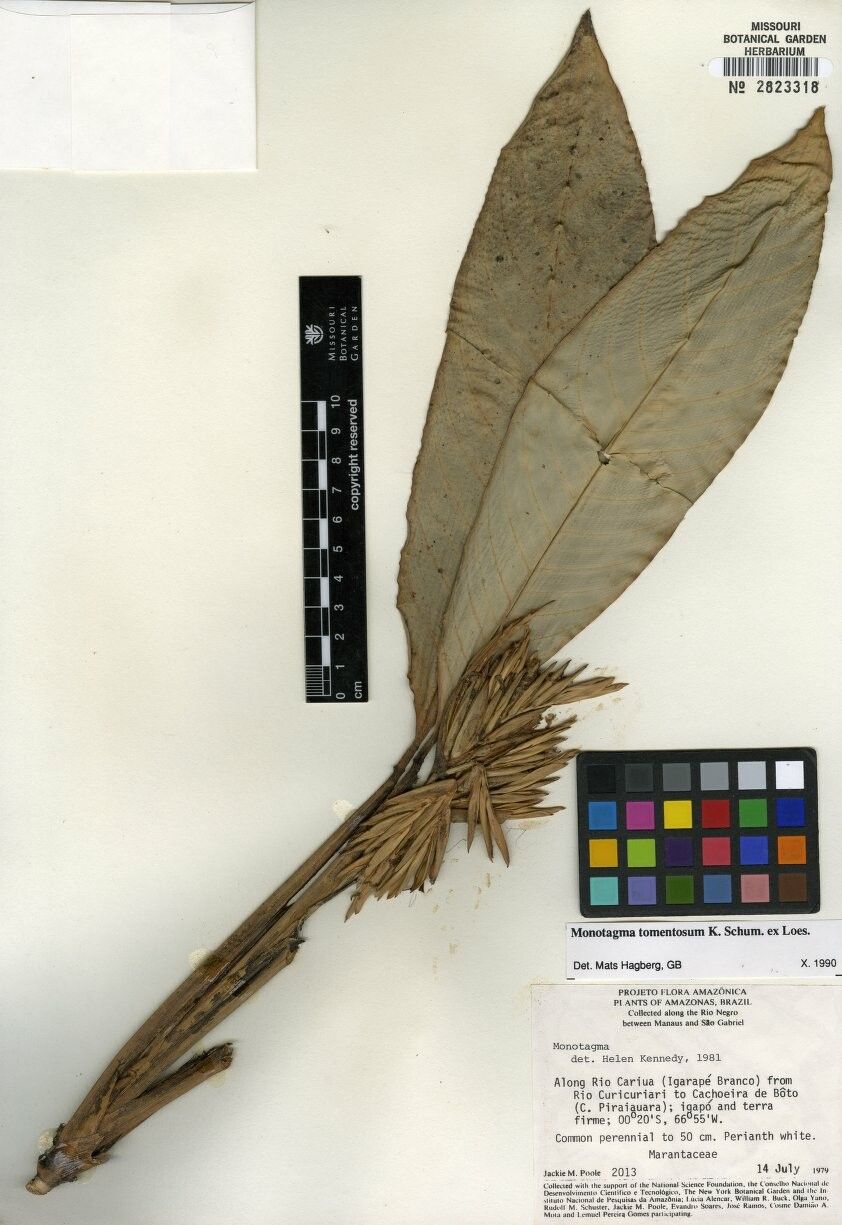
Hello there, fellow plant lovers! Today, we’re diving into the wonderful world of Monotagma tomentosum. If you’ve ever admired its lush, velvety foliage and wondered how to get more of these beauties for your own space, you’re in the right place. Propagating Monotagma tomentosum is a truly rewarding experience. Seeing a tiny piece of a plant transform into its own thriving individual is pure magic. And the good news? For those of you just starting out, it’s quite a forgiving plant to learn with. Don’t be intimidated at all!
The Best Time to Start
When it comes to propagating Monotagma tomentosum, spring and early summer are your best friends. This is when the plant is actively growing and has the energy to put forth new roots. You’ll want to take cuttings from healthy, vigorous stems that aren’t flowering. Think of it like giving your plant a little haircut during its prime – it encourages new growth and gives you those perfect snippets for propagation!
Supplies You’ll Need
Before we get our hands dirty, let’s make sure we have our supplies ready. A little preparation goes a long way!
- Sharp Pruning Shears or a Clean Knife: For taking clean cuts.
- Rooting Hormone (Optional but Recommended): Helps speed up the rooting process.
- Well-Draining Potting Mix: A mix of peat moss, perlite, and a bit of compost works wonderfully. You could even use a specialized succulent or cactus mix.
- Small Pots or Seedling Trays: With drainage holes, of course!
- Watering Can or Spray Bottle: For gentle watering.
- Clear Plastic Bag or Dome: To create a mini-greenhouse effect.
- Chopsticks or a Pencil: For making planting holes.
Propagation Methods
There are a couple of tried-and-true ways to multiply your Monotagma tomentosum. I find stem cuttings to be the most reliable.
Stem Cuttings
This is my go-to method for Monotagma. Here’s how I do it:
- Select Your Stem: Look for a healthy, non-flowering stem. You want a piece that’s about 4-6 inches long.
- Make the Cut: Using your sharp shears or knife, make a clean cut just below a leaf node (where the leaf meets the stem). This is where the magic happens, as root development is often stimulated from these points.
- Prepare the Cutting: Gently remove the lower leaves from the cutting, leaving only a few at the top. This prevents them from rotting in the soil. If you’re using rooting hormone, dip the cut end into it now, tapping off any excess.
- Plant Your Cuttings: Make a hole in your prepared potting mix with a chopstick or pencil. Then, gently insert the cutting into the hole, ensuring the leaf nodes are under the soil surface. Firm the soil gently around the base.
- Water and Cover: Water lightly to settle the soil. Then, cover the pot with a clear plastic bag or dome. This keeps humidity high, which your cuttings will love.
Water Propagation (Less Common for This Plant, but Possible)
While I prefer soil, some people have success with water. If you try this:
- Prepare the Cutting: Follow steps 1 and 2 above for preparing your stem cutting.
- Place in Water: Place the cutting in a jar or glass of clean water, ensuring no leaves are submerged.
- Change Water Regularly: Change the water every few days to keep it fresh and prevent bacterial growth.
- Wait for Roots: You should see tiny white roots emerge from the leaf nodes after a few weeks. Once the roots are about an inch long, you can carefully transplant them into potting mix.
The “Secret Sauce” (Pro Tips)
Here are a couple of things I’ve learned over the years that really make a difference:
- Give Them a Warm Base: Monotagma roots develop much faster with a little warmth. If you can, place your pots on a heat mat designed for seedlings. Even a sunny windowsill that gets warm in the afternoon can help. You’ll notice a significant speed-up in root formation.
- Don’t Over-Water Initially: While we want high humidity, the cuttings themselves should be kept moderately moist, not soggy. Overwatering at this stage is the quickest way to invite rot. Let the surface of the soil dry slightly between waterings.
Aftercare & Troubleshooting
Once your cuttings have visibly grown and perhaps even a gentle tug reveals some resistance, you know roots are forming!
- Gradual Acclimatization: Slowly remove the plastic bag or dome over a few days. This helps the new plant adjust to normal humidity levels.
- Continue Watering: Water when the top inch of soil feels dry. Your new Monotagma will appreciate consistent moisture but still, no soggy feet!
- Watch for Rot: The biggest enemy here is root rot. If your cutting turns mushy or black at the base, it’s likely rotted. Unfortunately, there’s usually no coming back from that. This is why clean cuts, well-draining soil, and avoiding overwatering are so crucial. If you see signs of rot, try to remove the affected part immediately.
A Little Patience Goes a Long Way
Propagating plants is a journey, not a race. Some cuttings will root quickly, while others might take their sweet time. Don’t get discouraged if not every attempt is a complete success. Be patient, observe your cuttings, and celebrate each little victory. Enjoy the process, and soon you’ll have a whole collection of your beloved Monotagma tomentosum to share or simply enjoy yourself! Happy growing!
Resource: